

 GMA Brandtalk
 Tracking
 Archives

SC junks petition to disclose Senate draft report on flood control probe
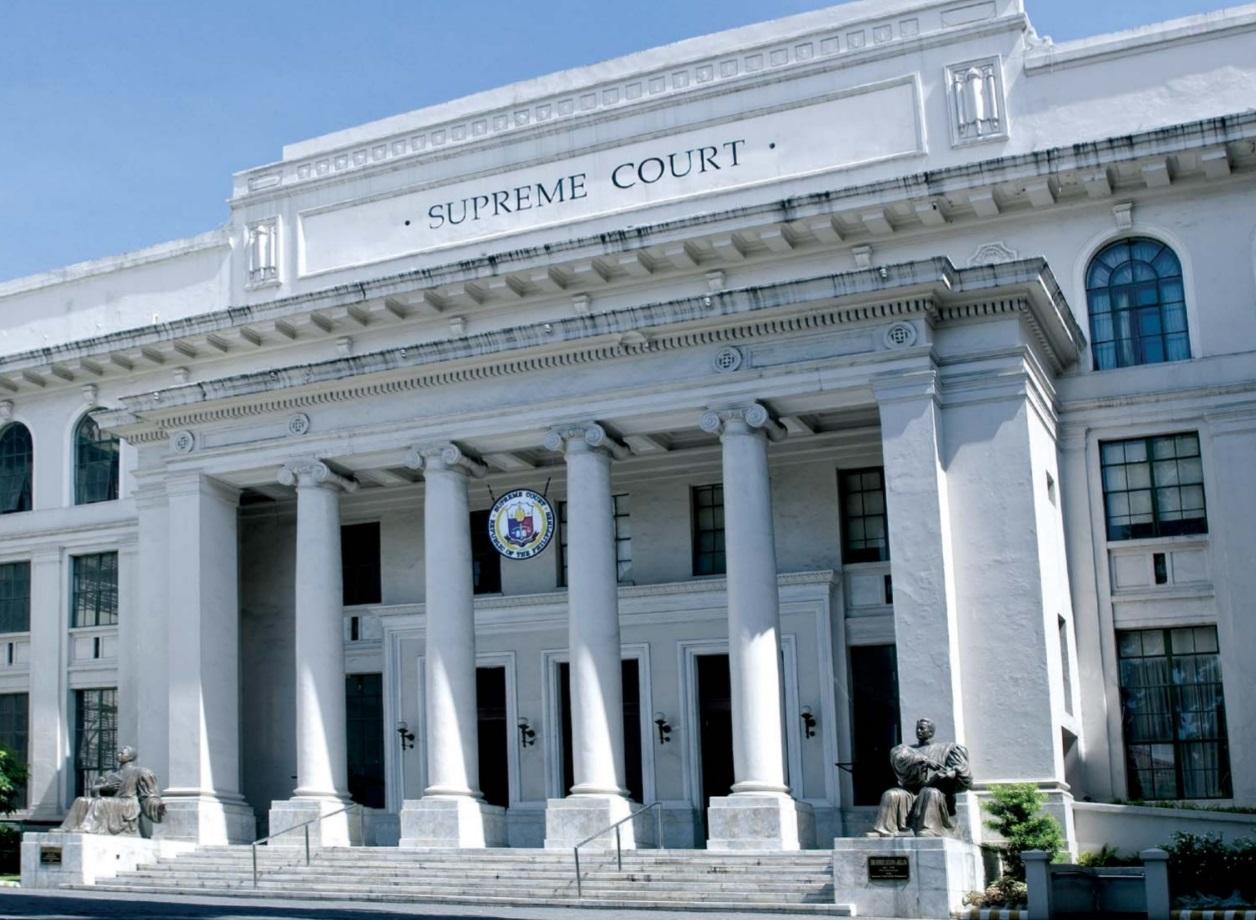
The Supreme Court (SC) En Banc on Wednesday dismissed a petition seeking to compel the Senate Blue Ribbon Committee to disclose the draft report on its investigation into alleged anomalies in flood control projects.
In a statement, the SC said that a petition for mandamus may be used only to compel a public official or body to perform a ministerial duty clearly required by law that involves no discretion.
“In this case, the SC found no constitutional or legal obligation for the Committee to release an unfinished draft report,” it said in a statement.
The SC said that a draft report only becomes part of the official Senate record once it is finalized, approved by the Committee, and submitted to the plenary.
It said that mandamus cannot be used to compel the disclosure of an unfinished draft report as no law requires the committee to release it.
The case stemmed from the petition filed by lawyers Eldrige Marvin Aceron, Sikini Labastilla, and Purificacion Bartolome-Bernabe in March 2026.
They argued that it was important to track any changes between the original draft and the subsequent version of the report.
Senator Panfilo Lacson previously said the draft report recommends the filing of criminal and administrative charges against Senators Joel Villanueva, Jinggoy Estrada, and Chiz Escudero, former senator Bong Revilla, former Ako Bicol Party-List representative Zaldy Co, and former Caloocan representative Mitch Cajayon-Uy.
Meanwhile, the SC rejected the petitioner’s claim that the committee’s refusal to release the draft report violated their right to information.
According to the High Court, the right is not absolute and is subject to recognized limitations, including a deliberative process privilege.
“This privilege protects internal discussions while a decision is still being made, allowing officials to freely exchange views without the risk that preliminary or tentative positions will be mistaken for final decisions,” it said.
Citing the constitutional principle of separation of powers, the SC also said that courts generally cannot interfere with matters that fall within the legislature’s discretion or with the internal procedures of Congress as long as these are within constitutional limits.—AOL, GMA News

