

 GMA Brandtalk
 Tracking
 Archives

EXPLAINER: What to do after wading through floodwaters?
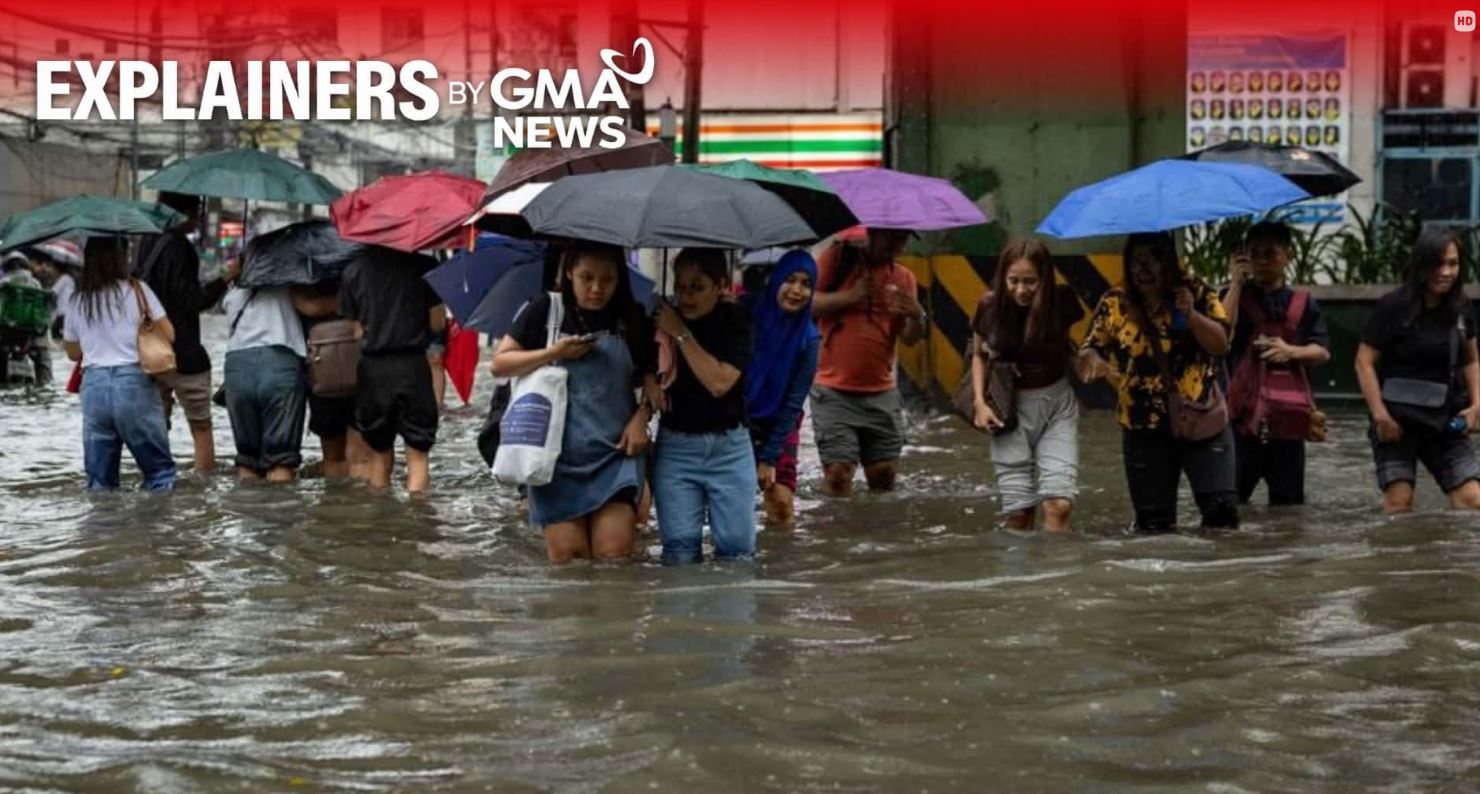
Several parts of Luzon reported shallow to deep flooding following continuous heavy rains due to the Southwest Monsoon or Habagat.
In some areas, floodwaters rose rapidly, forcing residents and even commuters to wade through dangerous waters.
With the country officially entering the rainy season, the Department of Health (DOH) has repeatedly issued warnings about the risks of contracting leptospirosis from contaminated water, particularly floodwaters.
Leptospirosis is a bacterial infection caused by the Leptospira bacteria, which spreads through the urine of infected animals—most commonly rats.
According to the DOH, individuals usually contract the infection by wading through or being submerged in contaminated floodwaters, especially if they have open cuts or wounds.
The disease can also be transmitted by consuming contaminated food or water, or when contaminated liquids splash into the eyes, nose, or mouth.
What should one do after exposure to floodwaters? The DOH advises taking the following precautions immediately:
Wash the entire body thoroughly with clean water and soap.
Wear protective rubber boots and cover any open wounds with waterproof bandages before going outdoors.
Consult a healthcare provider at the nearest health center for proper medical advice.
“Magpakonsulta muna sa health center, dahil kailangan ng reseta ng doktor upang makakuha ng gamot para sa leptospirosis,” the DOH reminded the public.
(Please consult a health center first, as a doctor's prescription is required to get preventive medication for leptospirosis.)
As a primary rule, the DOH urges the public to avoid wading through floodwaters whenever possible.
The DOH said if left untreated, leptospirosis can cause severe damage to the kidneys, brain, and liver. If a fever lasts for two or more days, individuals are strongly advised to seek medical attention right away.—LDF, GMA News

