

 GMA Brandtalk
 Tracking
 Archives

We Were Meant to Grow Things: Why 100 Million Coconut Trees Could Change the Story of the Philippines
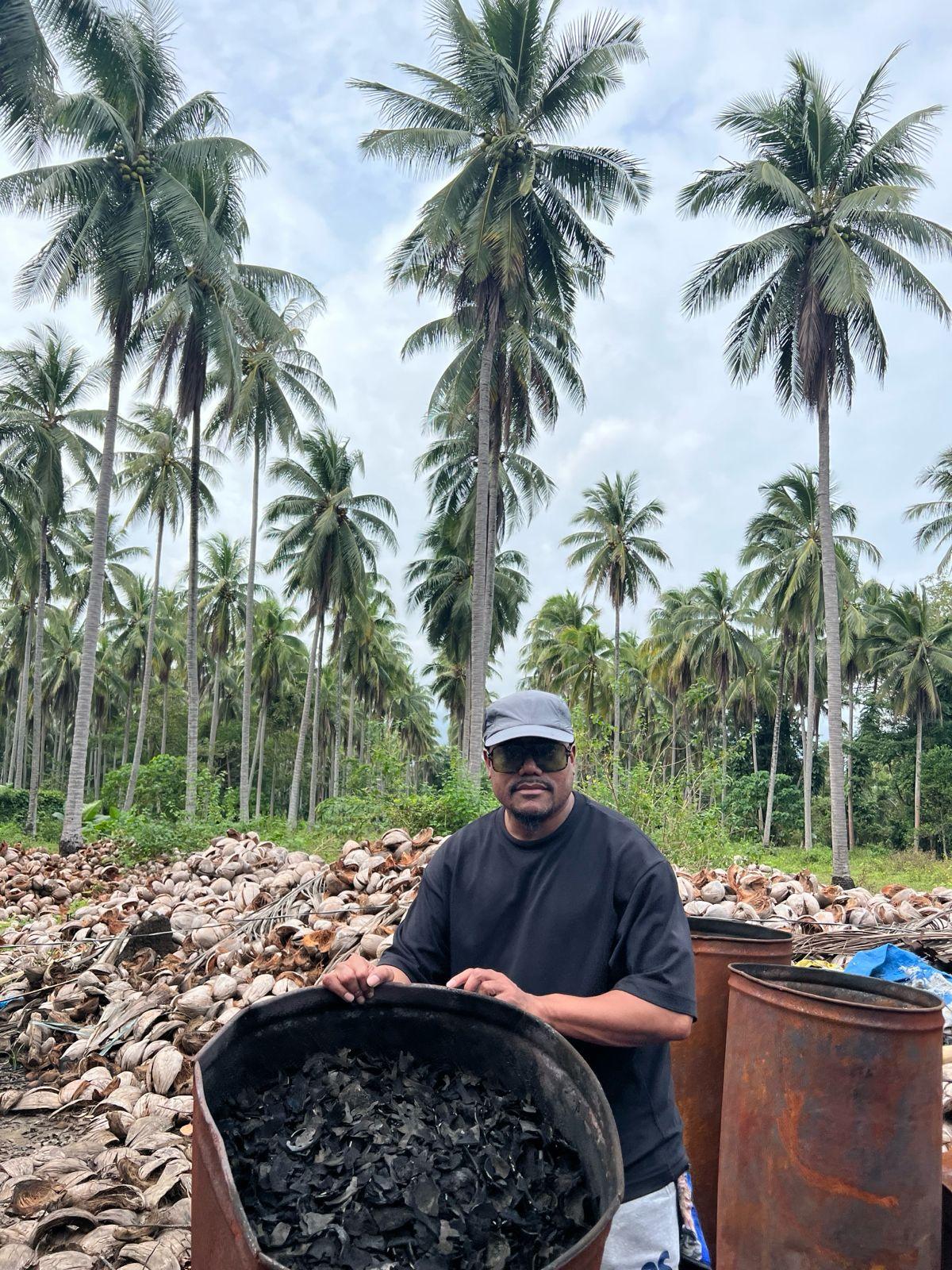
The first tree I ever really knew wasn’t even a coconut. It was a mango tree in Pampanga, right outside my Lola’s house. I didn’t care about the fruit yet — I remember the shade. I remember how it cooled the afternoon and made everything still. That tree didn’t just grow there. It belonged there. And so did we.
In the Philippines, trees aren’t just background. They hold memory. They hold life. So when people ask me why I’m part of planting 100 million coconut trees, I don’t throw numbers or climate stats at them. I talk about that feeling of belonging. Because when we plant something, we don’t just heal the land—we begin to heal ourselves.
We’re at a turning point right now. The storms hit harder. The land’s tired. So many of our farmers grow old with little to show. And the young? They’re leaving. Looking for opportunity, often finding loneliness instead. They’re moving to smaller places and selling their lands to miners who rip out its soul and leave it to rot. This isn’t home to them; this isn’t their country. But I’ve seen the brilliance of our people. I’ve seen what happens when you give the soil a chance to breathe again.
Coconuts aren’t new to us. They’re part of who we are. We’re one of the biggest coconut producers in the world, yet our farmers remain among the poorest. We used to unquestionably be the largest. It’s not because the coconut has no value—it’s because we haven’t owned that value. We’ve let it slip away.
Many of our trees are too old. Yields are down. And if we don’t act, we’ll lose more than income — we’ll lose a legacy. This isn’t just about export or profit. It’s about the livelihood of millions of coconut farmers who continue to make less with each passing storm.
So yes — we’re planting 100 million coconut trees. That sounds big, but it starts small. Barren land given a new lease at life. A farmer getting another chance.
The coconut is a survivor. It grows where little else will. It holds the soil together. Its leaves give shade, its fruit gives food, and its husk and oil power industries. In a world that’s heating up, the coconut is both symbol and solution.
And now, it gives us something else: a new kind of fruit.
See, as these trees grow, they pull carbon out of the air. That has real value now — value the world is willing to pay for. We call these Civil Fruits. You might know them as carbon credits, but we don’t see them as abstract numbers. To us, they’re like coconuts. Grown. Measured. Traded. Not as charity, but as proof of care — for land, for people, for the planet.
Civil Fruits could one day help pay for schools, build livelihoods, and support long-term care for the earth. All by valuing what farmers and communities already know how to do.
This isn’t just a climate solution. It’s a justice movement.
Too often, outsiders show up with big promises, take what they want, and leave broken trust behind. We’ve seen that story. This time, we’re writing our own.
This movement is rooted in Indigenous landowners, in women who know when the rain is late, in farmers who stayed when it would’ve been easier to go. Their knowledge isn’t decoration—it’s the foundation.
And we’re building. Right now. Slowly, but with purpose. Communities are stepping up. Partnerships are forming. And people are starting to believe: this time, it can be different. It can be right.
And for me? I’m an emcee, a dreamer, a seed. A kid from the province who believed. I built classrooms. Built sound. Built crew. Now I’m building a forest — and asking for your help, too. — GMA Integrated News

