

 GMA Brandtalk
 Tracking
 Archives

Filming the displaced
I was sixteen when my mother stood at our doorway and said goodbye.
She was leaving our home—leaving me—to work as a nanny in the Middle East, trading the warmth of her own family for the uncertain promise of economic survival. I remember the way she held me, the tremor in her voice, the courage it took to walk into a life shaped by sacrifice. That moment was my first lesson in displacement: how love can remain rooted even when the person who carries it must cross oceans to survive.
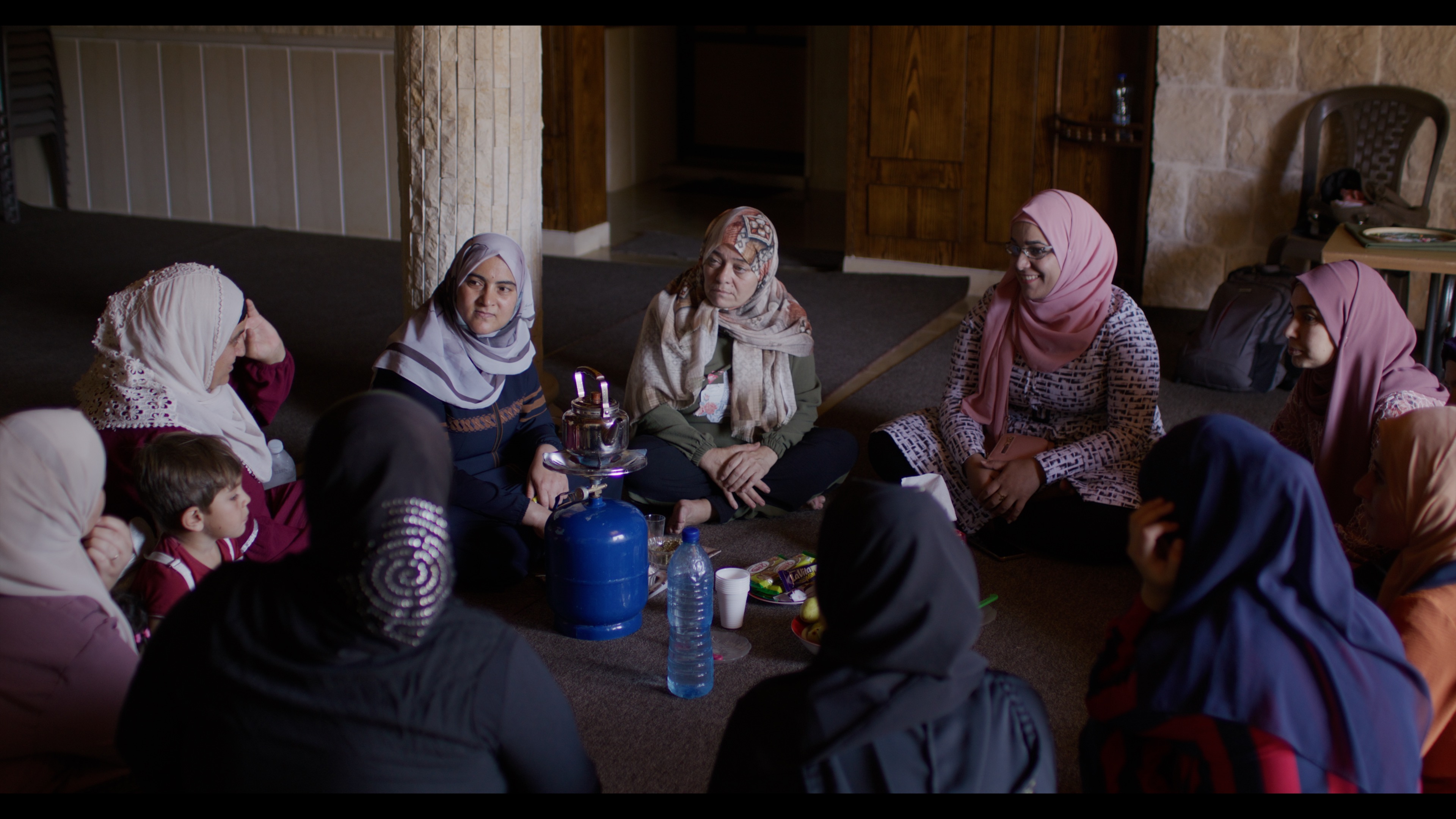
Decades later, I found myself in a refugee settlement in Lebanon, sitting with a Syrian mother who had lost far more than distance. Her husband and son were taken by war. Her home was reduced to dust. She fled with her daughter, joining over 43 million refugees worldwide, part of the 114 million people forcibly displaced—the highest number ever recorded. As she spoke, I felt the echo of my mother’s story, but magnified through unimaginable loss.
Listening to her, I understood something I had not fully grasped before: life is breathtakingly volatile, and human dignity can be stripped away in a matter of hours.
Across the world, millions endure what she did—families uprooted with no warning, women facing heightened risks of exploitation and early marriage, children torn from education, and refugees denied the right to work, to move freely, or even to feel safe.
Human rights, which we often speak of as universal, are anything but guaranteed. In many places, they dissolve under the weight of conflict, poverty, and political decisions. According to global human rights monitors, over 70% of refugees live in countries that restrict their right to work, trapping families in cycles of dependence and vulnerability. For women, the barriers are even higher.
And yet, in the same moment that I witnessed this Syrian mother’s grief, I also witnessed the opposite: the indomitability of the human spirit. A strength that refuses to be extinguished, even when the world turns its gaze elsewhere.
My mother’s journey taught me what it means to leave home; the women I meet in refugee settlements teach me what it means to rebuild one. Their resilience—quiet, steadfast, often invisible to the world—has become the compass that guides my filmmaking.
This is why I devote my craft to magnifying the voices of the displaced. Because their stories are more than accounts of suffering—they are testimonies of courage. They remind us that behind every statistic is a life interrupted, a family uprooted, a future rewritten, and a human being who deserves to be seen.
Behind the camera, I learn to listen with more than my ears. I listen with the patience of someone who understands that every story carries a weight that cannot be hurried. Filming becomes a kind of witnessing—an intimate agreement to honor the full breadth of someone’s humanity, not only their suffering. The world moves quickly, eager to forget the displaced once headlines fade.
But stories slow time. They ask us to linger. They turn statistics back into people.
And this is why storytelling matters. It magnifies voices that history tries to bury. It keeps alive the truths that borders, governments, and conflicts attempt to silence. A story can hold a life steady for just long enough that someone, somewhere, begins to care. In this way, every film becomes a small act of defiance, a refusal to allow anyone to disappear into the margins.
The more I film, the more I understand that human rights are not guaranteed by law alone—they survive through our collective willingness to witness, remember, and respond. And so I return to the field again and again, camera in hand, heart open, not because I believe my work will fix the world, but because I know it can keep a light on the places where the world most often turns away.
In a world overwhelmed by numbers and headlines, storytelling becomes a form of resistance—a way to honor dignity, restore visibility, and insist that no one is forgotten.
And so I continue this work, camera in hand, heart open— Because if a story can open even a small doorway into empathy, then it can also open the possibility of change.
Arjay Arellano is a Washington, DC–based Filipino documentary filmmaker whose work centers on migration, displacement, and human resilience. Through independent filmmaking and working with international NGOS and civil society organizations, he is dedicated to using storytelling to amplify the voices of marginalized and uprooted communities around the world.

