

 GMA Brandtalk
 Tracking
 Archives

OPINION: On the frontline for humanity
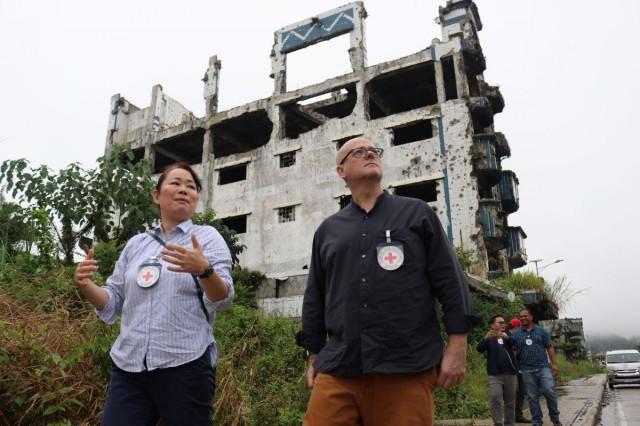
War is a persistent reality and a nightmare for those directly affected. In Marawi City, ravaged by conflict in 2017, there are roughly 300 graves of people who remain unidentified. When I visited Maqbara cemetery in Marawi last year, I met a handful of mothers, wives and sisters of people who went missing in the conflict. Many of them lived outside the city, so this was only the first or second time they had been able to make the trip. They deeply appreciated being there even though they were uncertain about the fate of their sons, husbands and brothers. The thought alone of being possibly in the same place as them was overwhelming. That day in Maqbara was raw, emotional and unforgettable.
Over the last 20 years while working for the International Committee of the Red Cross (ICRC), I have been to conflict-affected places such as Sri Lanka, Afghanistan, Yemen, Iraq, Sudan, and recently, the Philippines. People often ask me how one responds to such overwhelming needs when you know your action equates to a drop in the ocean. Where does one even begin?
The answer is simple, but not easy. The ICRC accepts the reality that wars happen—what is unacceptable is waging wars without limits. We are on the frontline with our partners in the Red Cross and Red Crescent Movement because we insist on helping the displaced, the wounded and sick, and the detained. We are guided by principles of humanity, impartiality and neutrality—these are the very foundation of our identity and our ability to operate.
Because of this, we are able to gain the trust of warring sides as we remind them that they must respect the rules of war in order to protect civilians. This enables us to help affected people, treat the wounded and sick, and visit detainees regardless of which side they’re on.
It was in the aftermath of World War II or nearly 80 years ago when the ICRC first started visiting prisoners of war and civilian internees in the Philippines. Our operations have evolved to focus on the impact of decades of internal armed conflicts.
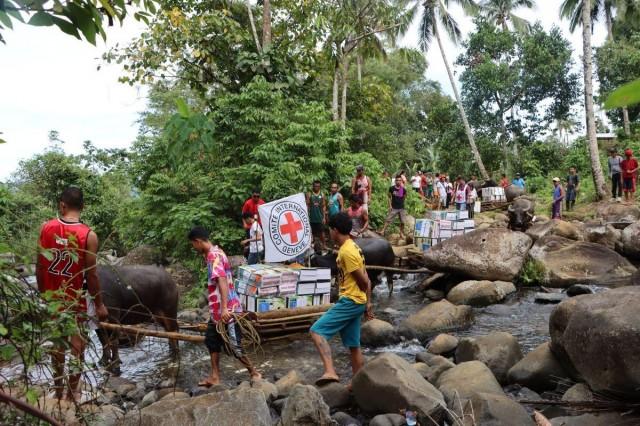
But why remain in the Philippines when the conflicts, especially in Mindanao, have vastly decreased? The short answer to this point is that the ICRC also works in countries where conflict is winding down but where pockets of clashes and consequences linger. With our partner, the Philippine Red Cross (PRC), we help people in difficult-to-reach areas to regain a normal life by restoring their livelihoods and access to healthcare and clean water.
My mission here has allowed me to see the humanitarian cost of long-running conflicts. In parts of Mindanao and Visayas, I have met people from geographically isolated and disadvantaged areas forced to flee their homes, coping in makeshift shelters without access to necessities or to reliable sources of income.
In Marawi, hundreds of families have been living in transitional shelters and have yet to rebuild their homes and lives. Meanwhile, families of the missing face systemic challenges to access social benefits and property rights on top of the psychological impact of not having answers. They have been living in limbo for nine years.
But there is hope. National, regional and local authorities amongst others, are listening to the humanitarian concerns we keep raising and are willing to collaborate with us to find sustainable solutions. These solutions don’t come in an instant, but willingness is key to progress.
We have seen recent positive developments. A technical working group was established by the Lanao del Sur provincial government which will focus on identifying around 300 missing people and supporting their loved ones during this process. Additionally, a fatwa (religious ruling) issued by the Bangsamoro Darul-Ifta provides the necessary religious dispensation to proceed with exhumations for the specific purpose of identification, ensuring the process remains respectful of Islamic law.
These developments, coupled with continuing mobilization of government agencies to address the legal and administrative hurdles faced by families of the missing, bring promise. If authorities and other stakeholders sustain this momentum, we may soon see families obtain clarity about the fate of their missing loved ones and gain access to the benefits one so often takes for granted. After almost a decade, it may be within our grasp to see the resolution of the Marawi missing cases.
Because of the destructive nature of war, we also promote and encourage those involved in fighting to integrate respect for the laws of war into their planning, actions and legal framework. International humanitarian law (IHL), after all, plays a critical role in alleviating suffering and preserving pathways to peace. If the Philippines invests in IHL and makes it truly felt on the ground, it invests in peace.
My mission in the Philippines ends today, May 8, when we commemorate World Red Cross and Red Crescent Day and honor the dedication and commitment of Red Cross and Red Crescent staff and volunteers.
With the PRC, we will continue to reach people affected by complex emergencies throughout the country. In conflicts, disasters, pandemic—the PRC has been our active partner along with other humanitarian agencies in addressing various needs.
As I conclude this rewarding mission, I wish to take this opportunity to express gratefulness for all those who have stepped up to help and advocate for and alleviate the difficulties faced by conflict-affected people over the past years. However, this is not the moment to stop and pat ourselves on the back. As long as mothers don’t know where their sons are, as long as there are people trapped by the consequences of war, we still have work to do.
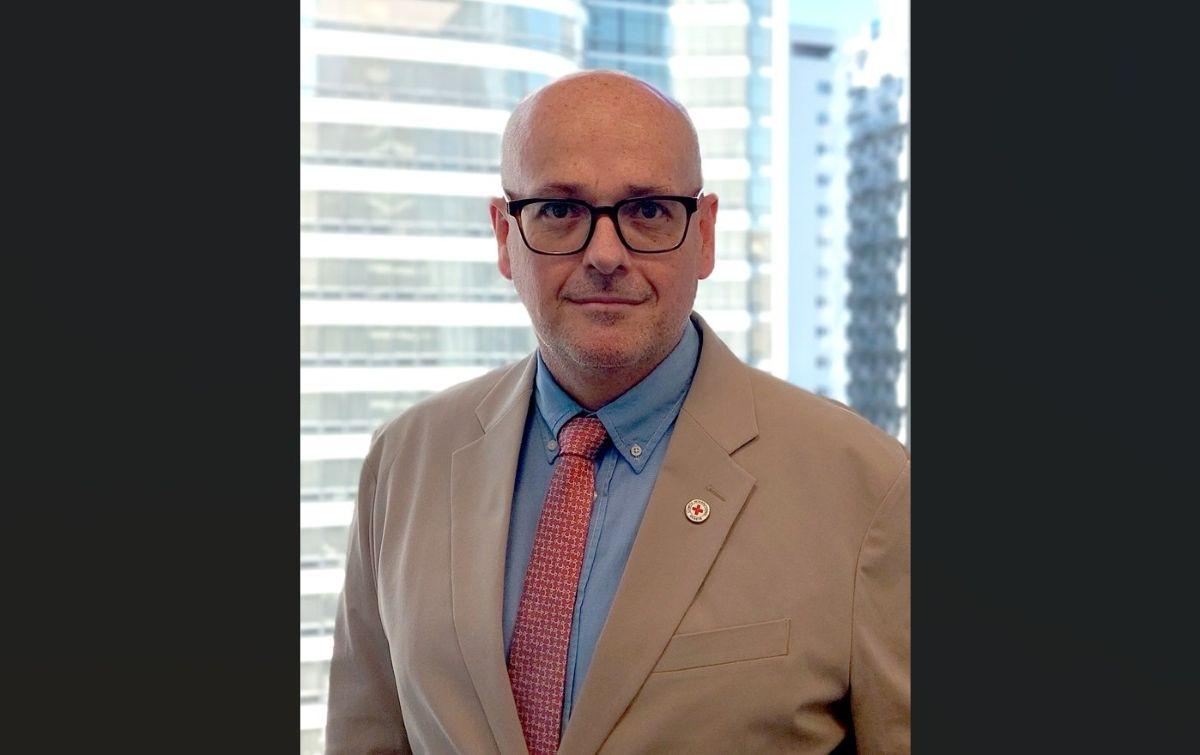
Johannes Bruwer is the outgoing head of delegation of ICRC in the Philippines. He is headed next to Afghanistan where he will lead the ICRC delegation.

