GMA Brandtalk
 Tracking
 Archives

Cordillera rice terraces back in UNESCO heritage list
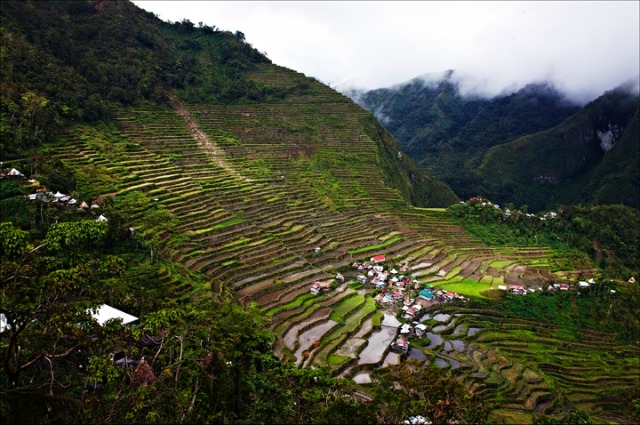
The rice terraces in the Cordillera region are no longer in the United Nations Educational, Scientific and Cultural Organization (UNESCO) List of World Heritage Sites in Danger, a decade after the famous tourist attraction was included in the list as a result of deterioration. During the 36th session of the World Heritage Committee on Tuesday in St. Petersburg, Russia, the rice terraces were reinstated in the UNESCO World Heritage List by a committee composed of 21 state parties to the World Heritage Convention, according to a statement from the UNESCO National Commission of the Philippines. “It is indeed a great honor for our country to have the international community recognize our efforts in ensuring the conservation of the rice terraces,” said Virginia A. Miralao, Secretary-General of the UNESCO National Commission of the Philippines. The international committee arrived at the decision after the successful site restoration and conservation, as well as planning and proper management, of the rice terraces. According to UNESCO, the Philippines reached the minimum restoration percentage of 50 percent of collapsed terraces, rehabilitated major irrigation systems, finished the required documentation, and developed community-based land and zoning plans. Located in the Cordillera mountain range in North Central Luzon, the rice terraces were inscribed in the UNESCO World Heritage List in 1995 as an “extraordinary example of an evolved, living cultural landscape.” The Igorot people carved the terraces along steep mountainsides over hundreds of years, and the tradition has been retained until now.