

 GMA Brandtalk
 Tracking
 Archives

Visita Iglesia 2025: 7 must-visit churches in Pampanga
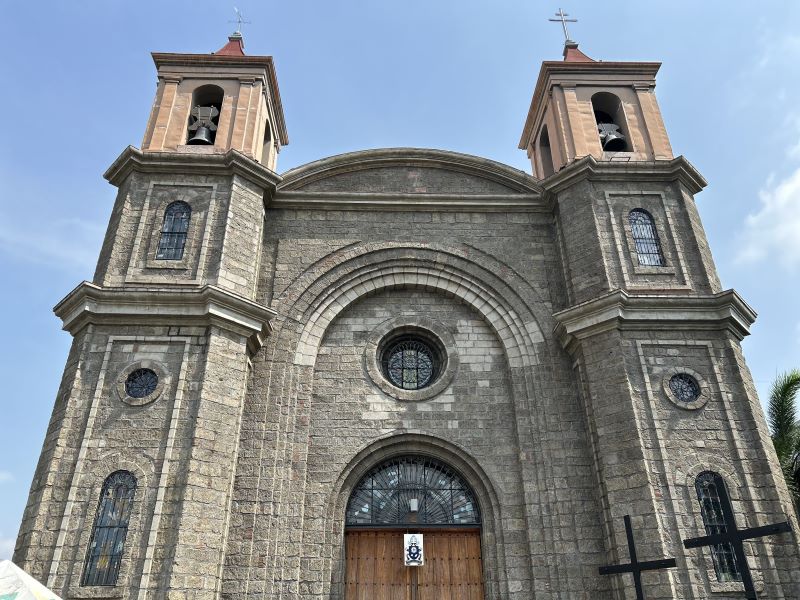
During Holy Week, many Filipino Catholics observe the Visita Iglesia, a sacred tradition of visiting seven churches to reflect on the Passion of Christ.
In Pampanga, the tradition of Visita Iglesia holds significance, as the province is home to some of the oldest and most beautiful churches in the Philippines.
Many of these churches are also closely tied to the region’s history, particularly the devastation brought by the Mt. Pinatubo eruption in 1991. The resilience of Pampanga’s churches, some of which were buried or damaged by ash and lava, is a powerful symbol of the strength of faith in the face of calamity.
If you’re planning to join the tradition in Pampanga, here are seven churches you shouldn’t miss for your Visita Iglesia:
San Guillermo Parish Church
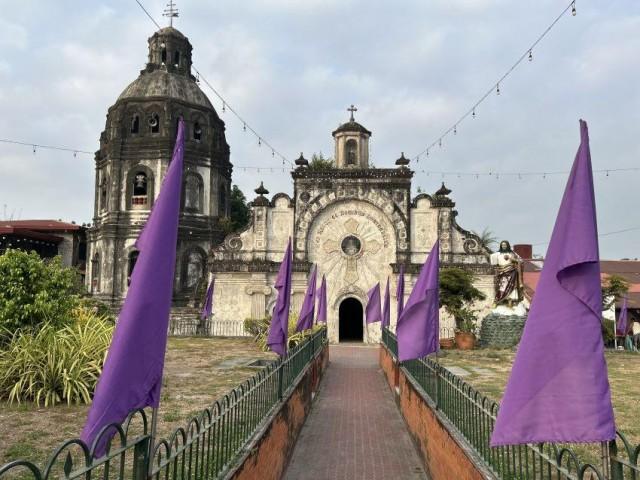
Located in Bacolor, Pampanga, the San Guillermo Parish is known for its beautiful altar and rich history. Partially submerged following the Mt. Pinatubo eruption in 1991, the church carries a unique story of faith and survival. Built in 1576 by the Augustinian friars on land owned by Don Guillermo Manabat, a wealthy landlord believed to be Bacolor’s founder, it has long been a spiritual destination. Today, its preserved interiors continue to draw both local and international visitors.
Metropolitan Cathedral of San Fernando
Located in the heart of the city of San Fernando, along Consunji Street, Barangay Santo Rosario (Poblacion), this grand cathedral is a historic and spiritual landmark built in 1755. Its beautiful neoclassical architecture and serene atmosphere make it a perfect stop for prayer and reflection during Holy Week.
St. Peter the Apostle Parish in Apalit
Famous for its stunning facade and deep history of devotion, this Neo-Renaissance church in Apalit was established as a separate parish from Calumpit in 1597, with Fr. Pedro de Vergara as its first priest. On June 28, 1844, Don Pedro Armayan Espíritu initiated the traditional Libad fluvial procession in honor of St. Peter. A significant milestone was reached in 2017 when a relic containing a fragment of St. Peter’s bones was enthroned in the parish—the only one outside of St. Peter’s Basilica in Rome to have such a relic.
St. James the Apostle Parish Church
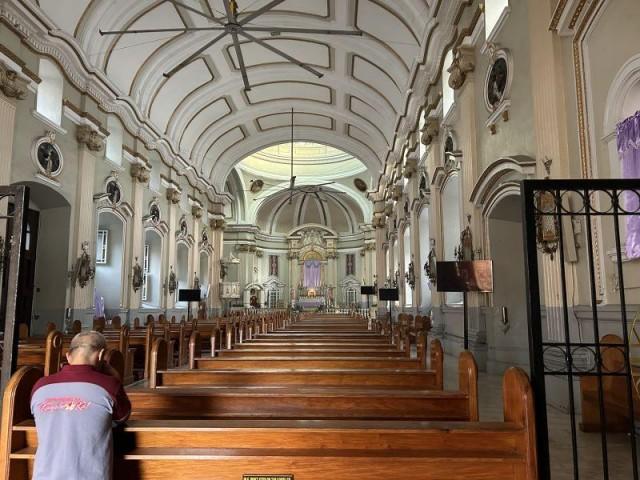
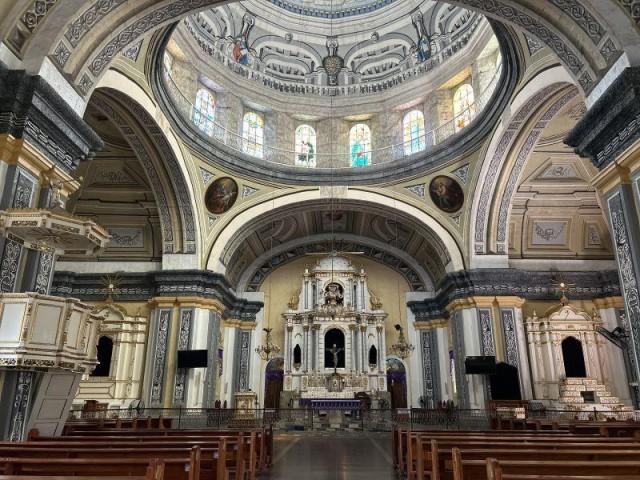
Popularly known as Betis Church, this Baroque-style church in Guagua, Pampanga, dates back to the 1660s. It stands as a prominent landmark in the town, renowned for its breathtaking interiors—earning it the nickname “Sistine Chapel of the Philippines.” It has often been compared to the Sistine Chapel in Rome because of its stunning ceiling paintings, and it has been declared a National Cultural Treasure by the National Museum of the Philippines. Aside from its remarkable ceiling, Betis Church is also known for its grand and towering retablo (altarpiece), which stands at about 20 feet high and is believed to have been crafted back in the 16th or 17th century.
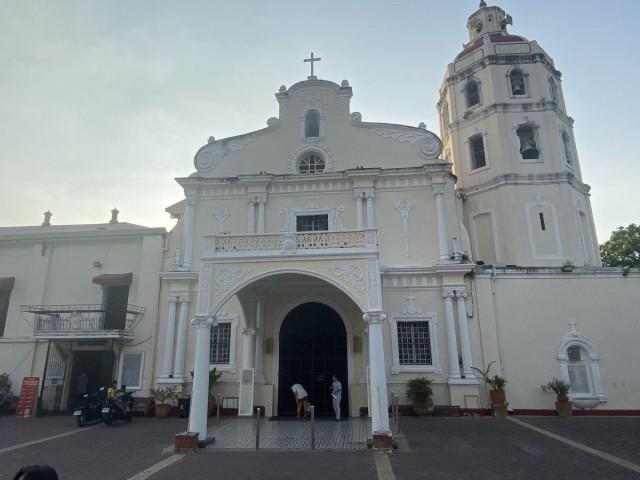
Apung Macalulu Shrine
A symbol of the Kapampangan people’s deep devotion, this shrine honors Apung Macalulu, or “Merciful Lord”—a revered image of Christ. Located in Lourdes Sur, Angeles City, and fondly known as “Apu Church,” it traces its devotion to Fr. Macario Paras was the parish priest of Holy Rosary Parish from 1829 to 1842. He introduced the image of the Sto. Entierro, believed to be sculpted by an artist named Buenaventura. Originally venerated at his family home in old Talimundoc (now Lourdes Sur), the image was donated to the parish in 1872.
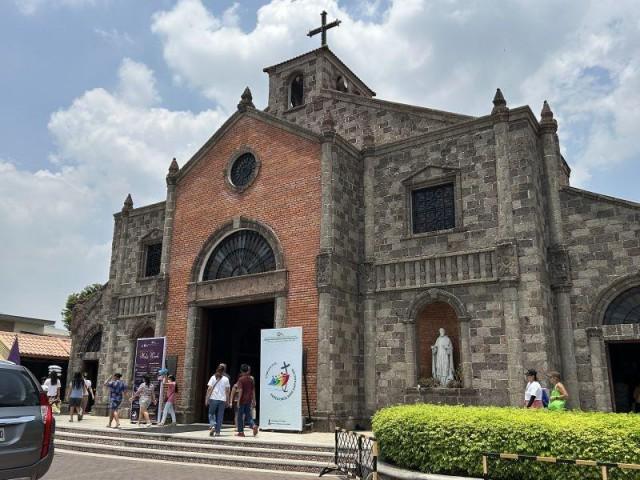
Holy Rosary Parish Church
Also known as Pisamban Maragul, meaning “big church” in Kapampangan, this church is a beloved spiritual center in Angeles City. Established in 1877 and formerly called Santo Rosario Church, it remains an active hub of prayer and community gatherings. The church was among the many structures affected by the 6.1 magnitude earthquake that hit Luzon on April 22, 2019, but it continues to serve as a pillar of faith and resilience.
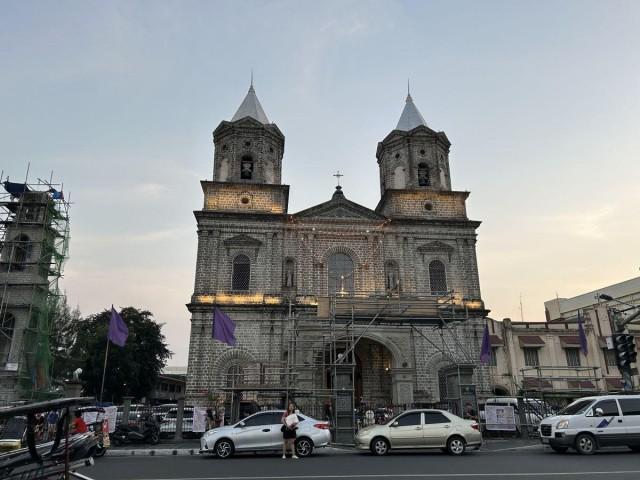
St. Catherine of Alexandria Parish
In the town of Porac, the Santa Catalina de Alexandria Parish Church offers timeless architectural beauty and a serene space for quiet reflection. Also known as Saint Catherine of Alexandria Parish Church, this Renaissance-style Roman Catholic church is under the patronage of St. Catherine of Alexandria—endearingly called Apung Tali by locals. The name is derived from Apu, a Kapampangan term of respect for elders or important figures, and Catalina, the Kapampangan translation of Catherine.
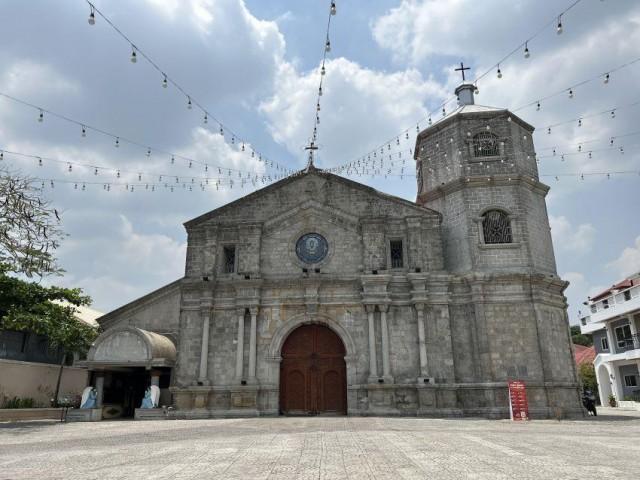
Holy Week is a period of reverence and spiritual renewal, commemorating the final days of Jesus Christ’s earthly ministry, which culminated in His crucifixion and resurrection.
Rituals like Visita Iglesia invite believers to pause, reflect, and walk with Christ through prayer and sacrifice.
As you visit each church, may you find not only beautiful architecture and history, but also peace, hope, and a deeper connection to your faith. — VBL, GMA Integrated News

