

 GMA Brandtalk
 Tracking
 Archives

PHIVOLCS recommends 5-meter zone of avoidance from Bogo Bay Fault
The Philippine Institute of Volcanology and Seismology (PHIVOLCS) on Monday recommended a five-meter zone of avoidance from the trace of the Bogo Bay Fault that generated the magnitude 6.9 earthquake in Bogo City, Cebu last September 30.
“PHIVOLCS recommends a 5-meter zone of avoidance from the trace of the fault or edge of deformation zone,” the agency said in a Facebook post.
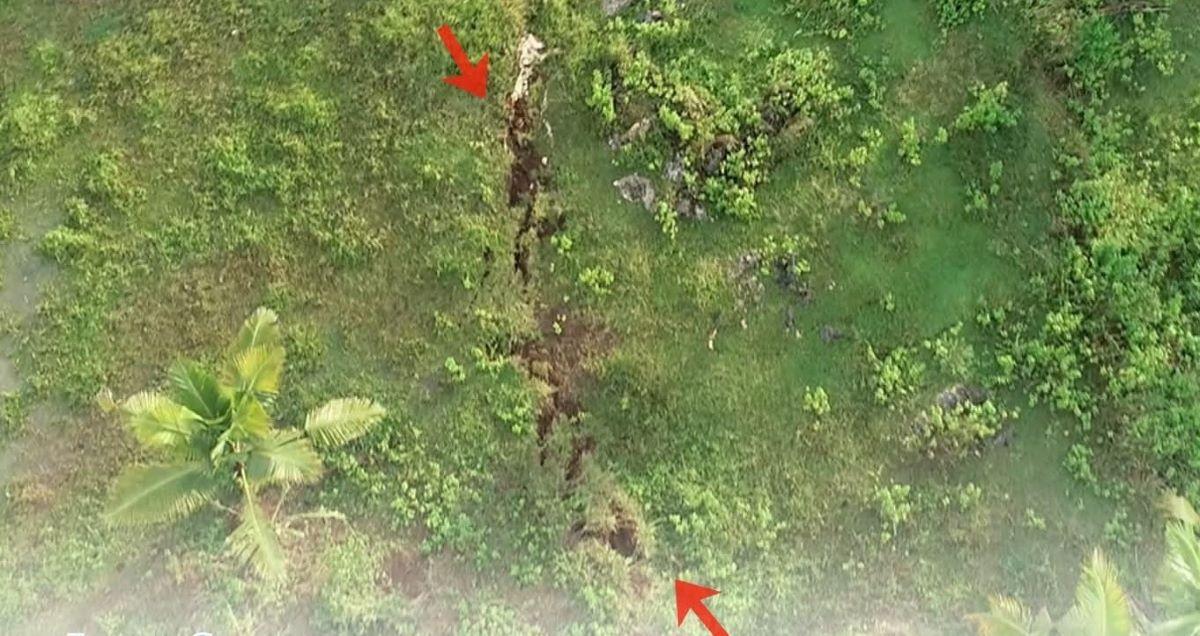
On October 3, PHIVOLCS spotted the fault that caused the devastating earthquake, which has been named Bogo Bay Fault.
"PHIVOLCS Quick Response Team found the onland extension of the newly-named Bogo Bay Fault, which caused the Magnitude 6.9 Offshore Northern Cebu Earthquake on September 30, 2025," the agency said.
According to PHIVOLCS, the fault was located in Sitio Looc in Barangay Nailon.
The experts observed fault scarps, open cracks, and small pressure mounds within a 2-meter-wide deformation zone in the area.
"Initial field mapping recorded about 200 meters of surface rupture, while drone surveys revealed the fault may extend up to 1.5 kilometers, showing signs of right-lateral movement," PHIVOLCS said.
"Field verification is ongoing to determine the full extent of the rupture," it added.
As of 8 a.m., PHIVOLCS has recorded a total of 7,027 aftershocks ranging up to magnitude 5.1.
The reported death toll due to the earthquake was 72, according to the National Disaster Risk Reduction and Management Council (NDRRMC) on Monday. —KG, GMA Integrated News

