

 GMA Brandtalk
 Tracking
 Archives

GenSan to develop Japanese bunkers to attract tourists
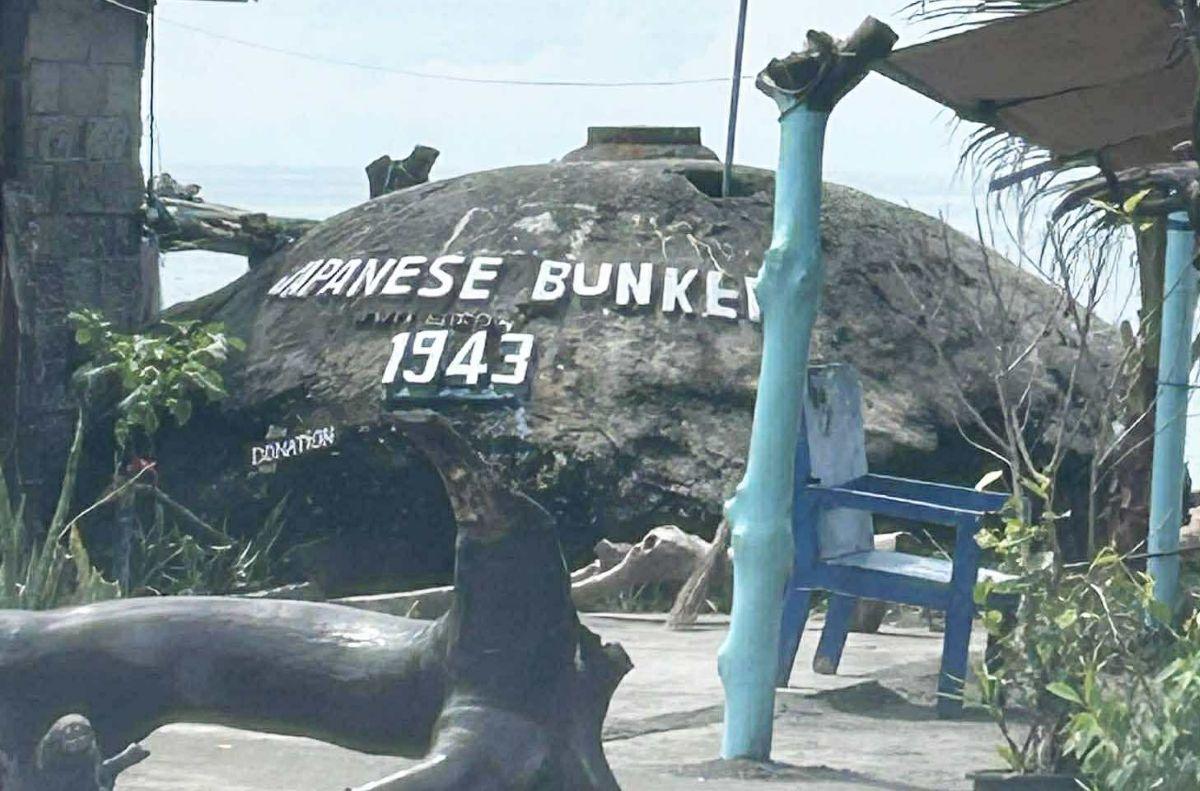
The City Tourism Office of General Santos City is planning to develop more than 40 Japanese bunkers built during World War II as additional tourist attractions in the city.
One of these bunkers was built in 1943 along the coastline of Barangay Bula. The interior is cool, and the surroundings can be seen through small openings that resemble windows. The space is also enough to accommodate more than 10 people inside.
“Actually kini balay ni sauna unya 2018 gi-preserve sa tourism gi-cutting among balay bale duha ka balay makita lang ang bunker,” Barangay Bula Tourism Committee President, Eleazar Sabalones, said.
This bunker is part of the 44 Japanese bunkers in the city that are maintained and open to the public.
Other bunkers are located in Barangays San Isidro, Mabuhay, and other areas. A tunnel-type bunker in Barangay Ligaya is reportedly the largest and is believed to have served as the “mother camp” for Japanese troops during the war.
“Tunnel ang iyang bangag ani niya Y gyud ni siya. Sa una kanang usahay kanang tubig makankan man gyud ang yuta. Naa siya formation kanang yuta murag gihimo nila kanang kama-kama. Akung nadunggan sa una mao gyud ni siya kampo sa head sa Yamashita sa Hapones sauna,” property owner, Boyet Dante Chu, said.
According to the City Tourism Office, these bunkers were built as part of a defense system by the Japanese troops against possible attacks by American forces during the war.
“Ang plan man gud before sa katung sa pagbalik ni General Douglas Mc Arthur supposedly mu-enter sila sa Sarangani Bay so that’s why natiktikan by intelligence nalaman ng Japan. They position, nag set up sila ng defense system, so that’s why nag build sila sa mga different areas ng Japanese bunker,” City Tourism Office Supervising Tourism Operations Officer, Eliodoro Alcaya Jr., said.
The local government is planning to develop these bunkers as tourist attractions.
“We are still on the talks sa mga private owners on how to make it or seguro i-develop siya. Na-declare naman siya as cultural heritage property ng GenSan. yun din yung pinaghawakan naming na policy para ma develop ang mga Japanese bunker,” Alcaya added. —GMA Regional TV

