

 GMA Brandtalk
 Tracking
 Archives

Diocese of San Carlos to unveil zero-tolerance policy vs abuses by clergy, church workers
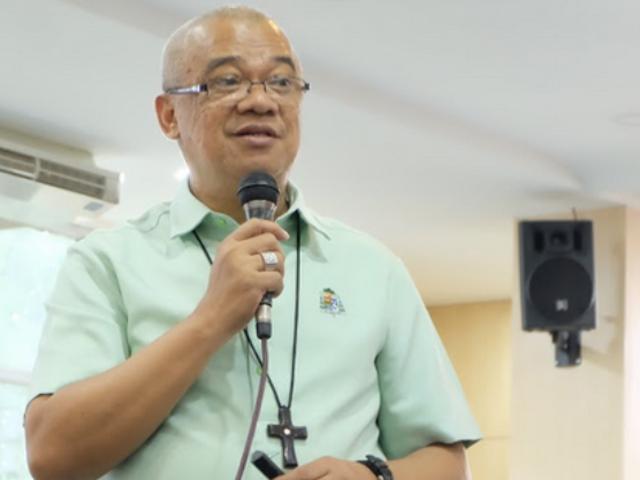
The Roman Catholic Diocese of San Carlos on Tuesday will formally launch a diocesan policy that will spell out a zero-tolerance against all forms of abuse committed by members of the clergy, religious, and other church workers.
In a statement, the diocese said it will unveil its “Diocesan Safeguarding Policy for the Protection of Minors and Vulnerable Persons” during its 38th anniversary celebration at the San Carlos City Auditorium in San Carlos, Negros Occidental.
The new guidelines will be one of the most comprehensive institutional reforms on child protection, victim care, and accountability, it added.
“Safeguarding is not merely a policy to be followed; it is a profound expression of our love for God and neighbor, a visible sign of our faith lived through justice, compassion, and mercy,” San Carlos Bishop Gerardo Alminaza said.
The policy explicitly states a zero-tolerance policy on all forms of abuse, committed by members of the clergy, religious, church workers, and volunteers.
The document will bind every parish, mission station, school, and church-affiliated institution in the Diocese of San Carlos to common standards on prevention, reporting, and response, aligned with the country’s laws and universal Church norms such as Vos Estis Lux Mundi and Tutela Minorum.
The diocesan policy is built around prevention, transparency, and measurable accountability, including:
- Mandatory safeguarding training for all church personnel every three years
- Designated safeguarding officers in every parish and institution
- Clear referral and reporting pathways to civil authorities
- Independent audits of safeguarding performance every three years, and
- Annual public reporting on safeguarding cases and actions taken.
It also pushes for a victim-centered approach, ensuring complainants are protected from retaliation, welcomed with dignity, and offered pastoral and psycho-social support, while preserving due process for the accused.
“Our mission calls us to create spaces of honesty, dialogue, and encounter – where survivors are received with compassion, where their voices are listened to with humility, and where truth-telling becomes the bridge toward healing and reconciliation,” Alminaza said.
“Through sincere conversation and shared discernment, the Diocese of San Carlos seeks not only to address wrongs but to transform relationships and structures that have caused harm to allow grace to renew what sin has broken,” he added. — JMA, GMA Integrated News

