

 GMA Brandtalk
 Tracking
 Archives

DOST: 'Three-Horizon Approach' aims to meet ‘real needs’ of Filipinos
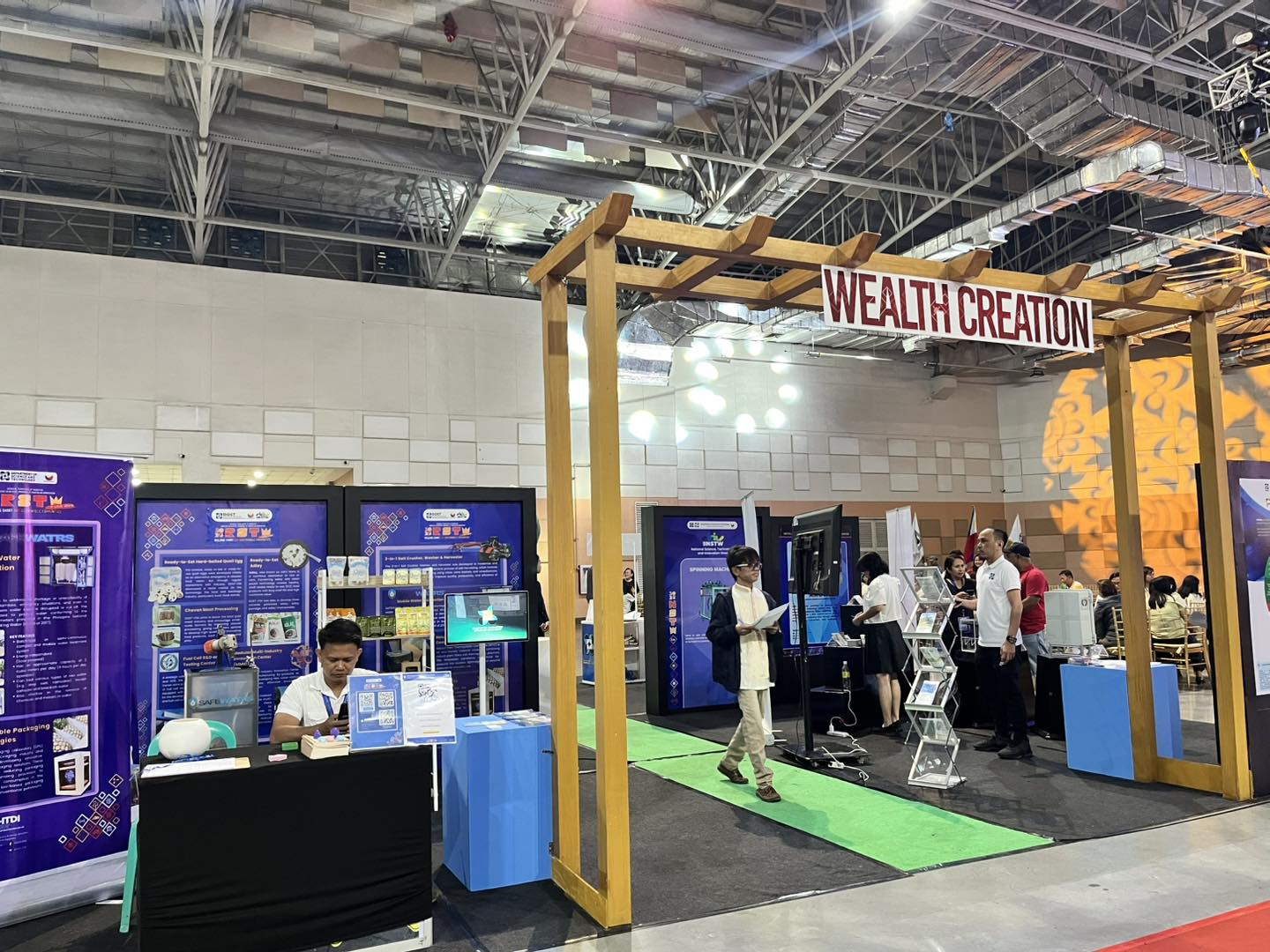
DAGUPAN CITY—The Department of Science and Technology (DOST) said its “Three-Horizon Approach” aims to implement programs that respond to the “real needs” of the Filipino community.
During the opening day of the 2026 Regional Science and Technology Week for Region 1 on Monday, Secretary Renato Solidum Jr. said the approach is not new, but is now in the “harvest stage.”
“The Three Horizons strategy is not really a new program where we start from scratch. These programs are already funded, and some need to be implemented in partnership with other organizations,” he said.
The Three Horizons Approach is DOST’s way of planning science and technology programs in stages—helping businesses grow now, building stronger systems for the future, and aiming for a long-term economy that is inclusive, innovative, and sustainable.
Solidum noted that DOST is now concentrating on the first horizon, which focuses on boosting micro, small, and medium enterprise (MSME) productivity by helping businesses adopt advanced technologies and improve operational processes.
“We benchmarked with Thailand to see how they achieved more than 25–30% productivity increase through smart factories," he said.
"We want to engage enterprises with upscaling programs, using artificial intelligence and robotics automation in their operations,” Solidum added.
He said that while Manila and other major cities have similar startup numbers, the challenge lies in scaling up.
“What we need to do is further support our enterprises and leverage the presence of universities, higher education institutions, and state universities and colleges,” he said.
DOST’s Innoventa programs continue to push for commercialization of Filipino-made innovations, urging researchers to develop market-ready products.
The agency also continues to call for more investments in Filipino inventions to promote “innovation economics” and empower the Philippine economy through human capital.
Solidum said the second horizon focuses on increasing productivity through investments in resilient systems and manpower, while the third horizon envisions a long-term goal of an inclusive, circular, and innovation-driven economy.
“Technology allows us to use resources more efficiently and respond faster to disruptions. Business model innovation moves us toward a circular economy—where waste becomes value," he said.
"Partnerships among industry, government, and communities make innovation scalable and impactful,” Solidum added.
Solidum said industries are already turning waste into value while digital tools make businesses more efficient and sustainable.
“Across industries, circular economy practices are already transforming waste into new inputs and revenue streams. Digitalization makes businesses leaner, faster, and greener—optimizing supply chains, reducing losses, and improving traceability and safety,” he added.
DOST is also set to launch the National Artificial Intelligence Center for Research and Innovation (NAICRI) on February 26, showcasing current efforts in AI infrastructure, platforms, and tools.—MCG, GMA Integrated News

