

 GMA Brandtalk
 Tracking
 Archives

Baguio rolls out free rides as fuel hike hits tourism
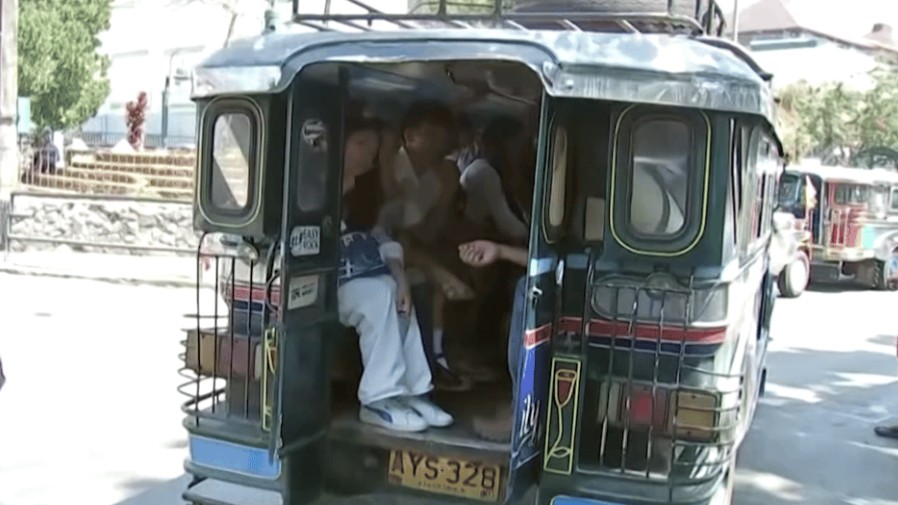
The local government of Baguio City rolled out free rides and an emergency mobility program as a sharp rise in fuel prices hit public transport and slowed tourism during the Holy Week, officials said.
Oil industry sources projected increases of up to P21 per liter for diesel and more than P7 for gasoline, but the city government said local prices could rise by as much as P9, adding pressure on drivers.
Several drivers said they may stop operating due to losses.
“Hindi na ako bibiyahe. Ngayon na nga lang, hindi na kumikita. Eh ‘di ‘pag nagtaas pa, wala na,” Carlos Lanuza, a jeepney driver, said.
(I will no longer make trips. Just today, we're no longer earning. If the fuel prices go up, there's nothing left.)
“Ewan ko lang kung paano tatawid pa sa araw-araw kapag ganito talaga. Mahirap na talaga,” Jun Canao, another jeepney driver, added.
(I don't know how we can go from day to day if it's like this. It's really hard.)
Elvis Marcelo, a taxi driver, said earnings barely cover fuel costs.
“Iyong bayad mapupunta lang sa diesel. Parang thank you lang din,” he said.
(The fares just go to buying diesel. It's just like a "thank you.")
To ease the impact, the Baguio City government launched an Emergency Mobility Support Program, covering about 20 percent of jeepneys through service contracting, especially for night trips.
“Ise-service contract ng city ‘yung biyahe ng gabi in order to guarantee na babalik sila sa gabi at magsakay ng ating residente na pauwi,” City Administrator VJ Cawis said.
(The city will provide a service contract for night trips to make sure they will return in the evening and drive residents going home.)
The city also offered a free ride program to help residents, especially as fewer public utility vehicles operate at night. However, officials said the program remains limited due to funding constraints.
At bus terminals, crowds continued to build, but transport companies adjusted operations due to high fuel costs. Some trips had longer waiting times, while others only started engines shortly before boarding to save fuel.
Tourism showed signs of weakness during the Holy Week. Hotels saw slight improvement from Good Friday to Black Saturday, but occupancy rates remained lower than in previous years.
“‘Yung mga tourist na umakyat during the Holy Week were probably the ones who utilized our public transport system kasi significant ‘yung drop ng private vehicles sa kalsada,” Cawis said.
(The tourists who visited during the Holy Week were probably the ones who utilized our public transport system because there was a significant drop in the number of private vehicles along our roads.)
The city expects hotel occupancy to decline again in the coming weeks, affecting businesses that depend on tourism.
Street vendor Rodel Palayo said income has dropped sharply. “Halos lugi na po, halos wala nang naitatabi. Tuluyan na po siguro kaming wala na, hindi na kami magtitinda kaysa tinda nang tinda walang kita,” he said.
(We're almost at a loss, there's almost no earnings. We're almost done, we will no longer do this if we're selling but earn nothing.)
To help the local economy recover, the city government is pushing for sustainable tourism and encouraging businesses to source locally.
“Local businesses, restaurants, hotels natin dito sa Baguio, we encourage them na hyper local. Bili tayo sa ating mga local sources para lang umiikot pa rin ‘yung ating ekonomiya,” Cawis said.
(Our local businesses, restaurants, hotels Baguio, we encourage them to hyper local. We should buy from local sources so our economy continues to move.) —with reports from Unang Balita/GMA Regional TV News

