

 GMA Brandtalk
 Tracking
 Archives

More than 5,000 homes affected by Mayon activity in Albay
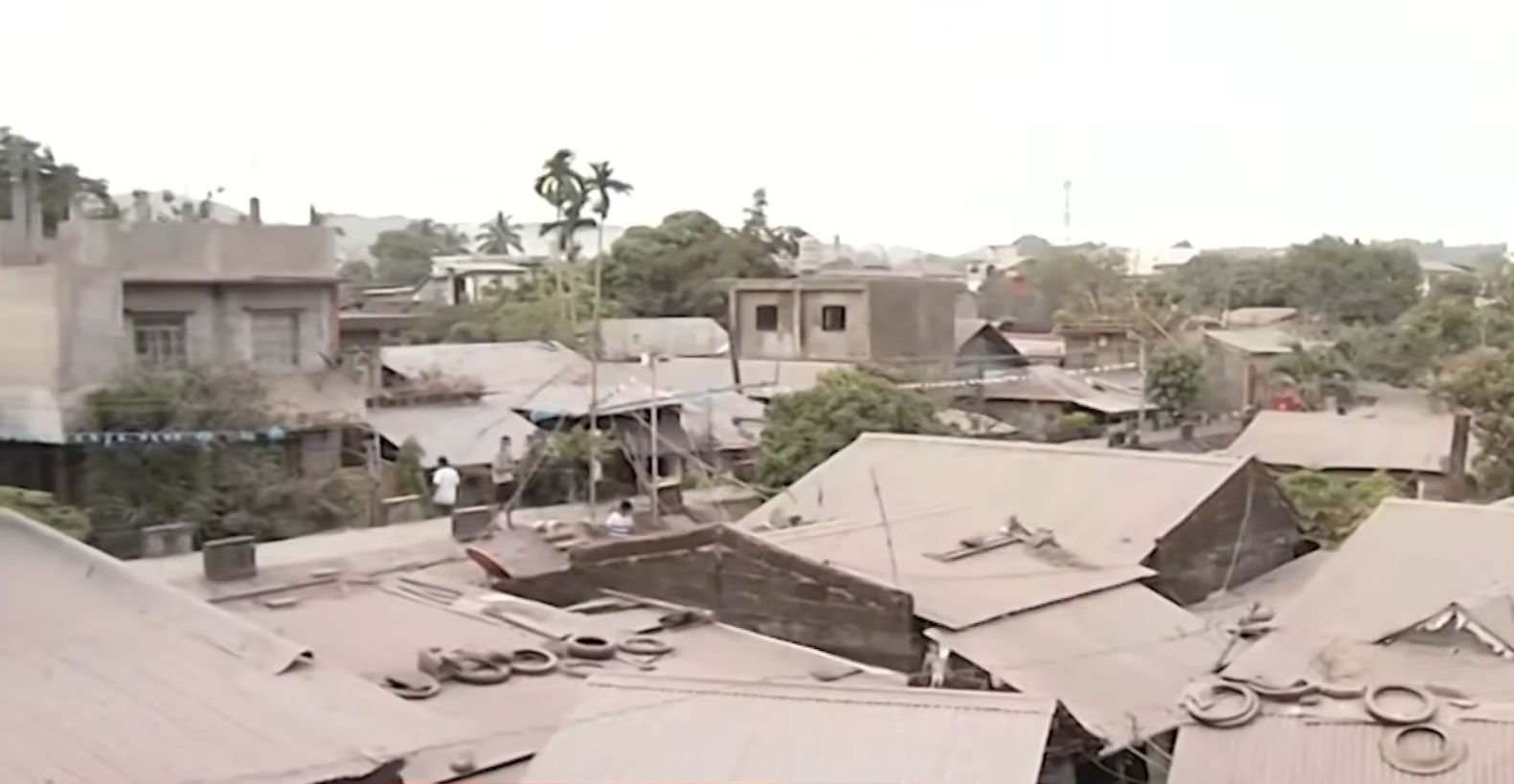
More than 5,000 homes in Albay have been affected by ashfall from Mayon Volcano, authorities said.
In a public briefing on Tuesday, Albay Governor Noel Rosal said seismic activity at Mayon has eased and no significant ashfall events are expected. However, he noted that pyroclastic density currents (PDCs) continue to occur.
“Normal tayo ngayon kasi wala tayong malaking ashfall [event] gaya ng nangyari nung Sabado,” he said.
(We are currently normal since we have no massive ashfall event like what happened on Saturday.)
Clearing operations are ongoing across affected areas in Albay.
Rosal said PDCs remain a concern, particularly for barangays near the volcano.
“Talagang alarming ito dahil nakaumang na ito sa mga barangay. Kaya magpapatawag tayo ng emergency meeting para sabihan ang mga may-ari ng mga taniman sa mga barangay,” he said.
(This is really alarming because it is already close to the barangays. We will call an emergency meeting to inform farmland owners in the affected barangays.)
He also said that around 10,000 to 13,000 residents could be evacuated if Mayon is raised to Alert Level 4.
“I even spoke with the President last Sunday. I told him that if we raise it to Alert Level 4 or extend the danger zone to 7 kilometers, we are talking about an additional 10,000 to 13,000 residents who will be evacuated. So this is quite large. Food supply in affected municipalities must be sustainable,” he said.
Mayon remains under Alert Level 3, indicating a high level of unrest.
Raising Alert Level 4 means a dangerous eruption is imminent or may occur within hours to days, as the volcano shows very high unrest and strong indications that magma is close to the surface.
On the ground, this typically triggers forced evacuation in high-risk areas, particularly within the permanent danger zone.
The Philippine Institute of Volcanology and Seismology earlier said there were no significant changes in monitoring parameters that would warrant raising the alert level.
“There was no change in the overall monitoring parameters. What happened was that the newest lava flow in Mi-isi Gully, being fed by lava effusion at the crater, instead of growing or advancing as it had since 6 January 2026, started collapsing," said PHIVOLCS Volcano Monitoring and Eruption Prediction Division chief Ma. Antonia Bornas.
"The collapsing lava front led to the generation of successive pyroclastic density currents,” she added.—MCG, GMA News

