

 GMA Brandtalk
 Tracking
 Archives


COP31 climate talks break down as EU, others reject deal
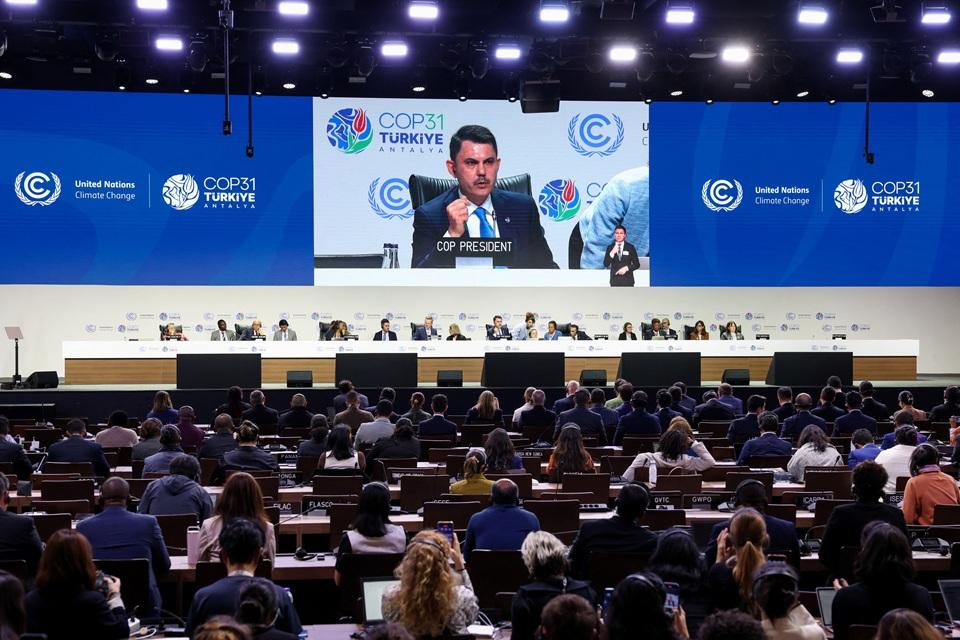
ANTALYA, Turkey — UN climate talks fell into disarray on Sunday as COP31 presidents Turkey and Australia failed to secure a consensus agreement on how to advance the fight against climate change, with the European Union and others rejecting a final draft deal.
After more than two weeks of negotiations, which had been due to end on Friday but stretched deep into the weekend, Turkey's COP31 President Murat Kurum said at the closing plenary that a deal was not approved.
"It is clear that there are parties in this hall who oppose this text. We recognize that there is no consensus on this document. Therefore, these decisions have not been adopted," he said.
The collapse of the talks comes in a year that has seen the most destructive impacts of global warming such as extreme heat in Europe and glacial floods in Nepal overshadowed by the demands of wars and public outcry over soaring living costs.
The last major breakdown in UN climate talks came in Copenhagen in 2009, when countries failed to adopt the Copenhagen Accord by consensus in a setback for multilateral climate diplomacy.
Australia, which was leading the negotiations, and host nation Turkey had issued multiple drafts of a text that sought to find compromise between the needs of nations most vulnerable to climate change and those whose economies depend on either the production or consumption of fossil fuels.
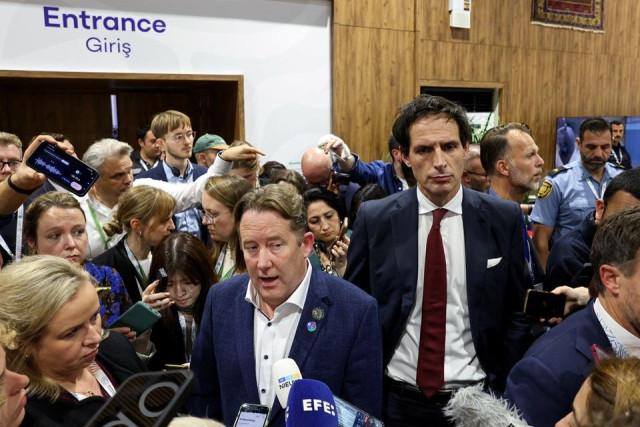
The text acknowledged for the first time that global warming is on course to exceed the 1.5 degree Celsius threshold countries had sought to preserve, while calling for faster development of carbon-removal technologies to eventually reverse the overshoot.
But the bid to win consensus backing proved unsuccessful, with critics of the text calling it unambitious.
The COP process is the main vehicle through which countries coordinate their efforts to curb global warming. Its annual summit is seen as an important opportunity to signal that nations are willing to work together to find solutions and help finance the myriad problems caused by rising temperatures.
While a major blow to efforts to ratchet up international action, the failure to agree a political declaration in Antalya does not wipe out the obligations agreed by previous summits or erase the technical and legal frameworks governing multilateral action against climate change. — BM, GMA News
Follow facebook.com/gmanewsonline for real-time news and developments in the Philippines and around the world.

