

 GMA Brandtalk
 Tracking
 Archives

'Differences' between Japan and South Korea derail US press conference
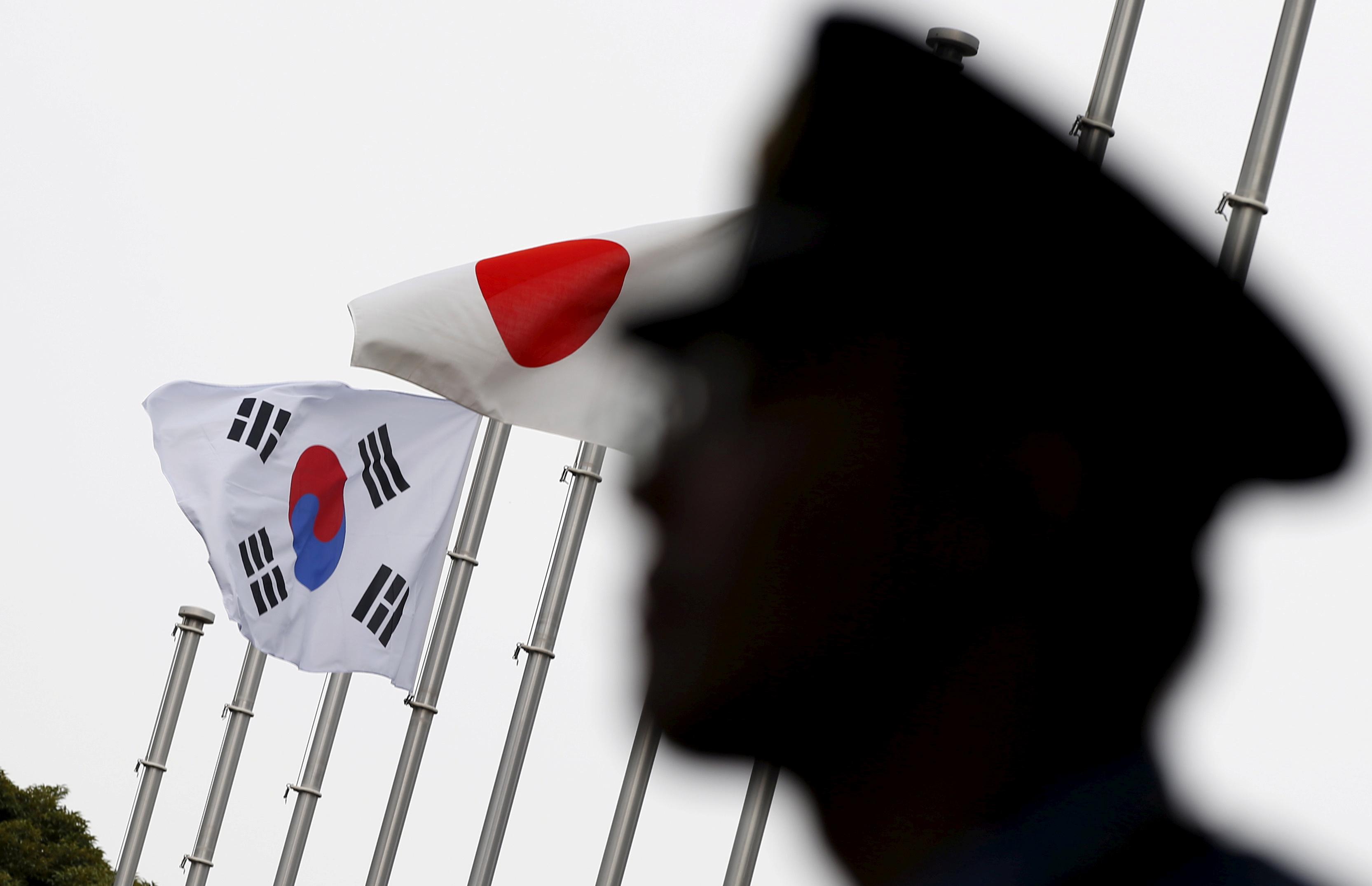
WASHINGTON - A joint press conference in Washington between the deputy foreign ministers of Japan and South Korean was canceled at the last minute because of "differences" between the two US allies, said US Deputy Secretary of State Wendy Sherman, who had been due to host the event.
"As has been the case for some time, there are some bilateral differences between Japan and the Republic of Korea that are continuing to be resolved," Sherman said.
"And one of those differences which is unrelated to today's meeting, has led to the change in format for today's press availability," she said, standing alone on the podium where she had been scheduled to be joined by Choi Jong Kun of South Korea and Mori Takeo of Japan.
She did not give any details on what that "difference" entailed.
The trilateral meeting between diplomats from the three allies did take place behind closed doors.
Sherman said the talks had been "very constructive," which, she noted, "demonstrates exactly why the trilateral format with the United States Japan, and the Republic of Korea is so important and powerful."
None of the three countries provided any immediate explanation on what sparked the discord.
Tokyo and Seoul have had strained relations for decades due to Japan's brutal colonial rule over the Korean Peninsula between 1910 and 1945. In 2019, South Korea threatened to break a military intelligence-sharing agreement with Japan, amid diplomatic and trade tensions.
That threat alarmed the United States, which feared that the tensions between its two closest Asian allies could have repercussions for regional security.
During the three-way meeting, the deputy ministers reaffirmed their "shared commitment" to the "complete denuclearization of the Korean peninsula," said Sherman, who renewed President Joe Biden's offer of dialogue with North Korea, which so far remains unanswered.
"The United States does not harbor hostile intent for the DPRK. We believe that diplomacy and dialogue are essential" to ridding the peninsula of nuclear weapons, said Sherman, referring to North Korea by its official title.
She added that the three allies oppose "activities that undermine, destabilize or threaten the rules-based international order" in the Indo-Pacific region and in the Straits of Taiwan, a clear warning to China. -- Agence France-Presse

