

 GMA Brandtalk
 Tracking
 Archives

US Supreme Court examines role of IQ tests in death penalty cases
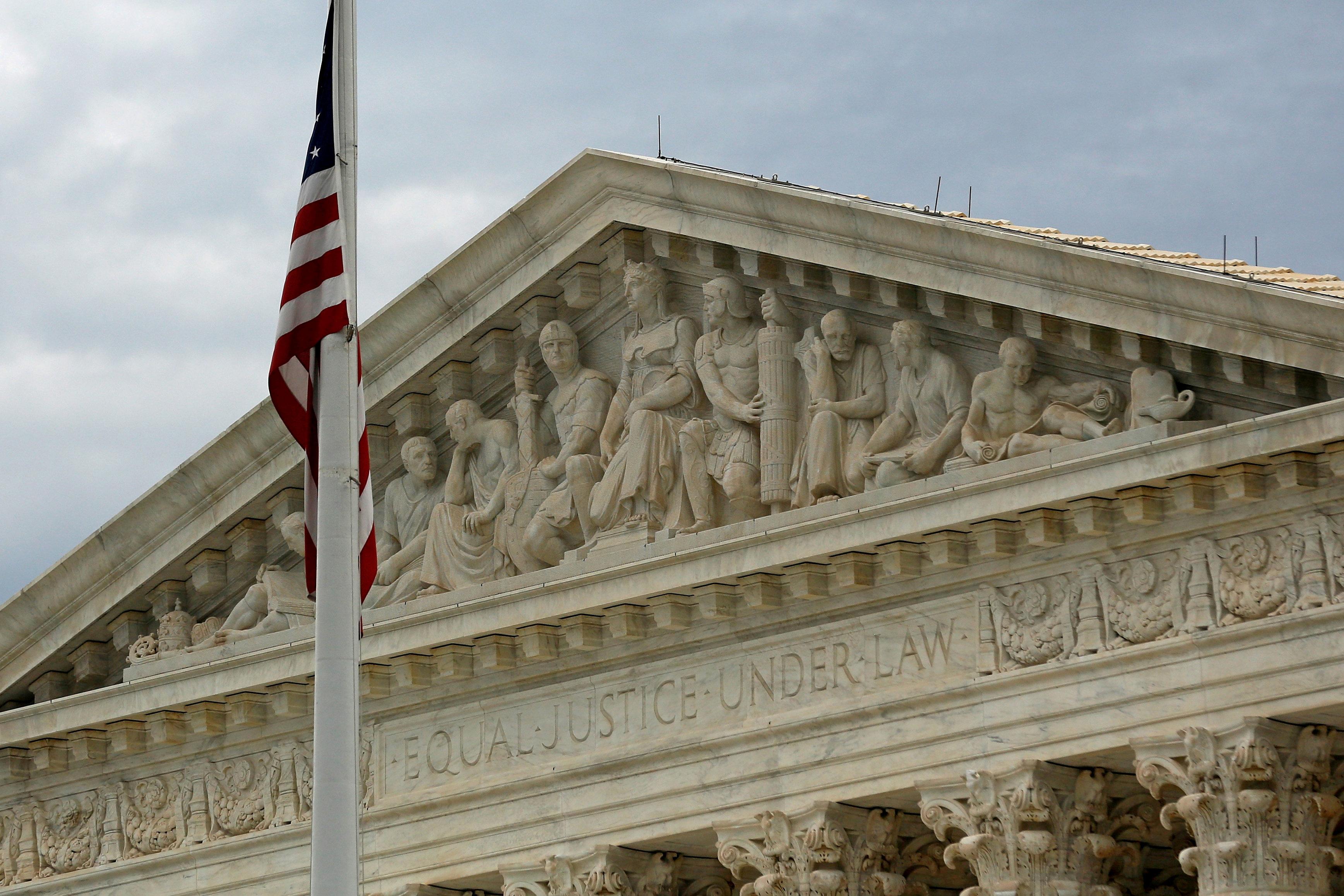
WASHINGTON, USA - The US Supreme Court on Wednesday examined how to determine whether a death row inmate is intellectually disabled and should be spared execution.
The top court more than 20 years ago outlawed executing individuals with diminished mental capacity, ruling it to be a violation of the Eighth Amendment's ban on cruel and unusual punishment.
The nine-member court left it up to the states to define whether or not a person is intellectually disabled.
At issue in the case heard by the Supreme Court is the role of IQ tests in making that determination.
Joseph Smith, 55, who was sentenced to death in the southern state of Alabama for a 1997 murder, claims he should be spared the death sentence because he is intellectually disabled.
Smith has taken five IQ tests over the years, scoring between 72 and 78.
A score of 70 or lower is considered evidence of intellectual disability under Alabama law.
Even though Smith scored above 70, a district court ruled he is intellectually disabled after taking into consideration the test's margin of error and other factors.
An appeals court affirmed the ruling and Alabama appealed to the Supreme Court.
"Every identified method of handling multiple IQ scores favors the conclusion that Smith is not intellectually disabled," Robert Overing, the attorney representing Alabama, told the justices on Wednesday.
Justice Ketanji Brown Jackson, a liberal, asked why the test for intellectual disability "should be simply and solely IQ score cutoff at 70?"
"IQ is originally how intellectual disability was defined as a condition, and it's always been the primary criterion," Overing said. "And states are allowed to take the best evidence of intelligence and to make that the test."
Jackson pushed back, saying the words "IQ score under 70" do not appear in the court's prior rulings related to intellectually disabled individuals.
"I think what you've done is shift this to be all about the IQ test in a way that is not supported by our case law," she said.
Justice Samuel Alito, a conservative, said there did appear to be a need for a "concrete standard."
"As opposed to a situation where everything is up for grabs in every case, and both sides can bring in experts to testify about the person's intellectual disability or lack of intellectual disability," Alito said.
Smith's lawyer Seth Waxman told the justices IQ test scores alone should not be used to determine mental capacity.
Sub average intellectual functioning "is a condition, not a test score," Waxman said.
The Supreme Court is expected to rule in the case before the end of June. — Agence France-Presse

