

 GMA Brandtalk
 Tracking
 Archives

Japan PM Takaichi opposes changing male-only imperial succession
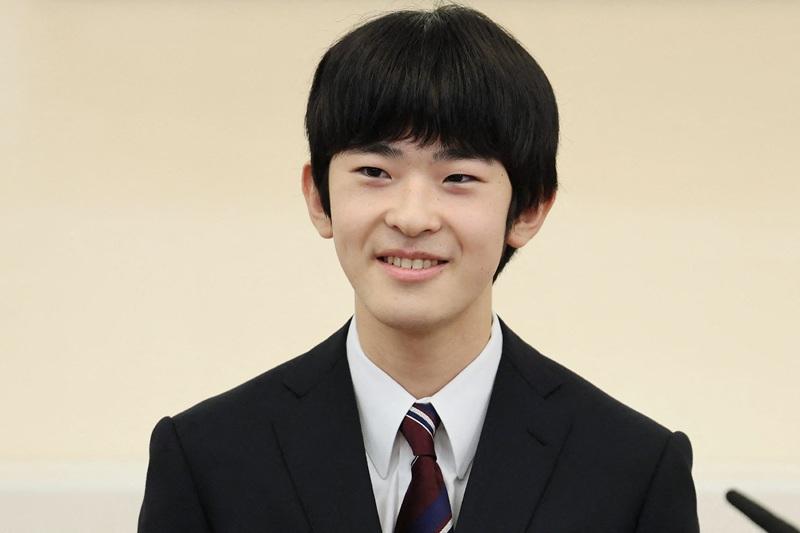
TOKYO, Japan - Japanese Prime Minister Sanae Takaichi said on Friday she opposes changing the imperial family's male-only succession rules, as pressure mounts on lawmakers to address the issue of the monarchy's survival.
Only the male offspring of the male side of the family can currently ascend the ancient Chrysanthemum Throne.
Since Emperor Naruhito, 66, only has one daughter, hopes for continuing the imperial family lie with Prince Hisahito, the teenage son of Crown Prince Akishino.
Prime Minister Takaichi told parliament on Friday that a panel of experts in 2021 found it "appropriate to limit eligibility to those who are male-line male descendants belonging to the imperial lineage" and she respected their conclusion.
"The government, and I, myself as well, respect this report," said Takaichi, the country's first woman prime minister.
She previously warned that revising the imperial family's succession rules was "an urgent matter", although this would likely involve "adopting" new members.
Even though tradition dictates only a man can carry on the imperial line -- which goes back 2,600 years according to legend -- opinion polls have shown high public support for a woman taking the throne.
'Unbroken imperial line'
Japan has debated the royal succession rules for decades, with a key government panel in 2005 recommending that it pass to the oldest child regardless of sex.
That appeared to pave the way for the emperor's daughter, Princess Aiko, to rise to the throne. But the birth of Prince Hisahito the following year silenced the debate.
In 2021, a government-appointed expert panel advised the government to consider allowing the imperial family to "adopt" new male members -- distant relatives who could be brought back into the fold.
But it is unclear if those men would be willing to give up their careers and freedom to continue the royal lineage.
The panel also said royal daughters -- currently forced to leave the family after marriage -- could potentially continue their public duties after their nuptials.
Traditionalists have asserted that the "unbroken imperial line" of male succession is the foundation of Japan, and major changes would divide the nation.
Under the post-war constitution, the royal family holds no political power.
Historically, women who wed royals have faced intense pressure to produce sons and some family members are regular subjects of online and media gossip.
Empress Masako, a former high-flying diplomat, struggled for years with a stress-related illness after joining the household, which some have put down to the pressure to have a boy.
Empress Emerita Michiko, Naruhito's mother, also suffered stress-induced illnesses.
Hisahito's sister, Mako, married her university boyfriend, Kei Komuro.
She faced intense tabloid reporting over claims that Kei's family had run into financial difficulties, leading the former princess to develop complex post-traumatic stress disorder. The couple left for the United States, where they had a baby. —Agence France-Presse

