

 GMA Brandtalk
 Tracking
 Archives

Iranian missiles shake Gulf cities after US, Israeli strikes on Iran
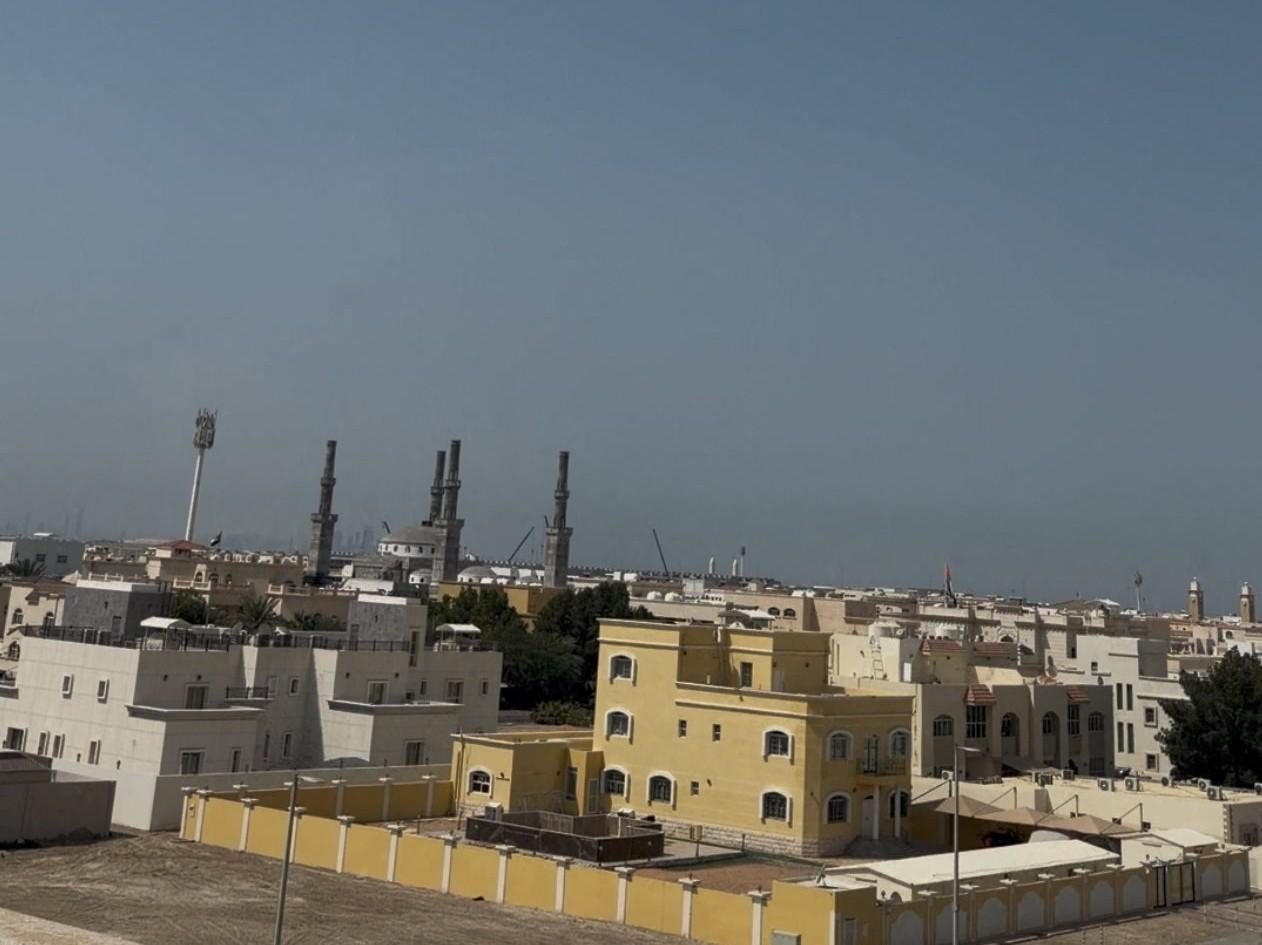
DUBAI - Iran fired missiles at several Arab Gulf cities on Saturday, causing waves of blasts, shaking windows and sending people rushing for cover in rare and potentially far-reaching attacks on a region that prides itself on its security.
Kuwait, Qatar, the United Arab Emirates and Bahrain, all of which have a US military presence, said they had intercepted Iranian missiles after Tehran vowed to retaliate for US and Israeli strikes on Iran. Jordan also intercepted missiles.
UAE state media said one person had been killed in Abu Dhabi, but gave no details.
On Dubai's posh Palm Islands, a fire broke out near a hotel and huge plumes of smoke could be seen from a distance as multiple blasts echoed throughout the day.
Missile trails streaked across the sky above several cities as loud blasts rang out, most likely the sound of air defenses intercepting barrages of incoming missiles. Residents took cover in windowless bathrooms and closets.
"All occupied territories and the criminal US bases in the region have been struck by the powerful blows of Iranian missiles. This operation will continue relentlessly until the enemy is decisively defeated," Iran's Revolutionary Guards said.
The UAE president and Saudi crown prince spoke after the attacks, with Riyadh voicing solidarity and both leaders warning against escalation while urging restraint and a return to diplomacy.
Their call was rare direct contact amid strained ties between the two Gulf powers since late last year.
Falling shrapnel from intercepted missiles caused concern across the region. In Bahrain, such debris landed on a road in the Sanad area, near an army headquarters, and Qatar’s interior ministry warned against touching any fragments.
Stark departure from daily life
The Gulf’s oil and gas wealth has long provided high-paid, tax-free jobs and a comfortable lifestyle that has drawn millions of expatriates to cities such as Abu Dhabi, Dubai and Doha. Saturday's events were a stark departure from daily life.
The attacks unfolded during the holy Muslim month of Ramadan, when the Gulf is quieter during fasting hours, and this underscored the shock.
Bahrain confirmed an attack inside its territory and said a service center of the US Fifth Fleet had been struck. Video from a Reuters witness showed a plume of grey smoke rising near the small island nation's coast as sirens wailed.
Education authorities in Bahrain and Qatar said schools would shift to remote learning from Sunday.
Loud booms were heard across Abu Dhabi, according to five witnesses including two Reuters correspondents, and smoke billowed from a point offshore opposite the city. Some residents received a phone alert telling them to shelter in the closest secure building and stay away from windows because of missile threats.
One witness told Reuters she heard five booms in rapid succession that caused windows in a house near Abu Dhabi's Corniche to vibrate. Other witnesses in the Al Dhafra and Bateen areas heard loud booms as well.
Fighter jets flew above the Yas Island area of Abu Dhabi on Saturday afternoon.
In Dubai, the region’s business and tourism hub, five large blasts were heard late in the afternoon. While normal life carried on in some areas, some grocery delivery apps showed heavily delayed services. Some users appeared to be ordering in bulk.
A worker at a supermarket at Dubai’s Nshama Town Square, who did not want to be named, said: “This is not normal. Some suppliers have said they won’t restock some items. The water is already running out.”
The UAE government said food supplies and essential goods remained plentiful, with imports and supply chains operating normally and strategic reserves strong enough to last for extended periods. Authorities urged the public not to panic-buy.
The Abu Dhabi Media Office said the internal security situation remained stable and that vital sectors were operating at full readiness. — Reuters

