

 GMA Brandtalk
 Tracking
 Archives

Pope Leo establishes new Vatican body that aims to coordinate AI discussions, policies
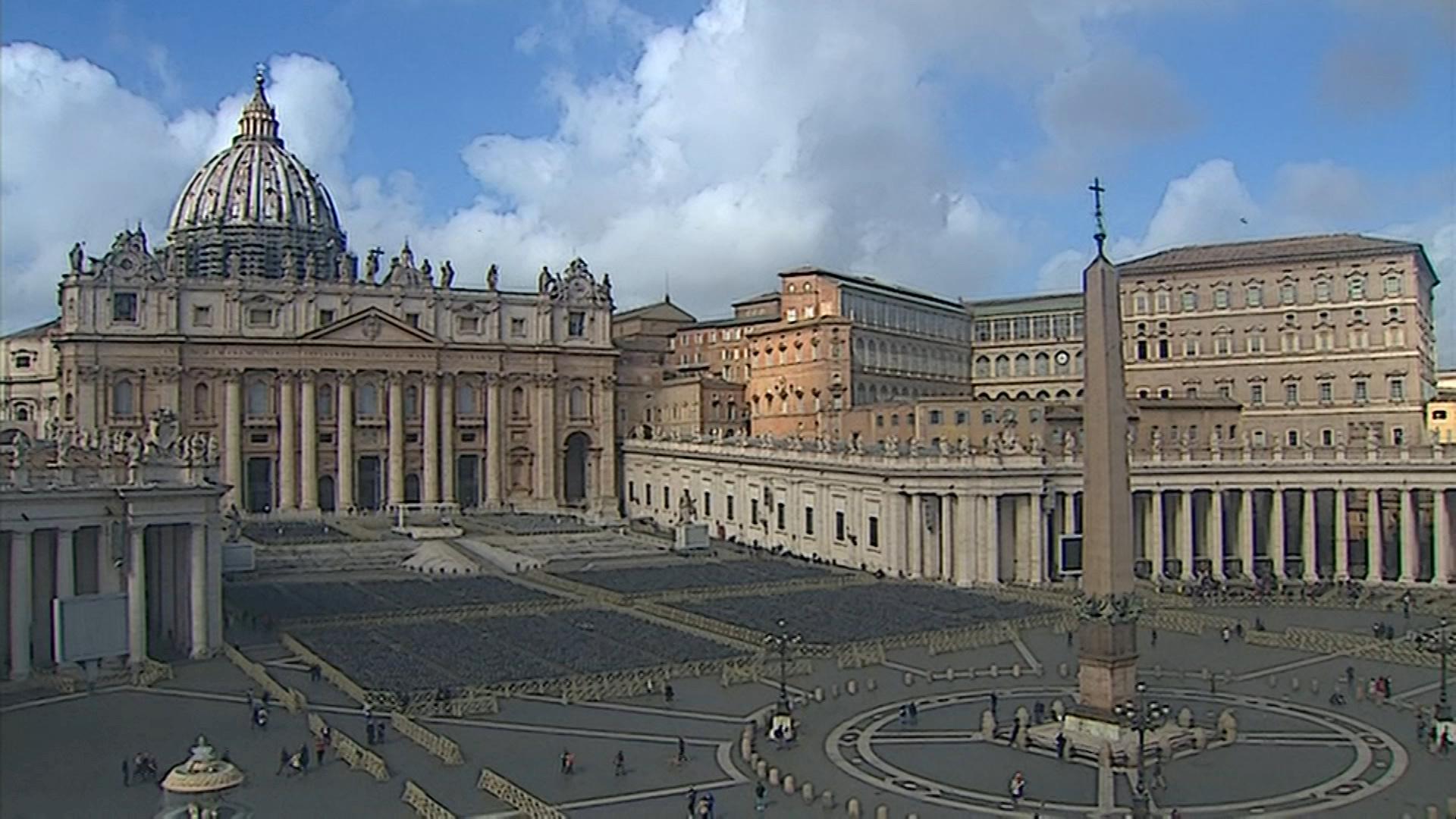
VATICAN CITY — Pope Leo XIV has approved the establishment of an Inter-Dicasterial Commission on Artificial Intelligence, a new Vatican body aimed at coordinating discussion, projects, and policies related to artificial intelligence within the Holy See.
According to a Rescriptum ex Audientia Sanctissimi issued on 16 May 2026, the commission was formally established by Cardinal Michael Czerny, prefect of the Dicastery for Promoting Integral Human Development, pursuant to Article 28 of the Apostolic Constitution Praedicate Evangelium. The decree received papal approval during an audience granted on May 3, 2026.
Under Praedicate Evangelium, a dicastery prefect may establish an inter-dicasterial commission to address matters of mixed competence that require frequent consultation among Vatican institutions.
The Vatican said the decision reflects the growing concern over the rapid development of artificial intelligence in recent decades and its increasingly widespread use.
The decree also cited AI’s potential effects on human beings and humanity as a whole, as well as the Church’s concern for the dignity of every person, particularly in relation to integral human development.
Since the beginning of his pontificate, Pope Leo XIV has repeatedly highlighted both the opportunities and risks associated with artificial intelligence, comparing its transformative impact to that of the Industrial Revolution. He has also warned that AI’s influence could extend beyond economics and labor to affect human relationships, psychology, and spiritual life.
The Vatican has already addressed these ethical concerns through previous initiatives, including Antiqua et Nova, a January 2025 note issued by the Dicastery for the Doctrine of the Faith and the Dicastery for Culture and Education on the relationship between artificial intelligence and human intelligence.
The new commission will include representatives from the Dicastery for Promoting Integral Human Development, the Dicastery for the Doctrine of the Faith, the Dicastery for Culture and Education, the Dicastery for Communication, the Pontifical Academy for Life, the Pontifical Academy of Sciences, and the Pontifical Academy of Social Sciences.
Any future changes to the commission’s composition must be approved by the Pope, while the head of each participating institution will appoint its representative.
For its first year, coordination of the commission will be entrusted to the Dicastery for Promoting Integral Human Development, led by Cardinal Michael Czerny.
The mandate may be renewed if necessary, after which the Roman Pontiff may assign coordination responsibilities to another participating institution for a term of one year.
According to the decree, the coordinating institution will facilitate collaboration and the exchange of information on artificial intelligence-related activities and projects, including policies governing AI use within the Holy See, while promoting dialogue, communion, and participation among Vatican institutions.
The initiative echoes previous Vatican efforts to respond to major global challenges, including the Vatican COVID-19 Commission established by Pope Francis in March during the pandemic. — BAP, GMA News

