

 GMA Brandtalk
 Tracking
 Archives

3 Saudi-flagged supertankers sail through Hormuz after Iran deal signed, data shows
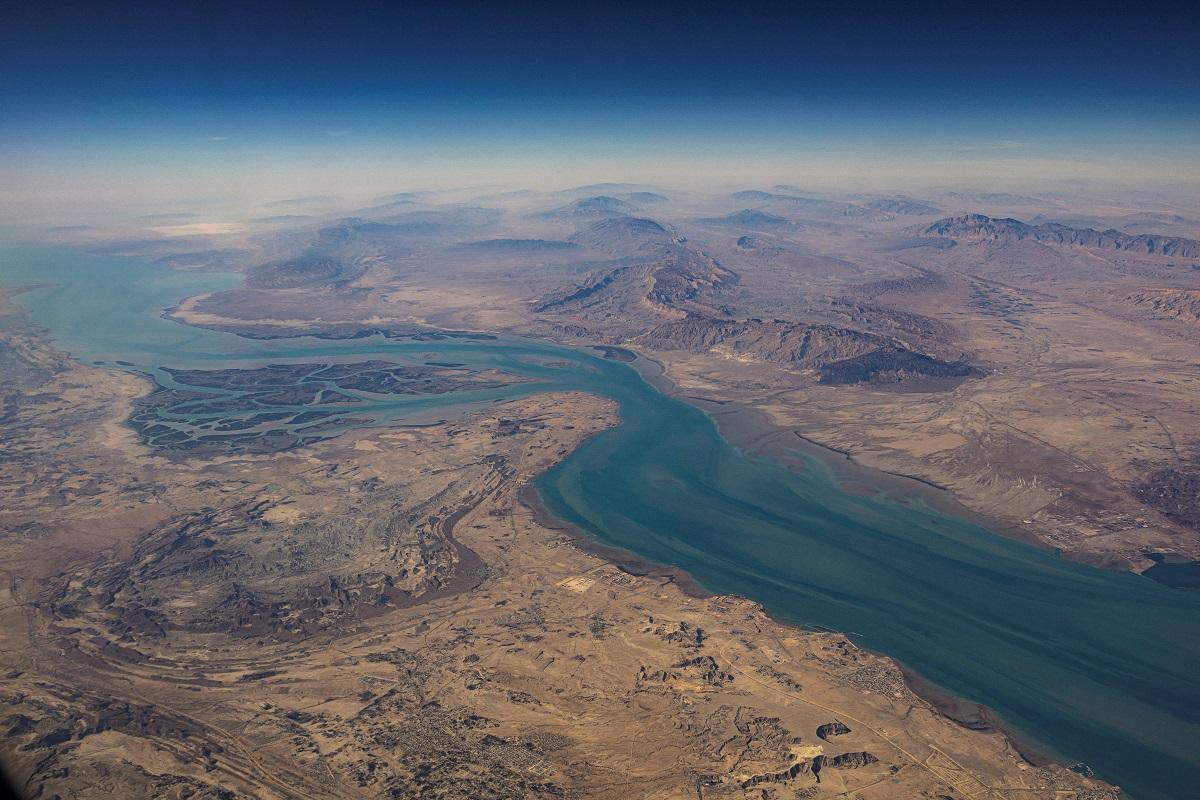
LONDON/SINGAPORE — Three Saudi-flagged supertankers with 6 million barrels of crude onboard and other ships sailed through the Strait of Hormuz hours after US President Donald Trump signed a deal with Iran to end their war, ship tracking data showed on Thursday.
Ships were broadcasting their positions as they sailed through the strait on Thursday, after weeks of concealing their voyages through the waterway by switching off their transponders.
The departures from Saudi ports were the most to go through the strait in weeks, according to Reuters analysis of shipping movements.
OPEC's largest producer has mainly used its Red Sea port terminal of Yanbu to ship out oil after the effective closure of the Strait of Hormuz during the conflict, preventing hundreds of millions of barrels of oil from leaving Gulf ports and hurting other producers in the area.
Saudi Arabian shipping group Bahri, which manages the three tankers, did not immediately respond to a request for comment.
In a further sign of traffic picking up, three separate crude tankers were loading oil around the United Arab Emirates port of Fujairah outside the strait, with two already heading to Europe with cargoes, Kpler ship tracking data showed on Thursday.
Fujairah had been among the terminals hit by Iran during the war, which started on February 28 when the US and Israel attacked it.
Ships on the move
The US and Iran released the text of an interim agreement their presidents signed on Wednesday to end the war, though Trump threatened to resume attacks and kill Iranian officials if they failed to honor their commitments.
The Hong Kong-flagged Aframax tanker Tong Lin Wan, which loaded naphtha from Abu Dhabi's Ruwais Refinery in early March and had remained inside the Gulf since then, passed through the strait on Thursday, LSEG data showed.
The QatarEnergy-controlled liquefied natural gas tanker Mraikh also crossed the strait on Thursday, LSEG and Kpler data showed. It loaded its cargo at Ras Laffan on June 12-13, and is set to deliver it to Port Qasim, Pakistan on June 18.
QatarEnergy did not immediately respond to a request for comment.
Another Hong Kong-flagged medium-range tanker Ye Chi sailed past Iran’s Larak island, but it has since stopped at the Strait of Hormuz, according to LSEG data.
Both Tong Lin Wan and Ye Chi are managed by COSCO Shipping Energy Transportation 600026.SS, LSEG data showed.
COSCO Shipping did not immediately respond to a request for comment.
Industry still cautious
However, shipping and insurance industry officials remained cautious on Thursday, seeking more assurances and details of the agreement.
The US will allow Iran to immediately begin selling oil and fuel under the MOU, a senior US official said on Tuesday.
INTERTANKO, which represents the world’s independent tanker owners, said the industry needed clarity on safety of navigation with mine clearance to start "at the earliest point," adding that mine danger areas needed to be published.
It said "ships should be assured that they will no longer be subject to attack."
"Some ships will, of course, start to move. That will be natural," INTERTANKO managing director Tim Wilkins said.
Apart from the threat of mines, clarity was needed "around sanctions, terrorism legislation and toll payments," Sheila Cameron, CEO of the Lloyd’s Market Association, said separately on Thursday.
"The road to recovery in the Gulf will be a long and complicated one," said Cameron, whose association represents the interests of all underwriting businesses in the Lloyd's of London insurance market.
"It will take months for some sort of normality to return to international shipping with vessels in the wrong place and supply chains distorted." — Reuters

