

 GMA Brandtalk
 Tracking
 Archives

Canadian boy dies of rabies after bat landed on his face while he slept
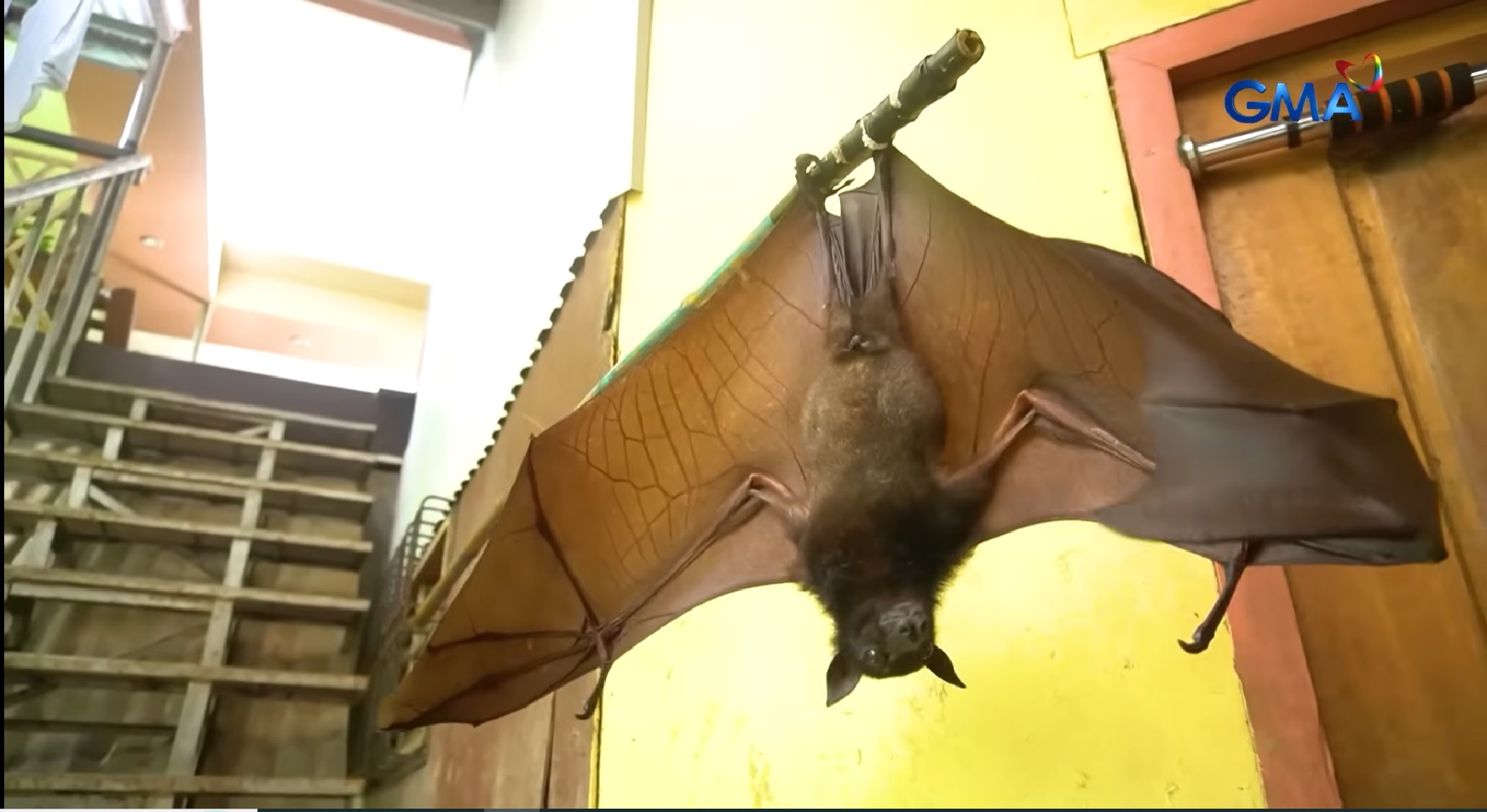
An 11-year-old Canadian boy died from rabies weeks after waking with a bat on his face, in a case that doctors say underscores the importance of seeking immediate medical attention after any direct contact with a bat, even when there are no visible bite marks.
According to a report published in the Canadian Medical Association Journal (CMAJ) on Monday, the previously healthy boy from Ontario died after developing rabies following a bat encounter at a cottage in northern Ontario.
The incident reportedly occurred in the summer of 2024.
Doctors said the child had been sleeping when a bat landed on his nose and mouth. He swatted it away while his father caught the animal and released it outside. Because the boy had no visible bite or scratch, the family did not seek medical care.
About three weeks later, the boy began experiencing numbness on the right side of his face, loss of appetite and facial swelling. His condition rapidly worsened, progressing to difficulty swallowing, confusion, hallucinations, excessive salivation, and multiple cranial nerve deficits.
Saliva testing later confirmed rabies. Despite intensive care, his condition continued to deteriorate, and life-sustaining treatment was withdrawn 17 days after he was admitted to hospital.
The report noted that this was the first locally acquired human rabies case reported in Ontario since 1967.
The physicians said rabies is almost always fatal once symptoms develop, but it is highly preventable through prompt post-exposure prophylaxis (PEP).
The authors emphasized that anyone who has direct contact with a bat should consult public health authorities immediately, even if no bite or scratch is visible, because bat bites can be so small that they go unnoticed.
They also clarified that simply finding a bat in the bedroom of a sleeping person, without any known physical contact, is generally not considered grounds for rabies post-exposure prophylaxis. In the boy's case, however, the bat had landed directly on his face, making it a high-risk exposure. — VBL, GMA News

