

 GMA Brandtalk
 Tracking
 Archives

Nicaragua postpones vote on excluding opposition from elections to September
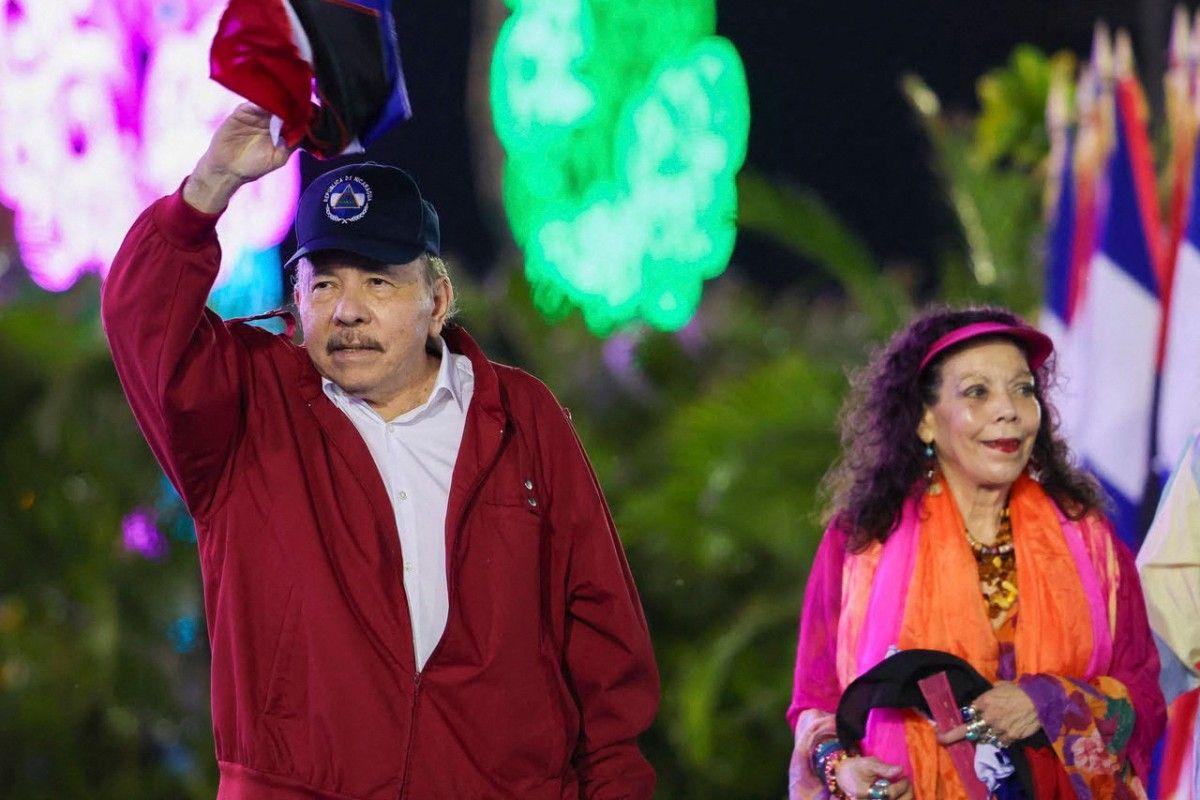
SAN JOSE, Costa Rica - Nicaragua has postponed until September a vote on excluding opposition parties from elections, Nicaraguan co-leader Rosario Murillo said Monday.
A vote in the legislature on those measures had been slated for August, after longtime President Daniel Ortega announced earlier this month that dissenting individuals and groups would not contest future elections.
Murillo, who is Ortega's wife, said that a special commission responsible for drafting the changes "would present before a plenary session with the goal of approving the constitutional reform in the first days" of September.
Ortega and Murillo presented the initiative to foreign ambassadors in Nicaragua on Monday, explaining that there would first be a consultation process including the military, police, business leaders, churches, and indigenous peoples.
Ortega, 80, and Murillo, 75, exert near total control over the Nicaraguan government.
In 2018, suppression of anti-government protests left over 300 dead, and human rights have surged since then, according to the UN.
Ortega and Murillo have described the protests as "an attempted coup" financed by the United States.
International condemnation
Numerous countries and international watchdogs have rejected Managua's attempt to exclude opponents from elections.
The United States "will not stand by as the Murillo-Ortega dictatorship deepens repression at home and manufactures instability that threatens US national security," Secretary of State Marco Rubio wrote on X last week.
The European Union condemned "the systemic repression by Nicaraguan authorities," while urging them to hold free elections.
"We call on the authorities to conduct elections and ensure that these take place as initially planned and are held in a transparent, inclusive, and credible manner," the EU's High Representative for Foreign Policy Kaja Kallas said in a statement.
The Nicaraguan Ministry of Foreign Affairs called the EU statement "interventionist" and "imperialist."
The president elect of Colombia, Abelardo de la Espriella, said he would cut ties with Nicaragua and Cuba as soon as he takes office on August 7, saying he would not maintain "any tie with tyrants."
'Obstacle for the coup-mongers'
During the announcement of the electoral initiative, former leftist guerrilla Ortega accused the opposition of being pro-US "sellouts." He vowed to create laws to "put a wall against them, an obstacle for the coup-mongers."
Ortega first became president of Nicaragua after the leftist Sandinista revolution toppled the US-backed right-wing regime of Anastasio Somoza in 1979.
Ortega served one term, from 1985 to 1990, before running for election again in 2006. He has been re-elected three times since in flawed elections.
Almost a million Nicaraguans have sought exile in Costa Rica, the United States and Spain over the last eight years.
Opponents say co-president Murillo is seeking to maintain power in light of Ortega's failing health. He is being treated for lupus and kidney failure. —Agence France-Presse

