

 GMA Brandtalk
 Tracking
 Archives

Global temperature rises to exceed 1.5 Celsius 'within a few years', UNEP says
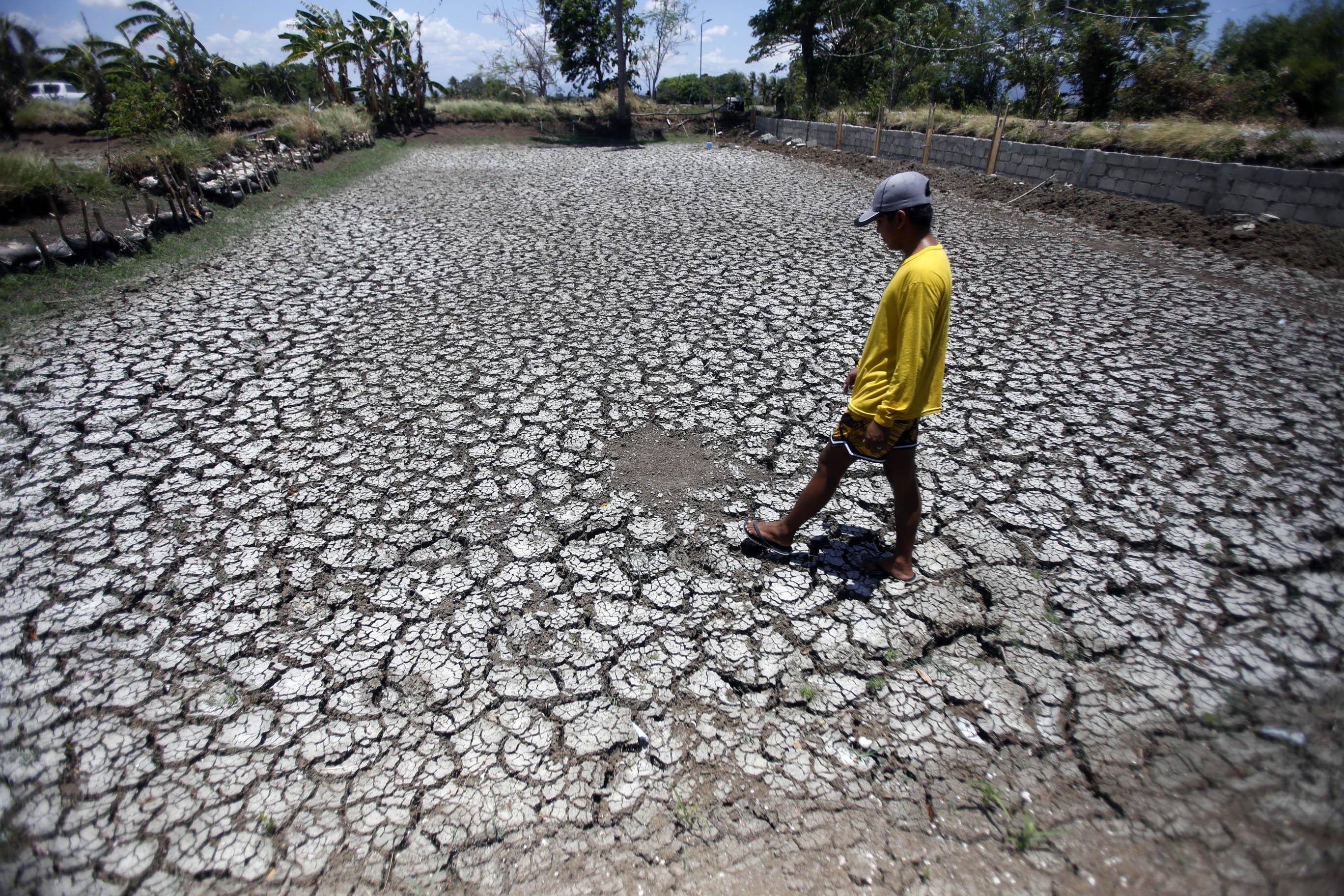
SINGAPORE, Sept 2 (Reuters) - Global temperature rises are set to exceed the key threshold of 1.5 degrees Celsius (2.7 degrees Fahrenheit) "within a few years", the UN's environmental body said on Wednesday, creating more extreme weather and intensifying pressure on ecosystems, glaciers and low-lying coastal cities.
The United Nations Environment Programme said bringing temperature rises back to below 1.5C was "possible but highly uncertain," and would require rapid emission cuts as well as interventions to remove carbon dioxide already in the atmosphere.
The report, called "Limiting Overshoot," pegs the "most optimistic scenario is for temperature rise" to peak at 1.8°C above pre-industrial levels — way above the 1.5C set by the 2015 Paris Agreement — if all existing national pledges are implemented.
Most other scenarios predict higher peaks.
Here are the details:
- Under the 2015 Paris Agreement governments committed to keeping temperature rises within 1.5C to limit the impacts of extreme weather.
- With "overshoot" now extremely likely, countries now need to focus on limiting how long temperatures remain above 1.5C, UNEP said in a report.
- "Every year of delay and every fraction of a degree above 1.5C increases risks and makes recovery harder, with irreversible losses possible even if temperatures later decline," it said.
- "Under current policies, median projected global warming reaches around 2.6C by 2100," it said.
- It said carbon dioxide removal (CDR) measures - including planting new forests - would be "critical" to control rising temperatures, but they would be no replacement for deep cuts in current emission levels.
According to John Leo Algo, national coordinator of Aksyon Klima Pilipinas, the new study "represents a global failure to accelerate solutions to address what is now undeniably a crisis."
"It is due to the failure of historical polluters to sufficiently decrease their greenhouse gas emissions," he added.
He brought it closer to home by pointing out the recent non-stop heavy Habagat rains and near-simultaneous typhoons, saying "communities are not given any time to recover, which - amplified by the aftermath of the flood control corruption scandals - left entire cities and towns submerged in floods, seeking relief aid, and searching for answers to recurring issues."
In the statement, he demanded "for developed countries to have enhanced net-reductions of their greenhouse gas emissions to enable global emissions to peak before declining to 1.5°C."
"We also demand for a greater pace of transitioning away from fossil fuels, ensuring renewable energy will provide up to 70% of global electricity by the end of the decade," he added.
In 2015, nearly 200 nations signed the Paris Agreement, which set to limit warming to 1.5C above pre-industrial levels.
The Paris Agreement is especially important to a country like the Philippines, which in 2025 is already considered the most disaster-prone country.
Among the effects of climate change and global warming are stronger and more frequent typhoons. — with reports from Lou Albano/Reuters

