

 GMA Brandtalk
 Tracking
 Archives

UN forecasts rare ‘triple-dip’ La Niña climate effect
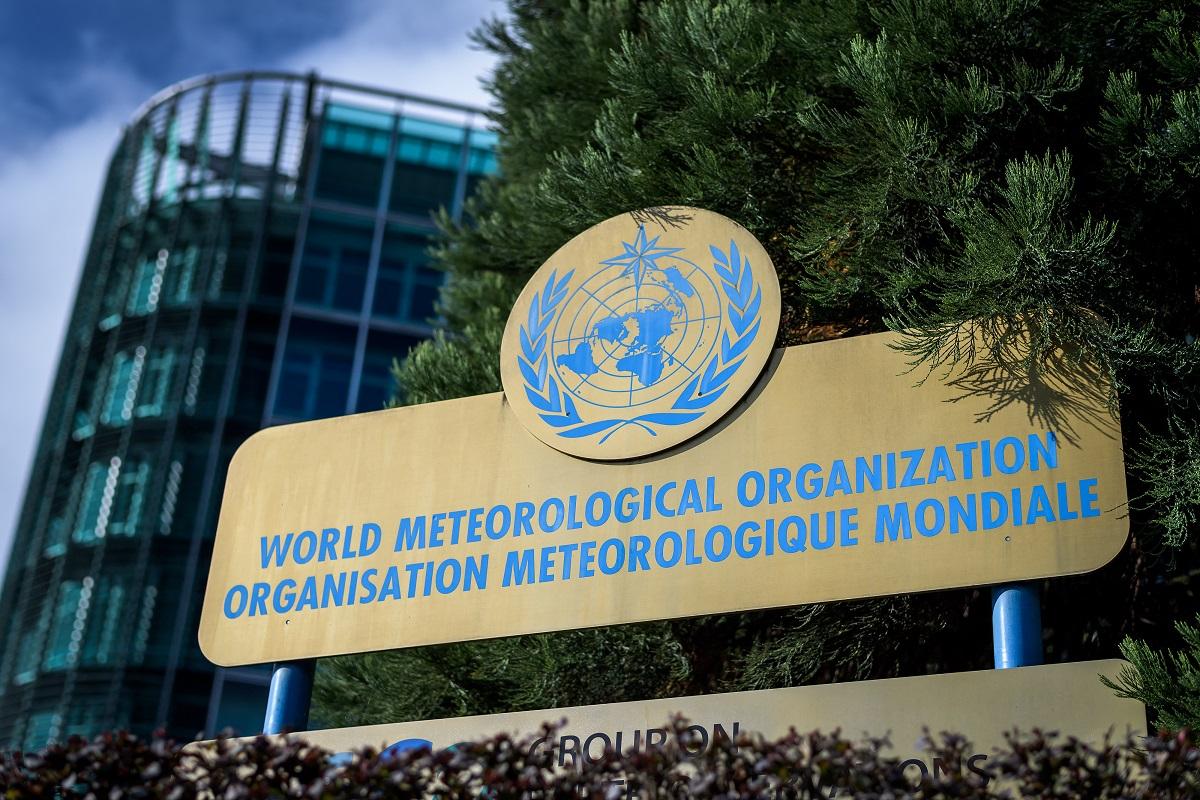
GENEVA — The La Niña weather phenomenon is likely to last until at least the end of the year, the United Nations forecast Wednesday, becoming the first "triple-dip" La Niña this century.
La Niña will likely span three consecutive northern hemisphere winters—southern hemisphere summers—according to the UN's World Meteorological Organization.
It would be only the third time this has happened since 1950, the WMO said.
The current La Niña event—the cooling of surface temperatures which can cause widespread impacts on global weather conditions—started in September 2020.
The WMO predicts it will continue over the next six months, with a 70 percent chance of doing so into September-November 2022.
That gradually decreases to a 55-percent chance into December-February.
La Niña is the large-scale cooling of surface temperatures in the central and eastern equatorial Pacific Ocean, normally occurring every two to seven years.
The effect has widespread impacts on weather around the world—typically the opposite impacts to the El Niño phenomenon, which has a warming influence on global temperatures.
La Niña is usually associated with wetter conditions in some parts of the world, and drier conditions in others.
But the UN's weather agency said all naturally-occurring climate events now take place in the context of human-induced climate change, which is increasing global temperatures and exacerbating extreme weather.
"It is exceptional to have three consecutive years with a La Niña event," said WMO chief Petteri Taalas.
"Its cooling influence is temporarily slowing the rise in global temperatures—but it will not halt or reverse the long-term warming trend."
La Niña's cooling effect was not enough to stop 2021 being one of the seven hottest years on record.
Taalas said the drought in the Horn of Africa and southern South America "bears the hallmarks of La Niña."
"The new La Niña update unfortunately confirms regional climate projections that the devastating drought in the Horn of Africa will worsen and affect millions of people."
That drought is set to get even worse with a fifth consecutive failed rainy season, the WMO projected on Friday, fearing an unprecedented humanitarian catastrophe.
Ethiopia, Kenya and Somalia are already going through their worst drought for 40 years.
La Niña conditions in the tropical Pacific have strengthened as trade winds intensified in recent months, affecting temperature and precipitation patterns and exacerbating drought and flooding, the WMO said.
The last La Niña, which was brief and relatively weak, began developing in November 2017 and ended in April 2018. — Agence France-Presse

