

 GMA Brandtalk
 Tracking
 Archives

EXPLAINER: How PAGASA names tropical cyclones
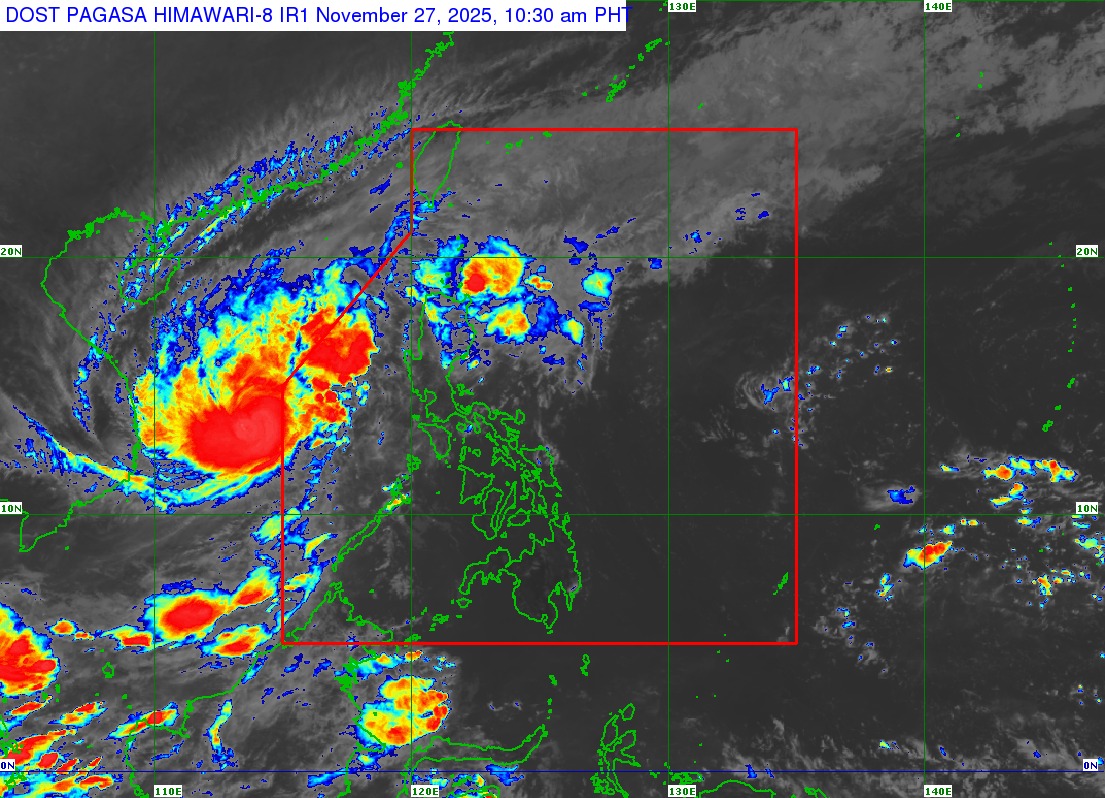
Since 1963, the Philippine Atmospheric, Geophysical and Astronomical Services Administration (PAGASA) has assigned local names to tropical cyclones that enter or develop within the Philippine Area of Responsibility (PAR) to make them easier for the public to remember and track.
Unless they are decommissioned, the names are utilized every four years.
PAGASA uses a predetermined list of Filipino-sounding names arranged alphabetically. Each year, the list resets, and names are assigned sequentially to each tropical cyclone that reaches at least tropical depression strength within PAR.
For instance, the first cyclone of the year is given a name starting with the letter “A,” followed by “B” for the second, and so on.
Once a weather disturbance intensifies into a tropical depression within PAR—or enters PAR already at that strength—PAGASA assigns it a local name.
This is done even if the system already has an international name from foreign weather agencies.
As a result, a storm can carry two names: an international name used globally and a PAGASA name used in domestic forecasts and advisories.
The use of Filipino names is intentional, as it makes warnings more relatable and easier to recall for communities, especially during severe weather events.
If all names on the list are used within the year, an auxiliary list is activated.
Names are retired if a tropical cyclone causes significant damage or loss of life.
This month, PAGASA announced that tropical cyclone names Crising, Emong, Mirasol, Nando, Opong, Tino, and Uwan were removed after the weather disturbances met the criteria required for the decommissioning.
Citing the Office of Civil Defense, PAGASA said these tropical cyclones cumulatively resulted in 373 fatalities, 680 injuries, and 132 missing individuals last year. The combined cost of damage amounted to over P36 billion.
These names have been replaced to avoid confusion and sensitivity issues. —VBL, GMA Integrated News

