

 GMA Brandtalk
 Tracking
 Archives

EXPLAINER: What you need to know about Habagat season
This year’s Southwest Monsoon (locally known as Habagat) season has started, the Philippine Atmospheric, Geophysical and Astronomical Services Administration (PAGASA) announced on Saturday, May 30.
According to PAGASA, the transition to the Habagat occurs due to a natural wind shift: when hot, dry easterly winds (the Easterlies) weaken, it allows warm, moist winds from the southwest to prevail.
PAGASA said that the Habagat may signal the onset of the rainy season in the coming days.
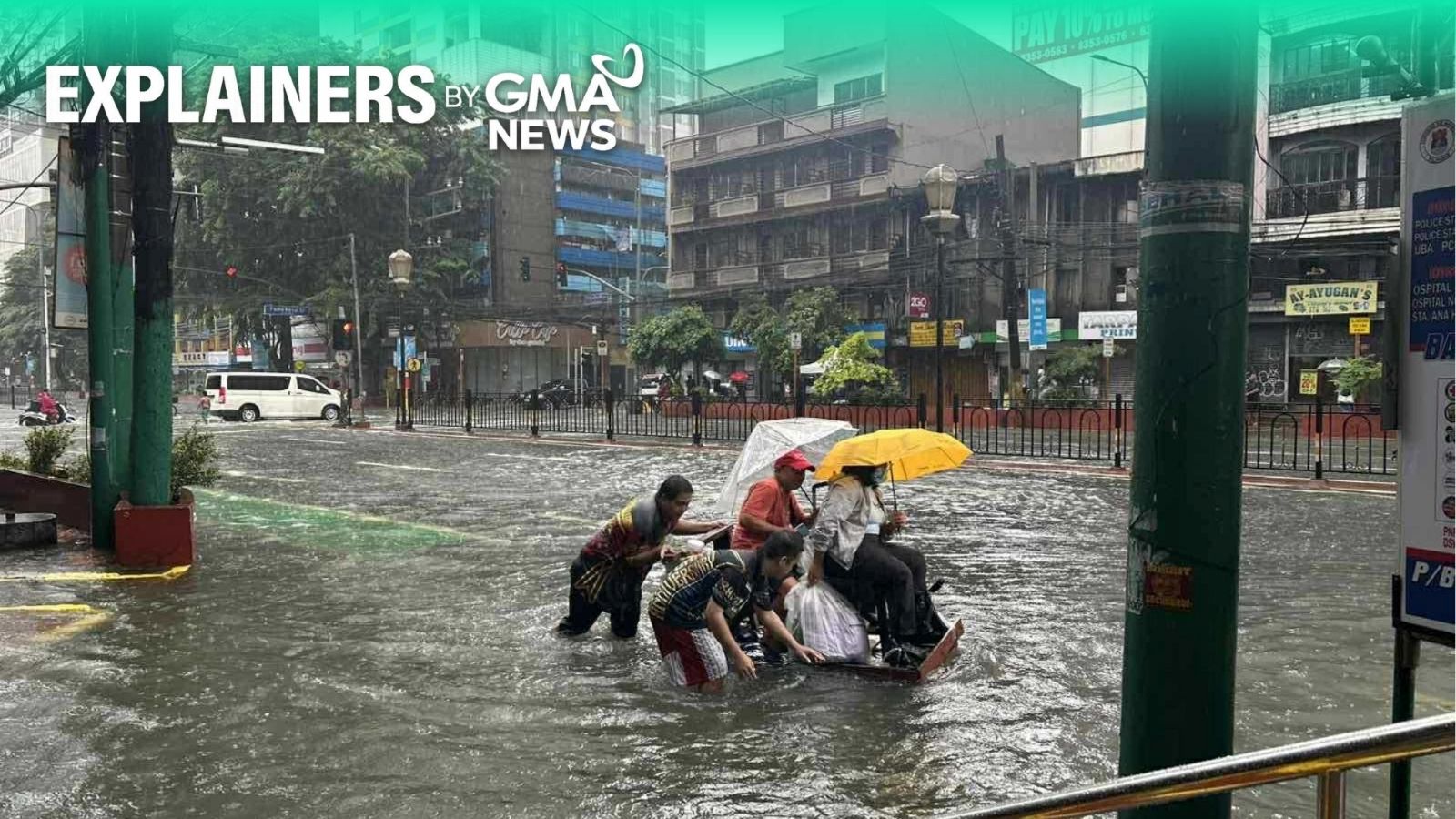
In its bulletin, the state weather bureau said that as the Habagat becomes more dominant, occasional to frequent rains and thunderstorms are expected, particularly over the western sections of the country.
On its website, PAGASA defined monsoon rains as “heavy and continuous precipitation.” This was observed, for example, last year when nine tropical cyclones entered the Philippine Area of Responsibility during the Habagat season, according to PAGASA.
Based on PAGASA’s 2025 Philippine Southwest Monsoon Assessment, the occurrence of tropical cyclones resulted in “episodes of prolonged rainfall and stronger winds.”
Habagat season usually lasts from May to September, but rain breaks may also occur.
In 2025, the Habagat began on June 2 and ended on October 6, PAGASA said. — VBL, GMA News

