






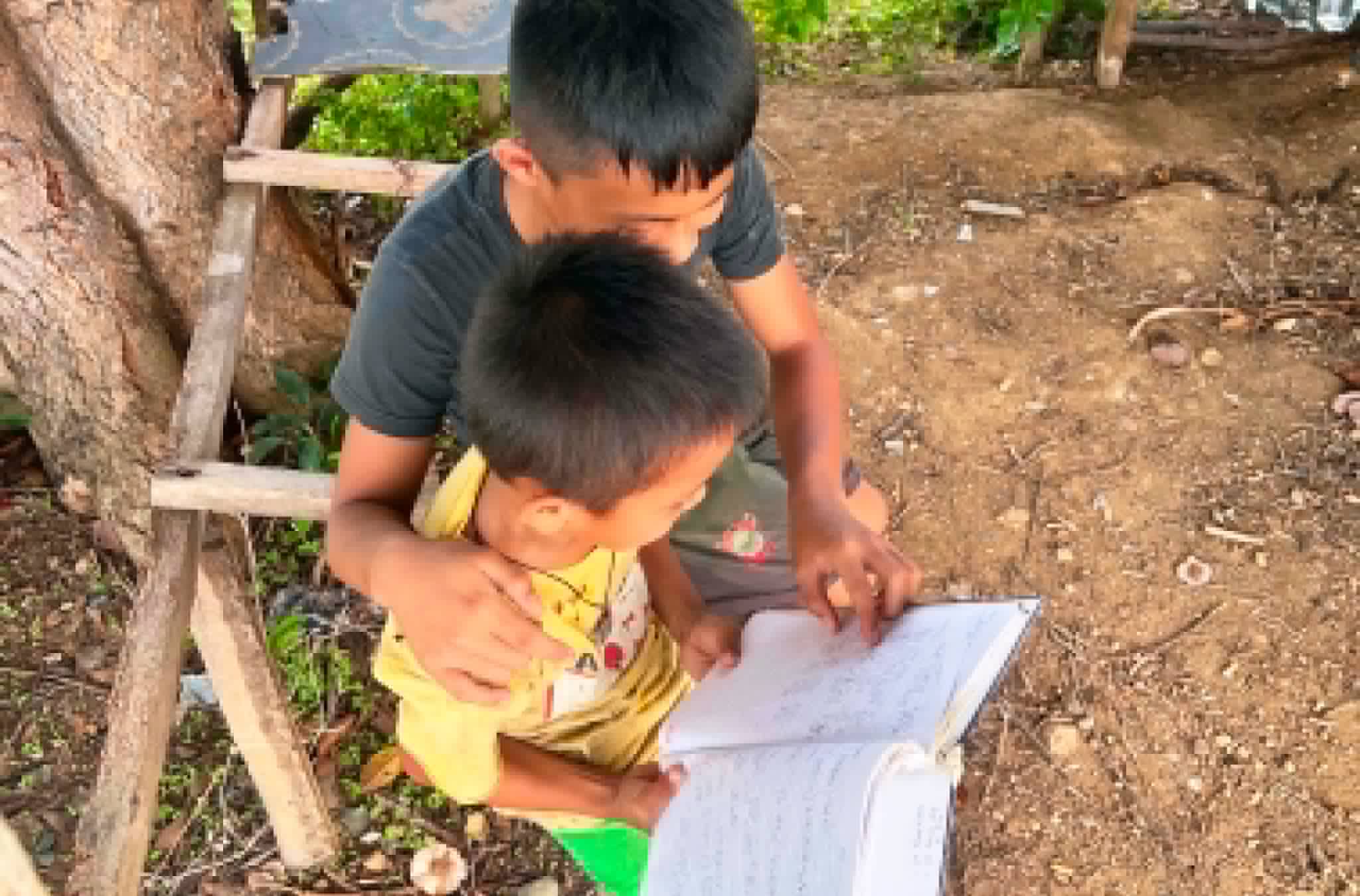
Government agencies and non-government institutions are intensifying efforts to address the reading literacy crisis in Sarangani Province after it was included among the top 10 areas in the country with the highest percentage of struggling readers.
Based on results of the Second Congressional Commission on Education (EDCOM II) released in March 2026, Sarangani ranked among the top five areas with the highest percentage of struggling readers at 60.57 percent.
The findings were based on the Comprehensive Rapid Literacy Assessment.
“Naa tay low-emerging mao tu pinakamababa na level sa reading performance sa atung mga estudyante para sa Grades 1 to 3. So na-stipulate didto nga sa percentage natu sa nag-take og exam nga sa 50 percent na belong sa low-emerging grades 1 to 3. Tapos sa Phil Iri naa pud ta 51% na belong sa frustration level,” Department of Education (DepEd) Sarangani CID Chief, Donna Panes, said.
Because of this, the education sector in the province, provincial and municipal governments, and non-government organizations gathered to address the problem.
Officials said the problem may have stemmed from resource allocation, including lack of classrooms, poor road accessibility, and teachers who are not familiar with the mother tongue spoken in the community.
However, poverty and far schools are identified as among the major factors affecting children’s education.
Some students from a tribal community in Alabel, Sarangani often help their families earn a living instead of focusing on their studies.
“Gamay lang… kay sige mi og trabaho ba… maghakot og lubi,” a 13-year-old student said.
Meanwhile, DepEd said it has an existing program that would help address the problem.
“Naay man tay aral program usa ni siya ka academic recovery, naa tay mga volunteers nga mga youth, naa pud applicants gikan sa naga-apply sa teaching position nga wala pa na-hire. Mao ni sila atong ginagamit para naa tay one on one nga pag-assist sa mga estudyante,” Panes added.
Other institutions and NGOs have also expressed support for literacy programs for Indigenous Peoples (IP) communities.
“Kailangan natin malaman the way this IP people learn and how can this be supported so that it can result to favorable literacy output or outcomes,” Mindanao State University (MSU) College of Education in General Santos City OIC Dean, Dr. Jovar Pantao, said.
“And if you want to help the community particularly the children, you focus on education. Itong nangyayaring krisis ngayon, naging matagumpay na kami before with the project quest pero nangyayari siya ulit ngayon and we find it as our responsibility and accountability to be something...,” Conrado and Ladislawa Alcantara Foundation Inc. Executive Director, Ryan Vidanes, added.
The top 10 divisions with highest and lowest percentage of struggling readers are the following:
- Tawi-Tawi - 75.60%
- Maguindanao del Norte - 65.38%
- Special Geographic Area (North Cotabato) - 64.49%
- Zamboanga City - 60.72%
- Sarangani - 60.57%
- Sulu - 59.63%
- Maguindanao del Sur - 58.46%
- Lamitan City - 57.77%
- Basilan - 57.59%
- Davao Occidental - 57.17%