






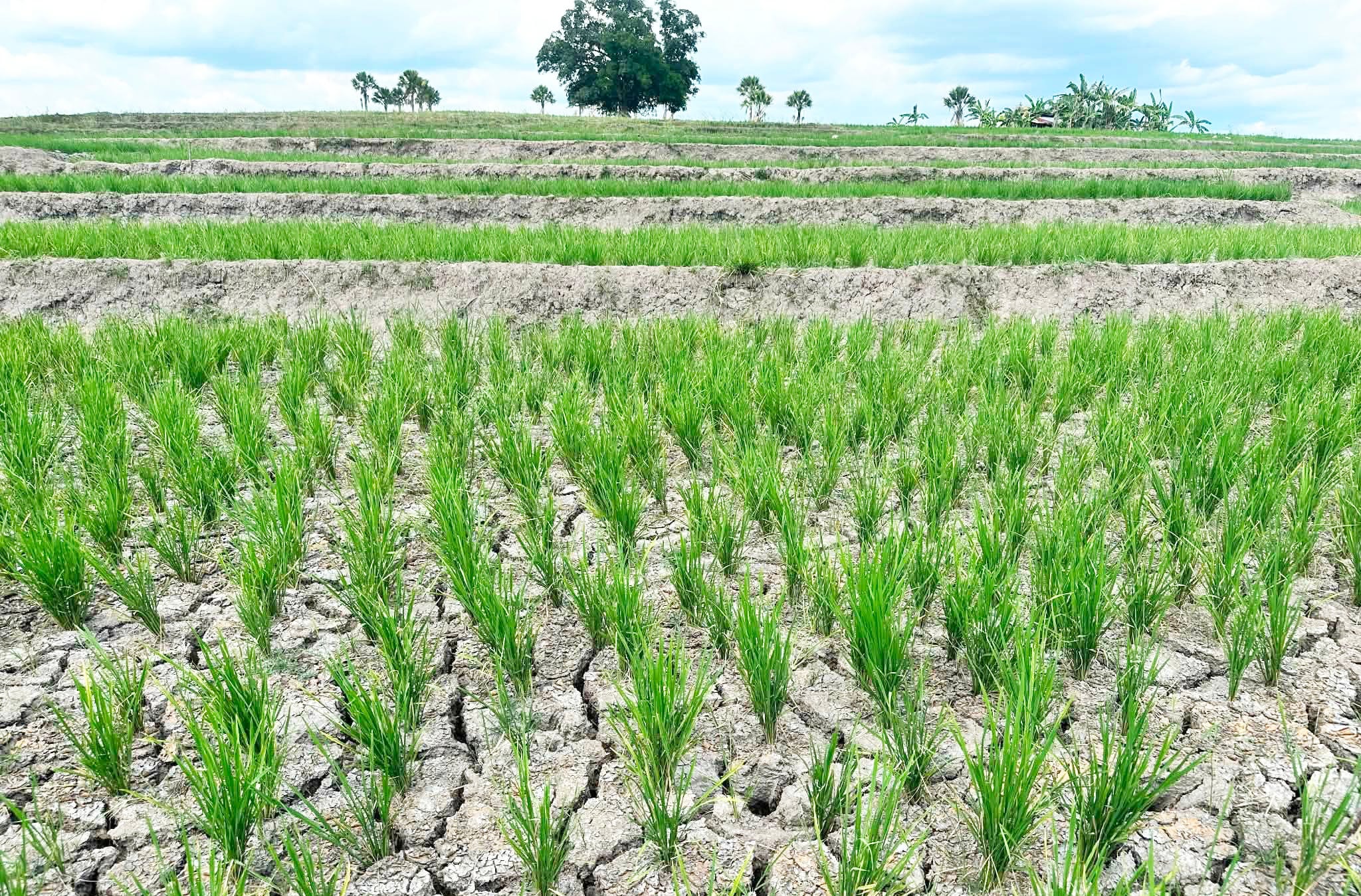
The damage to agriculture in the Davao Region has reached around P117 million due to moisture stress brought by the extreme heat.
The Department of Agriculture-Davao (DA-11) explained that moisture stress occurs when plants receive insufficient water needed for growth.
“Ang moisture stress, lesser rain sa area kulang ang tubig na required by the plant,” DA-11 Disaster Risk Reduction and Management Alternate Focal, Joedel Leliza, said.
DA-11 said since January 2026, agriculture losses already reached P117 million, particularly in Davao del Sur and Davao City.
The damage to rice fields was pegged at P76 million, followed by corn at P26 million, and high-value crops at P14 million.
“The bulk of the damage nasa Davao del Sur sa Matanao ug Bansalan. I personally validated those areas. Nakita gyud namo nga naapektuhan na gyud ang mga areas nga dili na maabtan sa tubig. Even though irrigated siya, dili na maabtan sa tubig kay sa initial distribution nahurot na gyud siya,” Leliza added.
The agency is now processing assistance for farmers affected who incurred losses.
Aside from this, authorities are also validating P783 worth agricultural damage in Davao del Norte, Davao de Oro, and Davao City.
Farmers expressed concern over the possible effects of the dry spell.
A cacao farmer, Titing Bantaya from Davao City, said buying prices went down. He said wet and dry beans now sell for only P58 per kilo and P160 per kilo, respectively, down from P300 to P500 per kilo in previous years.
“Ang production sa prutas maoy una maigo kay minus kay wa namay dahon di naman mamunga maghulat na pud tag ulan nga modahon balik then makabulak dayon mamunga,” Bantaya said.
DA-11 has prepared funds, including allocations from its Quick Response Fund (QRF), to support affected farmers.
“We have 1 billion nakastandby sa DA if mahurot ang 1 billion we can always ask a replenish sa DBM if mahurot ang qrf we can access the national disaster management council nga fund dugay dugay siya maaccess but makarequest ta didto especially nagcommit sila na if ever naay mga damage makaprovide gyud sila,” Leliza said.
The agency also continues its weekly monitoring of soil conditions and irrigation systems and has prepared buffer stocks and water management measures to mitigate the impact of the prolonged drought.