

 GMA Brandtalk
 Tracking
 Archives

‘Mexican Modernity’: Meeting our twin from North America
A country is colonized by Spain, invaded by the United States (and then once more by another country), then gains independence—only to fall into the clutches of a dictator.
Sounds a lot like the Philippines, but this is in fact a very condensed history of Mexico. The difference is that they were attacked by the French and we were attacked by the Japanese...but we more or less share a common experience of being oppressed and struggling to answer the question, "Who are we?"
Traces of Asia in Mexican art
— Aya Tantiangco Miura (@ayaruim) September 17, 2016
Did you know that the original inhabitants of Mexico were from Asia? pic.twitter.com/GOaDmgg5RH
The indigenous culture in Mexico was literally squashed by Spain's arrival. Gregorio Luke, curator of the "Mexican Modernity" exhibit at Yuchengco Museum, revealed that churches were built on top of non-Catholic temples—a clear picture of dominance and solid evidence against any claims of benevolence on the part of the colonizers.
Through the exhibit, Luke illustrates Mexicans' quest to form a Mexican identity in art. The owner of the collection, Dr Richard Zapanta, has himself embarked on that journey. Zapanta is a fourth-generation Mexican who no longer has any relatives in Mexico. The history imbued in the masterpieces and murals introduced Zapanta to his heritage and became his family. In touring his collection, he hopes that people find the same inspiration in the paintings.
Dr Richard Zapanta hopes that his collection "highlights the commonality between Mexico and PHL" pic.twitter.com/pxYwMFDPi3
— Aya Tantiangco Miura (@ayaruim) September 17, 2016
On display are 40 pieces by the biggest figures in Mexican 20th century art, from early masters like Miguel Cabrera to the three greatest muralists (Diego Rivera, José Clemente Orozco, and David Alfaro Siqueiros) inspired by the Mexican Revolution to second-generation muralists like Francisco Zuñiga. The exhibit continues to the La Ruptura and Oaxacan movement.
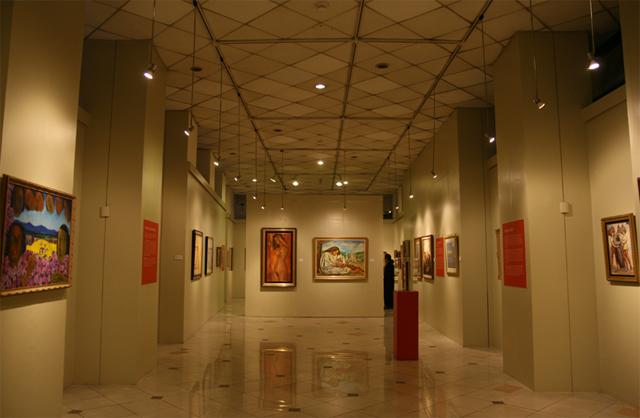
"Mexican Modernity" guides people through the different movements in the country's art and it is impressive that a story can be told through one man's collection. Luke explained that beyond collecting pieces, what Dr Zapanta had done was build a visual narrative.

The European influences, the subsequent rejection of it, and the celebration of the many faces of Mexico is clearly told through the paintings.
Frida Kahlo's sketch tells a particularly interesting story. The illustration is far from the vivid portraits done by the artist. It instead shows Kahlo belonging to a movement she believed in, a collection of artists fighting for an independent Mexico.
Luke discusses Frida as both an artist and a communist
— Aya Tantiangco Miura (@ayaruim) September 17, 2016
Viva la vida! pic.twitter.com/rLtrBEn0El
At the time, Kahlo was confined to a wheelchair, but she had marched with people holding the sign "Por La Paz."
Second-generation muralists like Zuñiga continued embracing Mexico's colors—not just the vibrant hues that it is known for, but the darker skin of the people.
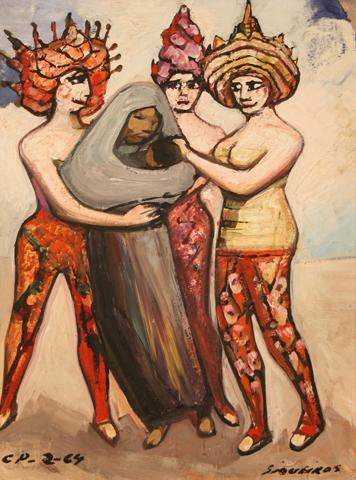
Art was and is instrumental in the quest to reclaim their culture and more interest in Philippine art could bring its history closer to its people.
For example, few people know that there wouldn't be tequila without the Philippines. If not for the Galleon Trade and Mexico being exposed to the distillation process used to make basi, their national drink wouldn't exist.
It is not merely a #PinoyPride claim. Finding our place in history builds an integrity that may wean us out of mestizo worship. "Mexican Modernity" shows that introspection through art is social and it has the power to help create a national identity. — BM, GMA News
"Mexican Modernity" is on view at Yuchengco Museum, RCBC Plaza, Ayala Avenue, Makati City until November 24, 2016.

