

 GMA Brandtalk
 Tracking
 Archives

FilipinaZ pre-Christmas bazaar aims to help communities in need

Magdaleno Gaddi had been sailing off the coast of Samar on for the better part of a decade when Typhoon Yolanda hit in 2013, devastating his town's crops and the factories and looms his neighbors depended on for their livelihood.
Seeing many of his friends and family without jobs, Gaddi decided to use his savings to create Banig de Basey.
The small operation is making ends meet, but like most of the businesses featured in the latest pre-Christmas bazaar arranged by Zonta Club of Makati & Environs, Gaddi hopes to churn up more business to further aid his community.
"Sumasali po ako para mag-grow po yung employment—para ma-sustain ko po yung pang araw-araw na pasahod nila, at tsaka lalo ko pa pong mapalawak yung banig industry dun sa lugar namin," he said.
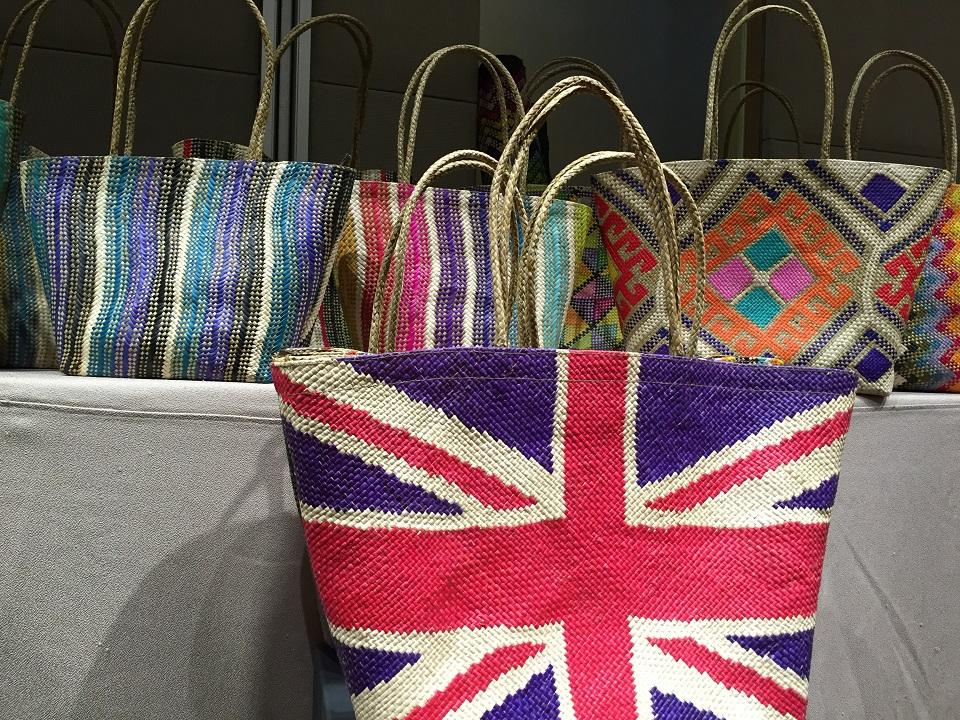
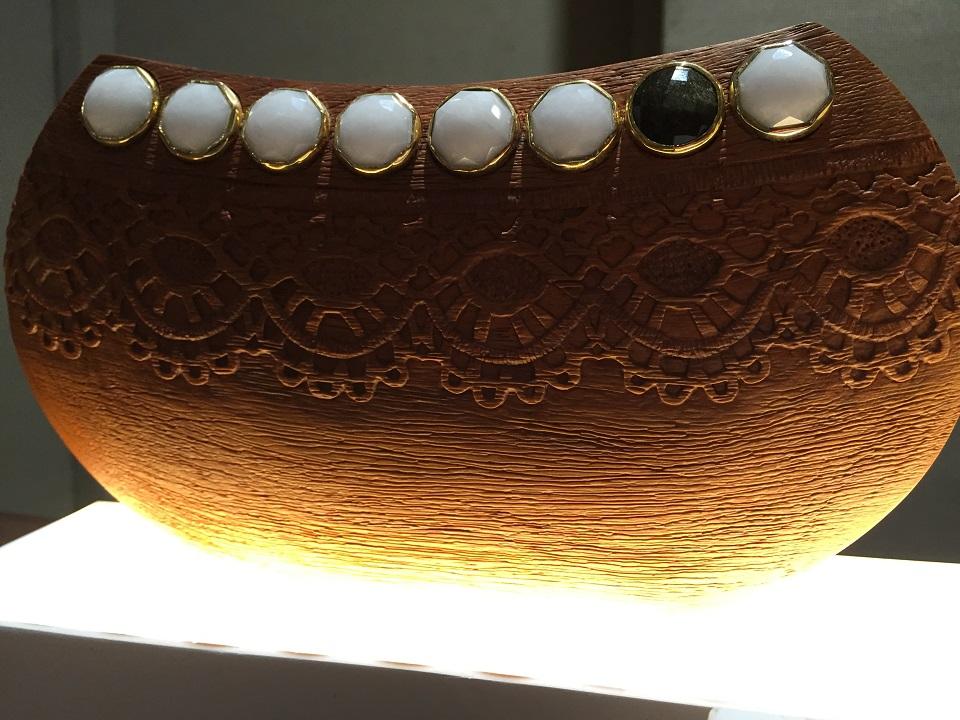
FilipinaZ 2016, the bazaar organized by Zonta Club, promises to feature "some of the top artisans and craftsmen representing different regions of the Philippines" in what it envisions as the "largest, high-end pre-Christmas bazaar" of 2016.
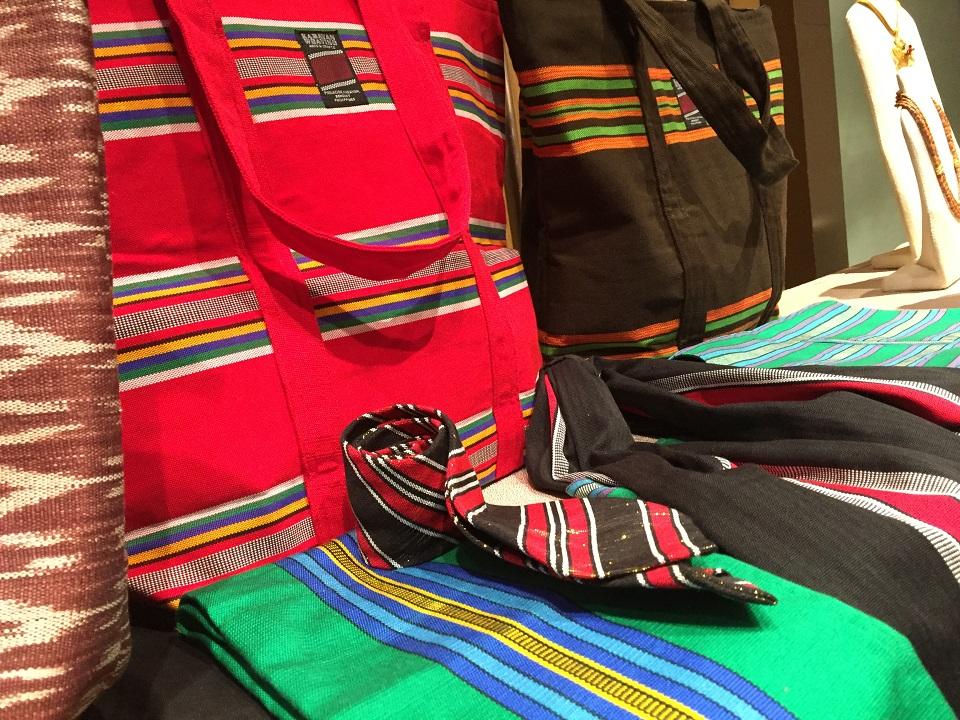
Among the other artists invited to the bazaar is Kabayan Weaving Arts & Crafts owner Maxencia Pili.
Pili established Kabayan in 1994 to help organize women, out-of-school youths, and single parents in Kabayan, Benguet.
While the products of the the community-based venture has reached Japan, Israel, and other countries, Pili believes they still have a long way to go, as they still rely on government agencies to help them with training and equipment.
"It's a good opportunity for us, for the marketing, so we could have more laborers, especially women who do not have work especially during bee season so they have something to do in their homes," she said.
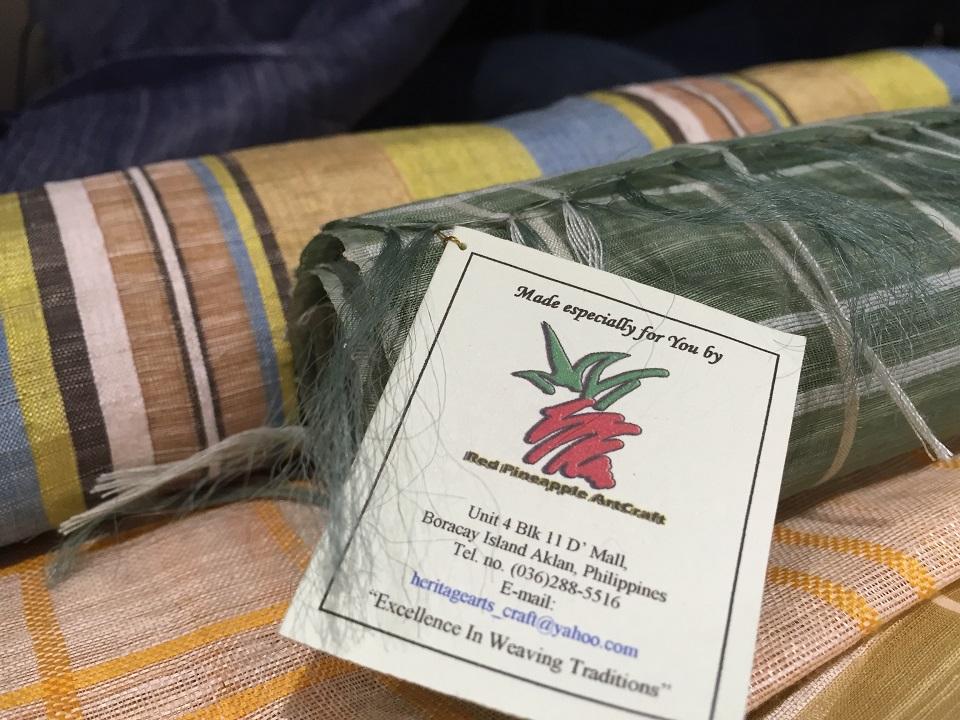
India Legaspi is similarly motivated, though her creation of Heritage Arts and Crafts is more rooted in the promotion of weaving in her grandmother's hometown in Aklan.
"I [help] weavers [develop their skills] so they can also maintain our traditional piña weaving," Legaspi said.
"Sometimes, because of my advocacy, I don't actually think of the profit only. It's more of we want to preserve our tradition of piña weaving so that the industry will not be lost in our time," she added.
With almost 27 barangays to support, trade shows have become crucial in helping Heritage attain its financial goals and continue its advocacy.
"If you have an advocacy, you can still make a profit out of it because you are also helping women, helping people in the community," Legaspi said. "You have to sustain the craft."
Tinukib executive director Cherry Ganancial knows the importance of this balance as their organization was founded to help promote nito weaving by members of Aeta communities in Iloilo and women in Aklan.
Their group also aims to help these communities develop, market, and distribute their product despite logistical difficulties.
"If you're looking into the Aeta communities... they don't have access to internet connection, they don't have the means to communicate to customers, and they don't have the capacity to go out and promote their products," Ganancial explained.
"We believe this is a great avenue to promote the craft and the tradition of aetas and women in Aklan, that it would be of help to them," she added.
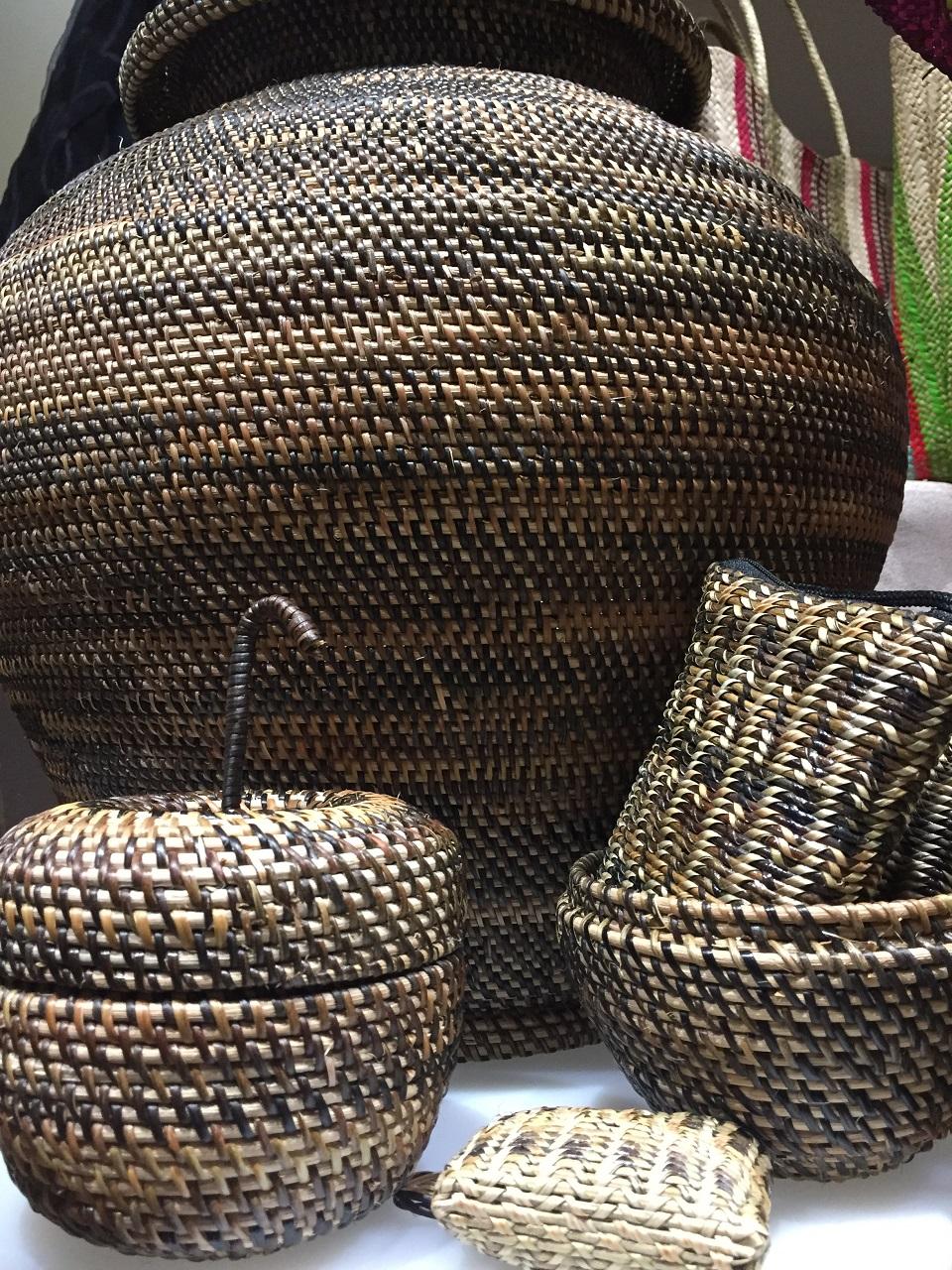
Representatives from Manila include Eccentric Collection, John Carlo Creations, Decena Collection, Contemporaneo Design, and Styliste Bags.
Baguio is represented by Kabayan Weavers; Vivo Handicrafts speaks for Bacolod; Heritage Arts and Crafts works from Aklan; Casa San Pablo features clay figures from Laguna; Tinukib Foundation has nito furniture from Iloilo, and Finali Furniture exports from Cebu.
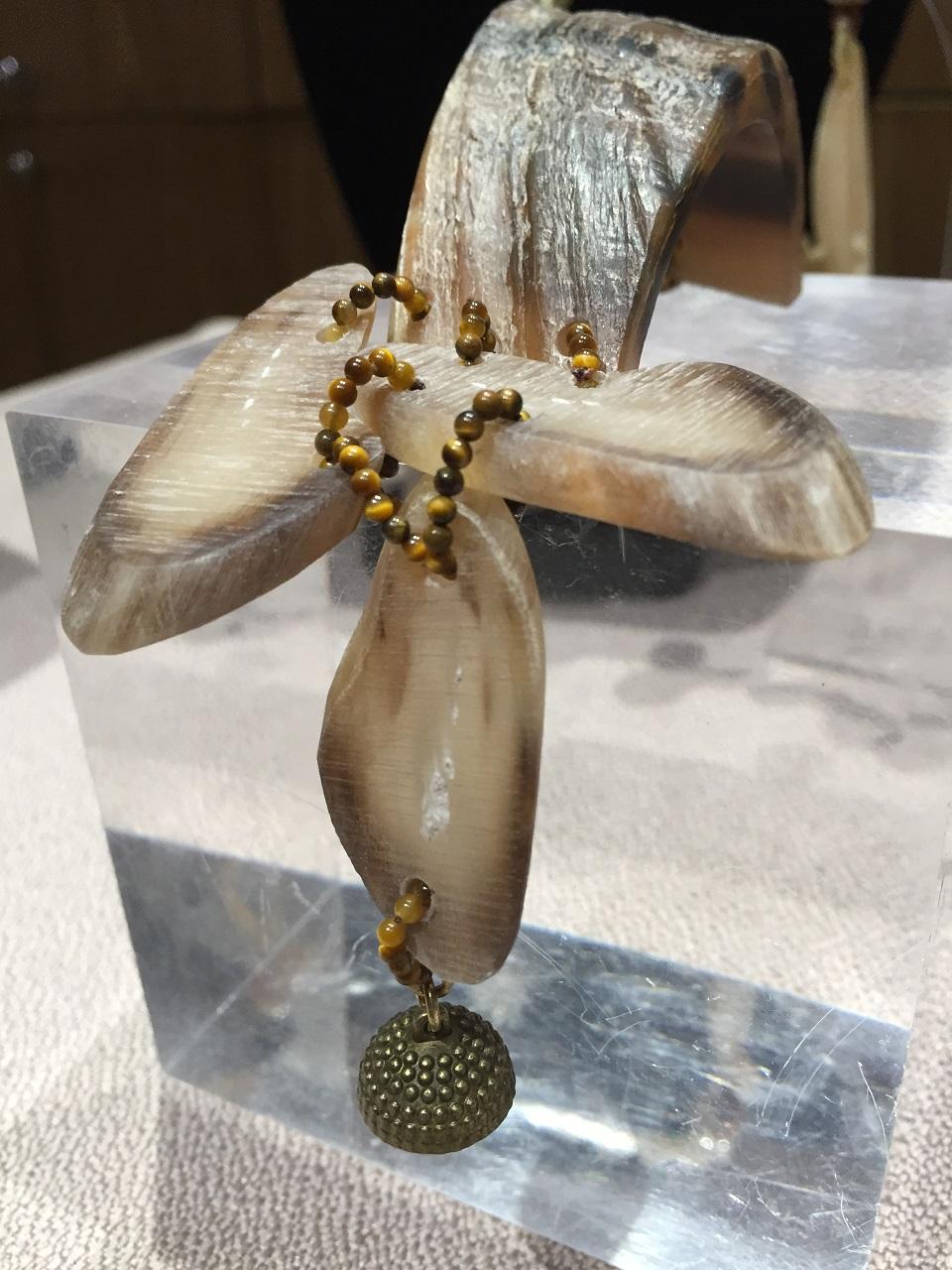

— BM, GMA News
FilipinaZ 2016 will take place at the SMX Aura, SM Aura Premiere, Bonifacio Global City, Taguig City from November 4 to 6.

