

 GMA Brandtalk
 Tracking
 Archives

A vivid ‘Don Quixote’ closes Ballet Manila’s 21st season
Ballet Manila’s 21st performance season wrapped up with the tambourine bells and the swishing matador capes of well-loved ballet “Don Quixote.”
A verified “clap-trapper,” as Ballet Manila artistic director Lisa Macuja-Elizalde puts it, “Don Quixote” is a full-length classical ballet production based on the work of Cervantes. “It’s a ballet where you can’t help but want to dance,” the prima ballerina smiled, snapping her fingers to the tune of the music during a tech run of the ballet.
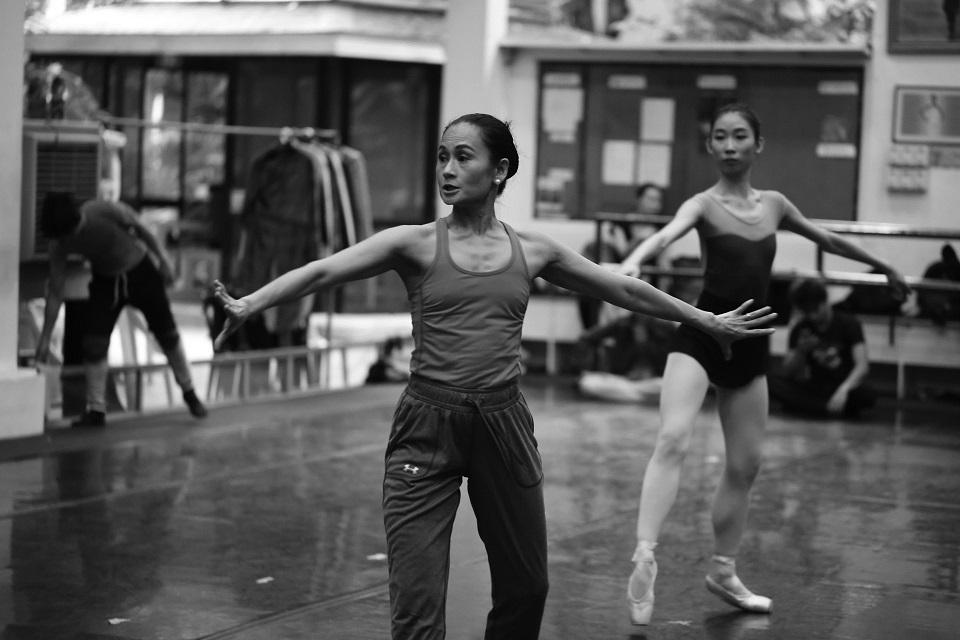
Being the ballet that made her at the renowned Kirov Ballet, “Don Quixote” was a special production for Macuja-Elizalde. However, things were a little bit different this time around, as this was the first “Don Quixote” of Ballet Manila that she did not dance in.
“I can’t help but feel a little bit sad that I have to say goodbye,” she admitted, although she couldn’t be happier to escort the next batch in. “It’s very exciting when you see different ballerinas tackle the role that you’ve learned so much from.”
The ballet's signature Spanish flair means that other than precise technique, the dancing requires just as much artistry and expression, maybe even more. “Don Quixote” is also a light and comic ballet, with plenty of mime and theatrical scenes.
The female lead role of Kitri was performed by Katherine Barkman, Dawna Mangahas, and Jasmine Pia Dames, who all performed the role for the first time in a full-length ballet. Basilio, the male lead, was performed by Rudy de Dios, Gerardo Francisco, and guest dancer Mikhail Martynyuk, principal of the Kremlin Ballet Theater in Russia.
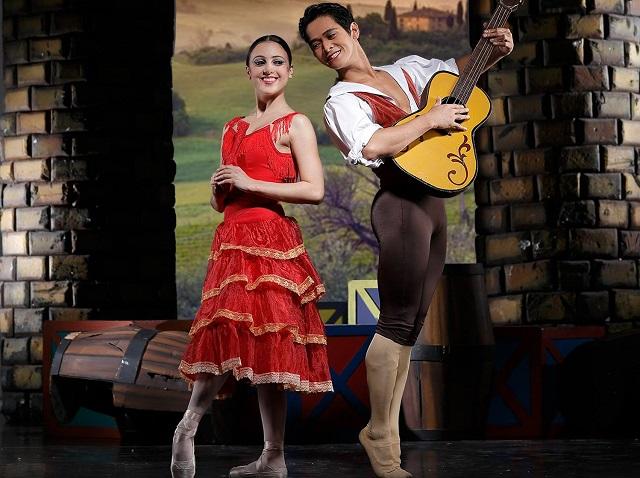
The technical difficulty of the ballet has turned its many dances into standard competition pieces, which Ballet Manila’s leads delivered in full aplomb.
Katherine Barkman was explosive as Kitri, finishing the challenging 32 fouettes in the grand pas de deux with a perfectly pulled-in pirouette. The petite Pia Dames, Ballet Manila’s newest lead, sparkled in Kitri’s variation, and elicited gasps from the audience with a balance held for more than 5 seconds in the grand pas de deux.
Although previously unannounced, Dawna Mangahas dazzled in perfect form, performing in a special Sunday morning show, her joy onstage infectious, despite nursing an injury.
The male leads were also on pointe as Basilio, with Rudy de Dios’ excellent comedic timing and expressive dancing, and Gerardo Francisco with a dashing, more mysterious take on the role. Guest artist Mikhail Martynyuk’s long lines and expert footwork were difficult to beat, and newcomer Rudolph Capongcol held his own, even amongst the veterans, with deft partnering and promising technical precision.
Despite the various political events over the EDSA weekend, audiences—students in particular—were not deterred from the theater and still came in support of the ballet. Macuja-Elizalde believes it might be because “Don Quixote” is very close to the Filipino soul. “We have a lot of this Spanish fire [in our blood],” she said, referring to the many Spanish nuances in the ballet that come naturally to Filipinos.
Macuja-Elizalde believes that the story of Don Quixote is very Filipino, and perhaps why the show is always a sure hit. “The father is ambitious, he wants a good marriage for his daughter. He prefers the rich dandy rather than the poor barber. And of course, Don Quixote is in search for his ideal woman,” she said.
“The Filipino is a very happy race, full of artistic temperament and warmth, and that spirit is there. That’s in Don Quixote.” — BM, GMA News

