

 GMA Brandtalk
 Tracking
 Archives

'Assembling Alice' book review: How to give birth to your own lola
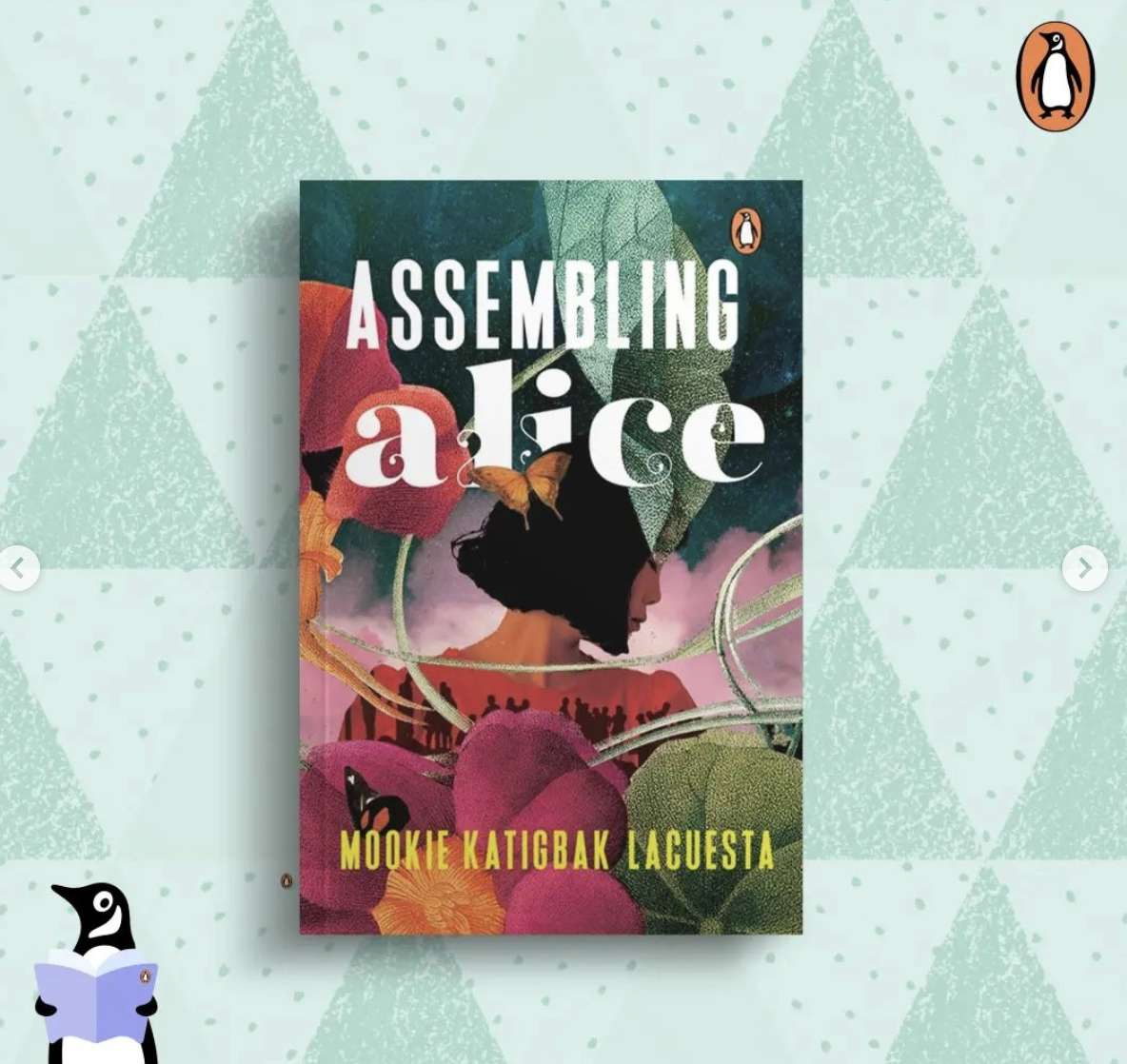
Author Mookie Katigbak Lacuesta never met her stunning, cerebral, musical, and headstrong grandmother, but now we all can, through her evocative new novel.
“Assembling Alice” opens on the cusp of World War 2, recreating the sense of foreboding amid the merrymaking and lifestyle rituals of Manila’s oblivious Filipino elites. Mining this cataclysmic period for its potential for class-based dramas, Lacuesta seems to pay homage to “Oro, Plata, Mata,” the iconic film directed by Peque Gallaga about the impact of that war on aristocratic families.
But then Lacuesta flashes us even further back to a more carefree epoch long known quaintly as “peacetime,” the colonial-era commonwealth period when the Alice in the story is born out of wedlock. That rarely explored genteel era presents an even longer dramatic runway to the wartime tragedies that would befall the country still pining for independence, and would strike Alice herself in horrific fashion. By that time, Alice has come of age as a beguiling and talented pianist. Despite her trauma, she retains a magnetism that captures the hearts of a Japanese spy and an American soldier, both of whom save her in separate ways.
I was more than halfway into this war romance saga when I began to suspect that some of the characters had real lives (I had intentionally not read any summaries or reviews of the novel before starting it).
It turns out that the main character Alice Feria was the author’s grandmother, a pioneering post-war journalist and editor who turned her women’s magazine into a platform for nationalist screeds.
Since her lola died long before she was born, Lacuesta could rely only on family memories and Féria’s writings to shape her literary character. Most of her lola’s photos were even destroyed in a flood. By blending what she knows as facts about the family and the war era with how she imagined Feria lived and felt, Lacuesta fabricates fine historical fiction by way of a personal passion project.
“Assembling Alice," published by Penguin Random House SEA, spotlights little known facets of wartime life – the pressure on performers and musicians to serve the Japanese cause, the complicated loyalties of Japanese migrants in the Philippines, the contributions of European refugees who fled Nazi terrorism only to find themselves in another cauldron in the Pacific, and the fate of civilians caught in the crossfire. All of that and more are part of the milieu that a tormented Alice had to survive. That she did and eventually thrived after the war helps explain her granddaughter’s longing to know her.
Lacuesta’s quest is recognizable. Many of us are intrigued, and sometimes obsessed, by certain ancestors who, even if obscure or not-so-famous, are illustrious in our eyes. (I myself have never stopped wondering about my great grandfather who performed in zarzuelas in Negros before joining the 1898 revolutionary movement)
That obsession is often accompanied by a gnawing regret that we never met these family legends, we still don’t know enough about them, and we will probably never fill that excruciating gap in our consciousness. In most cases, they will forever be an enigma.
Fiction writers are probably uniquely capable of addressing this void through a genre known as “biographical fiction.”
Fictionists can freely extrapolate based on existing knowledge and build a rich portrait of an ancestor with emotions, personality traits, and life-changing episodes that may or may not have happened in the ways these were written. But the reader comes away anyway with an intimate literary encounter with a fully formed human being that the author birthed, the literary mother to an ancestor.
That’s what Mookie Katigbak Lacuesta did in “Assembling Alice.”
— LA, GMA Integrated News

