

 GMA Brandtalk
 Tracking
 Archives

What is a Filipino?
Back during the Great Lockdown, the height of the pandemic when much of the world was stuck at home, I received an enthusiastic query from a Filipino students organization at a US university: Could I talk to them via Zoom about Baybayin, a Philippine native writing system?
When I did finally speak to their group, I realized how diverse their community was — a few were Filipino immigrants but many were American-born and of mixed ancestry: Filipino and something else.
But all were there at that long-distance meetup because they were interested in their Filipino identity and wanted to explore it more deeply. I could relate to that.
I spent 11 years of my youth in America, often the only brown face in a group or crowd, at first unsure whether I preferred to blend in or stand out. When my family moved back to the Philippines, I couldn’t speak Filipino and had difficulty adjusting. I didn’t know what I was.
As I got older, I made a conscious decision to be Filipino and explore what that meant. Perhaps I would have done the same thing if I had never left the Philippines. But living overseas, there’s always a reminder that having Filipino blood made you different, not the same. It could of course elicit shame in a society with a racist history. But those who choose to deepen their understanding of their heritage, including the broad context of the social ills that bedevil Philippine society, usually end up with more pride than anything else.
Much later, years after deciding that the archipelago would be my home, I took a break from a career in the Philippines to spend two years living in Berkeley, California where I was immersed in a Filipino-American community full of young people connecting because of a common heritage. They were learning how to play kulintang and dance tinikling, listening to Joey Ayala, discussing Philippine issues, and even romanticizing a homeland many had never even visited yet.
Coming home after that overseas sojourn made me prouder of my own identity. I was happy to be home, but none of the youths I knew in the Philippines were learning the kulintang or dancing the tinikling.
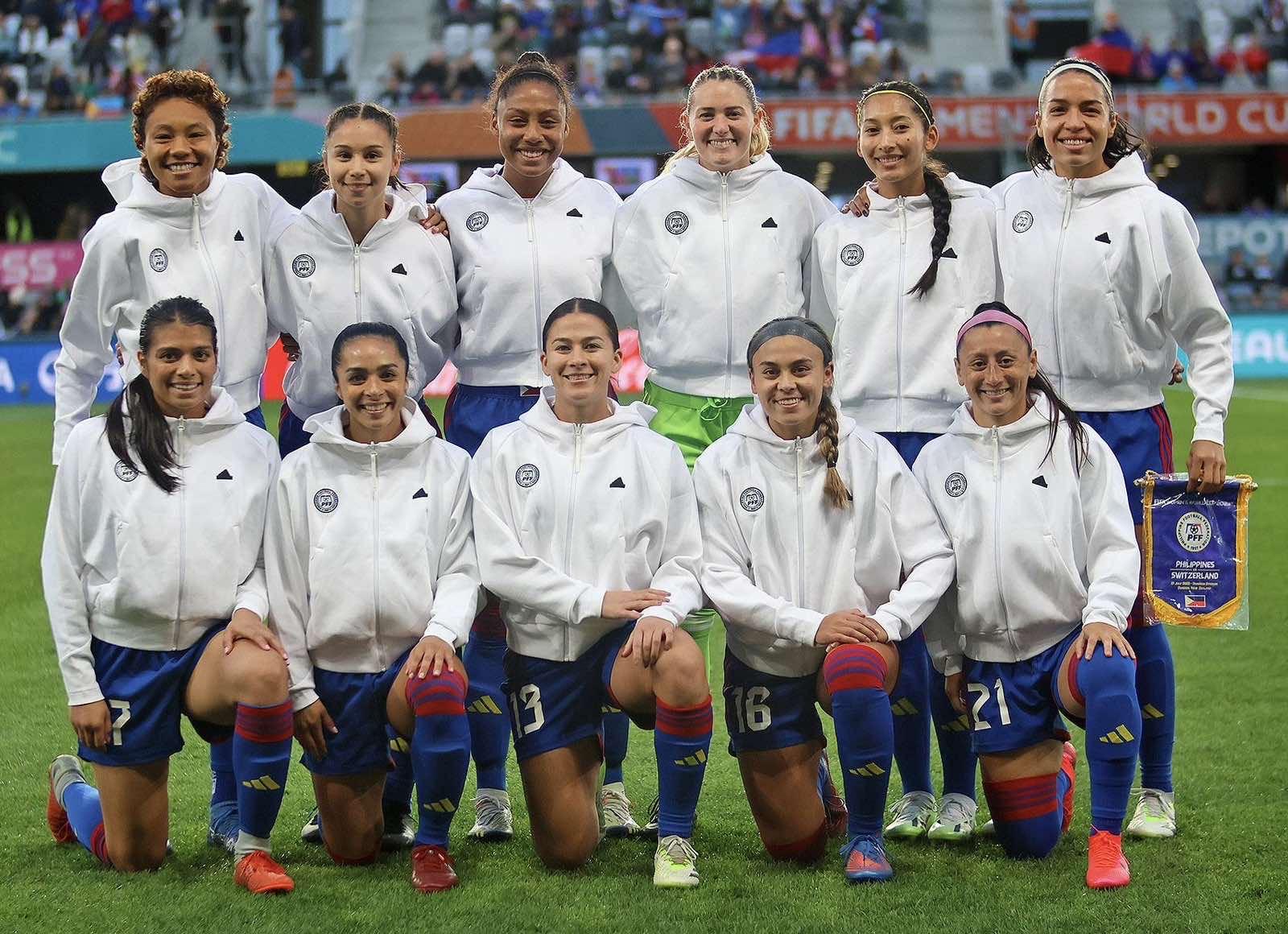
These memories swirled in my head as I read some recent commentary about whether the surprising Philippine women’s football team at the World Cup was really Filipino or Filipino enough, with only one player born in the Philippines and the rest born elsewhere with one or two Filipino parents, and 18 out of the 23 on the roster being Filipino-American.
Was it really a Philippine team or, as one snarky headline put it, the second US team at the World Cup?
First of all, the World Cup’s underdog sweethearts, the Filipinas, were recognized internationally as the Philippine team. And the players, by virtue of having at least one Filipino parent, were all Filipino citizens, nearly all of them dual. They came from Australia, Canada, and Norway, in addition to the Philippines and the U.S.
The party poopers who questioned the players’ authenticity as true Filipinos were nearly all born and raised in the homeland, and still live here. The implication was those who weren’t born and raised here were not “real Filipinos.”
Those who love this country from far away should be the first to dispute that notion, but local bigots shut them up by suggesting they somehow abandoned the country by living overseas, and still claiming to be Filipino while not suffering the slings and arrows of life in the homeland.
In this diasporic age, when millions of Filipinos have migrated and live in over a hundred countries, being Filipino is more than a matter of citizenship, and no longer defined by where you live and even where you were born. It’s a state of mind. It’s a desire to belong to a community of other Filipinos. Sometimes one doesn’t even need Filipino blood, like my beloved high school teacher, Fr. James O’Brien, who was born in New York but chose to live nearly his entire adult life in the Philippines before dying here, and became an expert on Bicol history and culture. Who’s to say he was less Filipino than those born here but couldn’t care less?
Many of those in overseas stadiums at the World Cup cheering on the Filipinas may have left the homeland long ago. But they wanted so much for the Philippines to win, inspired by young and talented Filipinas of various colors who came together from around the world to play their hearts out and proudly represent a global Filipino community. — LA, GMA Integrated News

