

 GMA Brandtalk
 Tracking
 Archives

From beads to sleeves, tracing the evolution of Philippine fashion
From the Bagobos of 1903 to the latest reinvention of Philippine fashion, one element stands out among the clothes, photographs, and sketches in the latest Metropolitan Museum of Manila exhibit—extravagant detailing.
The earliest photo in the collection, for instance, shows a Bagobo man in Davao Del Sur wearing the oompak ka mama or men’s jacket with beads and appliqué and a headpiece called tangkulo on his long hair. The sepia photograph by Dean C. Worcester depicts the richness of culture during the early 20th century, evidence that early Filipinos share the same aesthetic in terms of design and styling as the current crop of Filipino designers.
At its best, the Fashion Take: Images of Philippine Dress 1903-2012 exhibit held at the SM Mall of Asia showed the timeless nature of certain styles. The collection moves on to SM Pampanga from June 23 to 29.
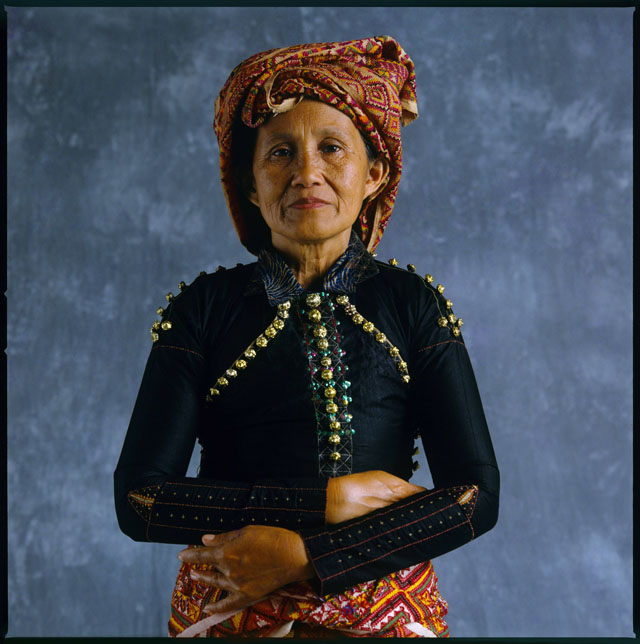
The idea of touring the exhibit is appropriate, giving Filipinos outside the capital the chance to appreciate their ethnic origins. In the north for instance, the Bugkalots in Quirino and Nueva Viscaya provinces are represented in a 1940s photograph that show a shared interest in “excessorizing” (piling accessories) as present-day fashionistas. There’s also an inclination towards understated clothing, with both males and females wearing unevenly layered skirts and loincloth.
In Southern Kalinga, Wig Tysmans took a photo of a couple dressed in tubular garments that showed how ethnic communities take pride in their traditions. The lady is wearing a dress and a double strand bead necklace called winayway. Among the Kalinga, wearing beads is an important part in rites of passage including birth, puberty, and marriage. These are handed down through the generations and used in everyday life.
Choice of designers
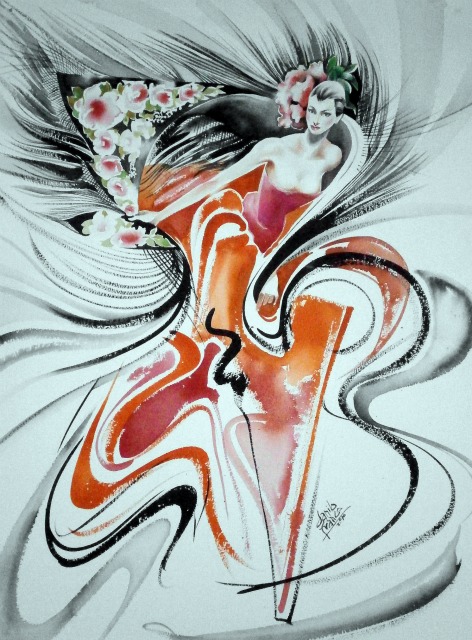
One of the modern designers who dared to reinvent traditional styles is Barge Ramos, who made a sketch using the indigenous ikat woven fabric. In his modernized version, the traditional garment is transformed into trench coats and paired with shorter dresses.
Some parts of the country are not represented in the exhibit, such as the Visayas. There’s also a limitation in terms of designers, who are mainly the ones who celebrate and bring Philippine fashion to a level where traditional garments can stand out in a crowd full of western clothing.
“The designers were chosen because their works have always been informed by Philippine ways of dressing, fabrics, and surface embellishments and to this day they continue to use such information in their designs,” said Fralynn Manalo, Marketing and Press Relations Officer of the Met Museum.
.
Muses and Maria Clara
In the gallery, the gowns were displayed outside a boxed structure where the sketches and the photographs were hung. The illustrations with muses or models were on the left side, while historical ones are on the right.
One of the sketches on the left side was Toni Galang’s ‘Butterfly Sleeves.’ The lady in the illustration is a poised and elegant Filipina woman holding a black umbrella with silver and gold details. It portrays a hand-dyed burgundy jusi material with hand-embroidered baroque design along the hemline and sleeves.
There are also photographs of Hollywood actress Sharon Stone wearing a black and white chiffon gown by Ito Curata for a magazine cover, an acknowledgement that Filipino talent has reached the global market. Muses are important for every designer. They are usually supermodels, actresses, and known personalities who carry the brand’s name and epitomize the aesthetic of the designer.
On the right side, an illustration from Barge Ramos showed a modern version of the Maria Clara dress with the model wearing a bun hairstyle and choker. The gown has embroidered oversized sleeves and the traditional shawl, and the striped long skirt is covered with another solid layer. The model is holding a fan to symbolize the image of Maria Clara as ‘the conservative and the shy lady.’
The late 1950s is represented in the SLIM’s collection. There’s an unusual interpretation of the Filipiniana for Elvira Ledesma Manahan in an off-white nylon jersey cocktail dress and a beaded kimona overblouse, with an alampay or the traditional kerchief over one shoulder.
Historical Philippine design remains alive in present-day fashion. Designers are using traditional patterns to create a new wave of modern Filipino identity, showcasing the role of culture in the fashion industry.
The Met exhibit traces how Filipino designs have progressed through the years, and how designers are going back to their roots in creating new and fresh takes from traditional styles. But more importantly, it shows how the richness of Philippine culture has meshed well with the talent of Filipino designers. – YA, GMA News

