

 GMA Brandtalk
 Tracking
 Archives

Spa indulgence: Top-to-toe pampering
There are so many good reasons to visit a spa: to treat yourself to a relaxing body scrub therapy and massage, relieve stress, or lose weight.
While one may dream of getting a massage at a spa every day, it is actually not advisable health-wise.
Rhein, an attendant at one of my favorite spas, the Pahulay Spa near SM Makati, said the ideal number of times to get a spa is once a week, or a maximum of twice a week. She said clients should also seek medical advice before getting a massage, which may be harmful instead of beneficial to some people with certain medical conditions.
The International Spa Association (ISPA) defines spa as “places devoted to overall well-being through a variety of professional services that encourage the renewal of mind, body and spirit.”
Depending on the type of spa, the services they offer may include: aromatherapy, facials, massage, nail care, body hair removal, hot spring bathing, hot tub bathing, mud bath, sauna, steam bath, body wraps, as well as nutrition guidance.
To choose the best spa for your needs, ISPA suggests knowing the main types of spas and the services they offer. The primary types of spas include:
- Club spa – mainly for fitness purposes.
- Day spa – a spa that offers professionally administered spa services to clients on a day-use basis.
- Destination spa – aims to help spagoers transform their lifestyles and develop healthy habits; its comprehensive program may include fitness activities, wellness education and healthful cuisine.
- Medical spa – a facility with licensed health care professionals.
Spas around the world
The word “spa” originated from the term “espa” in Walloon—a Romance language in Belgium—and the Latin word for “spagere,” meaning to moisten or sprinkle.
The US National Library of Medicine says the term spa may also have been an acronym for the Latin phrase “sanitas per aquas,” meaning health through water.
Bathing in thermal water for therapeutic purposes has been a practice since ancient times. Throughout the world, civilizations have acknowledged the healing powers of water. “To the ancient Greeks, [water] was the elixir of life,” author Stephanie Donaldson said in her book “Home Spa.”
While spas were popular in Ancient Greece, it was actually in Egypt where most spa beauty treatments and grooming tools are believed to have originated.
The website SpaTrade says, “On display at the Cairo Museum [in Egypt] are excavated beauty items such as: the first tweezers, combs, mirrors, intricate hair extensions and wigs, wands used to rim the eyes with kohl made from the soot of burned candles, perfume bottles filled with essential oils extracted from the sacred blue lotus flower and pots of iridescent eye shadows.”
As early as 3,000 BC, when the Egyptians were just starting to develop a writing system, they were already well-versed in the health benefits of essential oils and spa treatments. Even Egyptian palaces at that time already had spas.
“Egypt has rich therapeutic environments that attract people from around the world to enjoy its sand, climate, natural mineral water, and sulphuric springs that cure numerous bone, muscle, kidney, skin, and stomach diseases,” according to the website of Egypt’s Spas and Hot Springs.
Ideal spas
- types of services a spa offers
- how well the staff treats its clients
- how knowledgeable the staff are
- proximity to one’s residence or office
- rates
Since I reside in southern Metro Manila, my top spa choices are in Makati and the Mall of Asia in Pasay City.
Aksem Reflexology Center. This one is my all-time favorite place for getting a massage in Makati.
- P650 for a 30-minute sauna bath plus an hour of body massage
- P850 for home service
- P450 for lavender or peppermint massage
- P350 for MontAlbo massage (combination of Swedish, Shiatsu, and Thai massages)
- P380 for Traditional Filipino Hilot
- P650 for Coffee Scrub with one hour massage
- P850 for Body Glitter Scrub with one hour massage
- P300 for one hour body massage
While getting a professional spa service is great, it is actually possible to have your own home spa.
To create your own home spa, you will need:
- Healthy foods for detoxification – Consider drinking mint tea or eating fresh fruits and healthy salads (not all salads are healthy; choose those with low-calorie dressings).
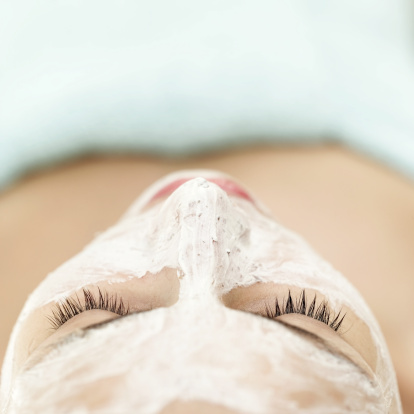
- Facial scrub treatments – You can buy these at drug stores or wellness shops but you can also make your own facial masks from items you may find in your kitchen. Take, for example, the parsley mask—made from parsley, oatmeal, egg white, and lemon juice. The Internet abounds with recipes for facial scrub recipes of your choice, depending on your health concern.
- Aromatic shampoos – Part of a rejuvenating home spa regimen includes hair treatments to bring shine and life to your hair. Buy aromatic shampoos or create your own using no-fragrance shampoos and adding an aromatic oil such as ylang-ylang, chamomile or tea tree (especially for those with dandruff or scalp problems).
- Shower treatments – Indulge yourself in a refreshing dry skin brushing followed by a deep cleansing shower using aromatic soaps
- Massage – What would a spa be without a massage? You can massage yourself with oils and lotions or you might want to consider buying a massage chair (may cost P100,000 or more depending on the type of chair).

