

 GMA Brandtalk
 Tracking
 Archives

PHL animation industry looking ‘very rosy’ – exec
They don’t make cartoons like they used to.
When I was many decades younger, my favorite animated TV show was this prehistoric but futuristic super family from the planet Quasar called the Herculoids. The leader of this humanoid family was Zandor; his wife was Tara, and their son was Dorno. They protect their planet from evil entities with the help of creatures like Zok, a flying space dragon that emits laser beams from his eyes and tail; Tundro, a rhino/triceratops hybrid that can shoot explosive energy rocks from his cannon-horn; and Gloop and Gleep, two protoplasmic creatures that can absorb and deflect energy blasts and laser beams. Gleep was my favorite. I wanted my very own Gleep.
Many of us from the Herculoids generation lived and breathed Hanna-Barbera productions, those cartoons of old like Space Ghost, Mighty Thor, Johnny Quest, The Jetsons, The Flintstones, Yogi Bear, and Josie and the Pussycats. Beyond Hanna-Barbera, there was that irrepressible Mighty Mouse, created by Terrytoons. My first robot cartoon was an American adaptation of a Japanese manga: the remotely controlled Gigantor, who could fly but could not speak, and assembly to the tune of theme music was not required.
Some of these cartoon shows still live through revived airings every once in a while. But most have been relegated to the archives bin to make way for more contemporary ones.
These days, cartoons look and feel different. They’re smoother, faster-paced, even funnier. Their themes appear more relatable, though sometimes controversial, like the off-color jokes by the constantly bickering Ren and Stimpy. But perhaps today’s cartoons reflect an age when people are more outspoken, more open to diverse concepts and ideas, with more relevant issues being infused into their plots, when wit and humor come from another perspective.
Dream weavers
About 500 of these remarkable Filipino artists can be found wielding their creative magic and technical mastery in the cavernous studios of Top Draw Animation (TDA). Established in 1999 by Hanna-Barbera alumnus Wayne Dearing, TDA is a force to reckon with when it comes to 2D and Digital animation. The company has been providing pre-production and production services for the past 15 years for shows like My Little Pony, Monster High and Astroblast.
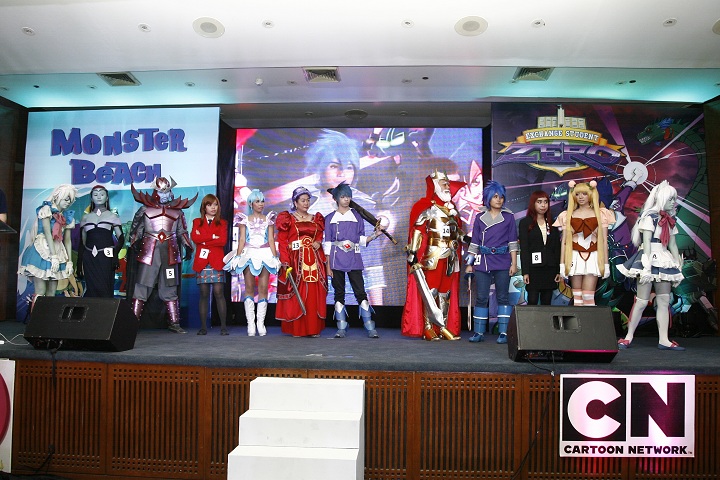
TDA’s latest collaborations with Cartoon Network and Australia's Bogan Entertainment Solutions are two new programs that kids between two to 12 years old might find quite engaging. The first one, Monster Beach, is a comedy adventure set in a “paradise that’s full of freaks,” where Jan and her brother Dean encounter monsters that try to scare them out of their vacation. Monster Beach will begin airing on October 31.
The second one is the anime comedy adventure Exchange Student Zero. Scheduled for airing in mid-2015, this show revolves around the story of “two boys who bring an anime character to life and pass him off as an exchange student.”
At a recent event where these two shows were launched, Silas Hickey, creative director, Asia Pacific Animation Development, Turner International Asia Pacific, extended an invitation to budding Filipino artists to join this creative industry, encouraging them to “look for something cool that has never been done before.” Hickey exhorted: “Cartoons are an art form where you can do the impossible.”
In the spirit of cartoon fun, a cosplay competition was held among TDA’s artists, with characters from the two upcoming shows as their pegs. Edwin Ong won over other entries, with his faithful adaptation of King Karuta from Exchange Student Zero.
In a statement, Dearing remarked about how the competition showcased not only the artists’ creativity, but also their fervor for getting into character. He said: “Today’s talent show was a chance for our local staff to show the passion that they pour into their work. There’s plenty of creativity here in the Philippines, and with support from global networks...the animation industry here is looking very rosy.” — BM, GMA News

