

 GMA Brandtalk
 Tracking
 Archives

ADVERTISEMENT
Filtered By: Lifestyle
Lifestyle
Dutch King and Queen welcomed by Japanese Imperial Family
+
Make this your preferred source to get more updates from this publisher on Google.
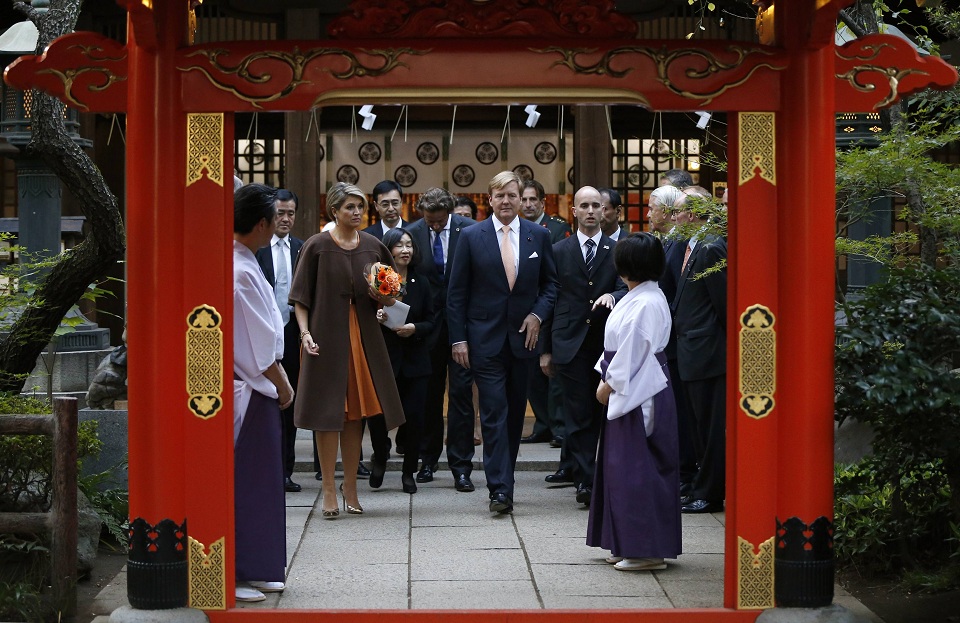
King Willem-Alexander and Queen Maxima of the Netherlands are led by shinto priests as they visit Atago Shrine in Tokyo on October 29, 2014. The Dutch royals are in Japan for a six-day visit. REUTERS/Issei Kato
The Dutch royals arrived in Japan a day earlier on their second state visit since the King succeeded his mother Queen Beatrix on April 30, 2013. Their first trip was to Poland earlier this year.
The royal couple were welcomed by hundreds of children waving flags and a military band playing music. After reviewing an imperial honor guard, King Willem-Alexander was greeted by Japanese delegates including Finance Minister Taro Aso.
Crown Princess Masako's appearance caught the attention of local media, as it was her first public appearance in five years.
A former diplomat, she has been largely absent from public functions for five years, suffering a mental disorder officials have said was caused by the stress of adapting to palace life.
She will also attend her first banquet in the Imperial Palace in 11 years later on Wednesday, the Imperial Household Agency said.
The Crown Prince and Crown Princess are believed to be close to the Dutch King and Queen. They attended Willem-Alexander's coronation in Amsterdam last April in what was Masako's first overseas engagement in 11 years, news agency Kyodo News Agency said.
The royal visitors will also attend an official dinner with Prime Minister Shinzo Abe during their 4-day stay in Japan before heading to South Korea on November 3.
The king said this month in a meeting with Japanese media in The Hague that he hopes the state visit will help deepen bilateral ties in coping with challenges the two countries face, such as the aging of society and food security. — Reuters

