

 GMA Brandtalk
 Tracking
 Archives

The power of charisma
Whether one is running for a position in the boardroom or in the political arena, there is always that one factor that counts the most. It’s often undefinable. For the lack of a better term, it’s called the X factor. Some people have it, many don’t.
It is common to struggle with the definition of charisma, and we often refer to luminaries like Oprah or Obama as famous examples of charismatic people.
What is charisma? The Oxford Dictionary describes it as a "compelling attractiveness or charm that can inspire devotion in others." It adds that the word comes to us via ecclesiastical Latin from the Greek "kharisma", from kharis, meaning "favor, grace"—with the goddess Aphrodite's attendant, Charis, representing the very human qualities of charm, beauty, and creativity.
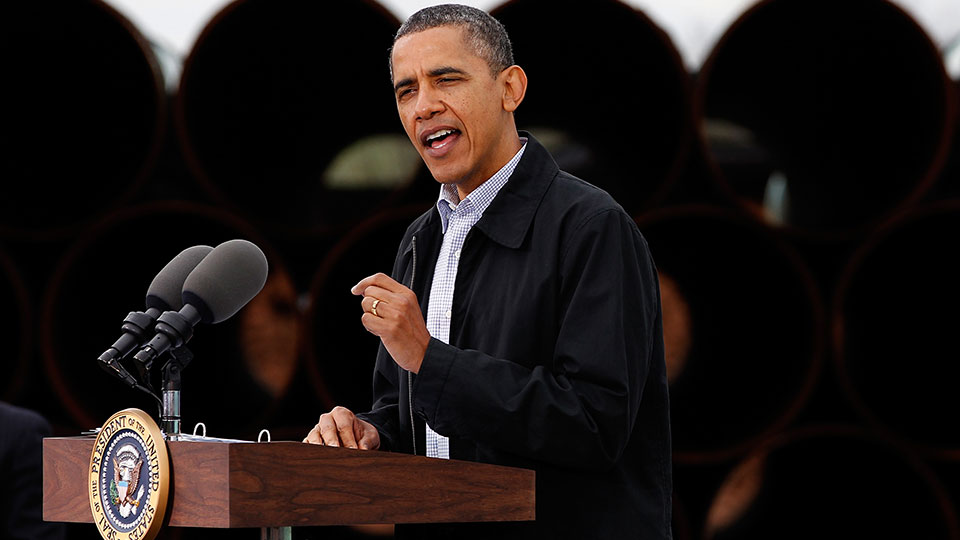
So is it a gift from the gods? Maybe. But the current understanding is that an individual with personal presence, charm, appeal, confidence and magnetism—and with the ability to draw others to their vision or purpose—is called charismatic. Charisma is often described as leadership presence, and is often difficult to set them apart.
Charisma has three components: presence, power and warmth. Presence is the foundation and warmth and power are the key ingredients that surround it. Our first impressions are often made in a blink of an eye: Is this person a friend or a foe? Do I fight, or flee? The perception we form based on appearance or behavior or non-verbal communication speaks volumes. And more often than not, people believe their assumptions more than facts.
So can you manage perceptions? Definitely. We need to learn the skills that enable us to understand and manage other people's perceptions of us, which requires deliberate effort of motivation, self-awareness and lots of practice.
Let’s take a political candidate. He may be the most attentive or friendly person in the room, but without power, people will see him as a pushover. On the other hand, if he has power but lacks sincerity and presence, he will come off arrogant, rude or unlikeable. It takes a perfect blend of the three components to have charisma.
Power, according to "charisma coach" and The Charisma Myth author Olivia Fox-Cabane, simply means “being perceived as able to affect the world around us, whether through influence on or authority over others, large amounts of money, expertise, intelligence, sheer physical strength, or high social status.” Human beings are often wired through impressions, and we instinctively determine a person's level of power through appearance and body language. The way one dresses, posture and carriage, the handshake, how physically fit one is—these all contribute to the perception of having power.
Presence is not about the excessive art of self-promotion; in fact, it's the opposite. Conveying presence means to be here and now. It can’t be faked. People are very sophisticated nowadays, and they will know if it’s for show. The eyes have to have intent—and determination of purpose and that intensity connotes strength. The eyes are the windows to the soul, the saying goes, and truly this is the test that many politicians fail: they may have the widest smile, but people can easily spot insincere eyes.
Warmth has to be genuine, as it is deeply rooted in good intent rather than selfish motives. A candidate who shows warmth exudes real empathy and honest interest in people and their lives, and this stems from a good heart. It stems from one’s being and authenticity.
So how important is charisma in politics—or other spheres such as business or showbiz, for that matter? Well, this X factor can be a determining factor in a person's success. Is that reassuring? No. We would like to think that it is not only because of a nice smile or a great handshake that one can be elected, as it may lead to disastrous policy making or empty promises. Charisma is a capability, not an answer.
Yes, charisma will make you more influential and inspiring. People are drawn to you. And it is all about the details—in your appearance, your behavior and your ways of communication. It involves the dynamics of self-confidence and positivity, respect and trust, and genuine caring and authenticity. Practice the skills to be a magnet for success. — BM, GMA News
Olen Juarez-Lim, AICI FLC, is a certified Image, Etiquette, Civility and Protocol Consultant.
Do you have any questions for Ms. O about etiquette or improving your image? Send them to submissions@gmanews.tv!

