

 GMA Brandtalk
 Tracking
 Archives

'I-Witness' stands by 'Ibinasurang Paraiso' docu, refutes online claims
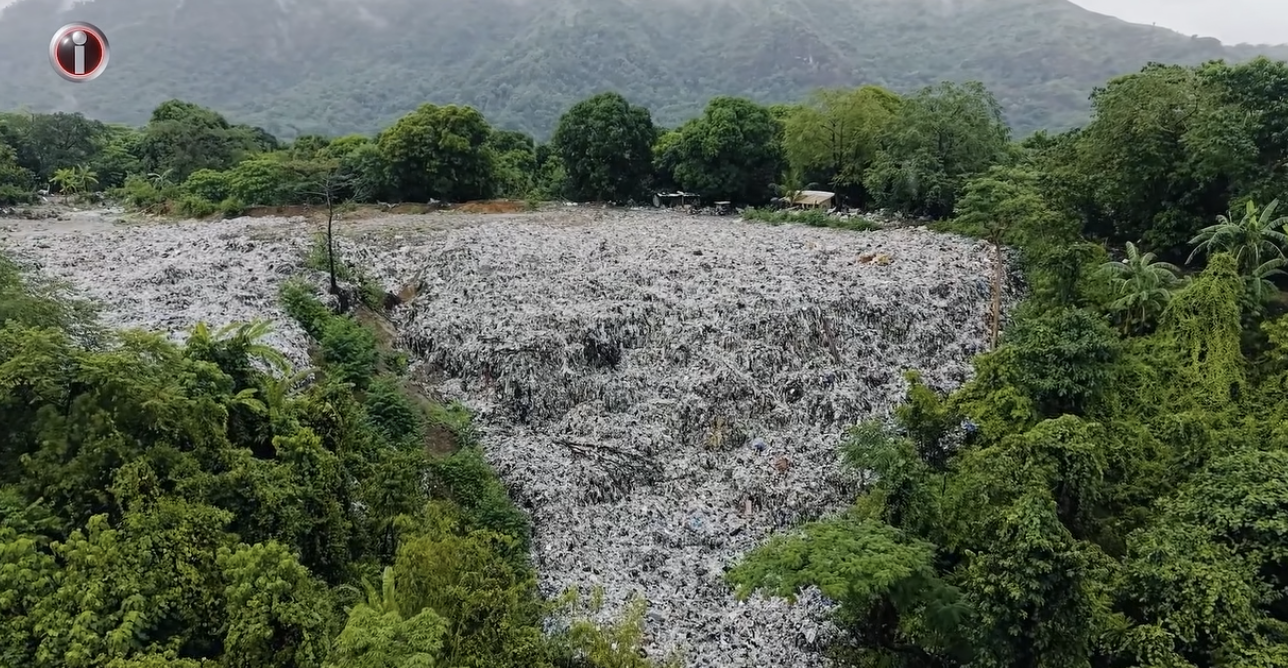
GMA Public Affairs' “I-Witness” has defended the findings of its documentary 'Ibinasurang Paraiso' after what it described as false claims circulated online following the program's broadcast.
In a statement released Tuesday, the documentary program said it "stands firmly" by the facts presented in the Kara David documentary, which examined the environmental and human impact of an open dumpsite in Sitio Tibag, Barangay Naugsol, Subic, Zambales, particularly on the Aeta community living in the area.
Following the documentary's airing, “I-Witness” said the issue gained widespread public attention and renewed calls for action. It added that the Department of Environment and Natural Resources has since issued another cease-and-desist order this month for the dumpsite's full closure.
In its statement, the program addressed several claims circulating online "seeking to discredit the documentary."
"We believe it is important to address these claims with the facts," the program said.
Among these was the claim that the dumpsite is located on private property.
“I-Witness spent more than a month researching and documenting the story. During that process, the team obtained a copy of the Certificate of Ancestral Domain Title (CADT) issued by the National Commission on Indigenous Peoples (NCIP), confirming that the area is part of the Aeta community's ancestral domain,” it said.
It also cited NCIP records identifying Sitio Tibag as being within the recognized ancestral domain of the Aeta Ambala Indigenous Cultural Community.
The program also disputed claims that there is no foul odor coming from the dumpsite, saying residents living nearby told the team they had endured the smell for years, especially during the rainy season.
“Some families told the team they eventually left their homes because of its impact on their health and daily lives.”
Addressing claims that the Aeta community lives several kilometers away from the site, “I-Witness” said its team documented abandoned houses just a few meters from the dumpsite.
It also reported that residents raised concerns about flies, foul odor, and a nearby stream carrying garbage that they said is no longer safe for drinking.
“In addition, the I-Witness team interviewed the chieftain and council of elders of nearby Sitio Alibang, a larger community situated at the foot of the mountain. In recorded interviews, the community leaders confirmed that parts of their traditional hunting grounds and sources of livelihood are located within the same area as the dumpsite.”
According to “I-Witness,” the findings were corroborated by official government documents and are consistent with the DENR's own findings and regulatory actions.
“I-Witness” also emphasized that the environmental impact of a dumpsite "cannot be assessed solely by the presence or absence of nearby houses or by whether it emits a foul odor," saying the long-term effects on forests, ecosystems, and the environment must also be considered.
The program ended its statement by reiterating its commitment to accuracy, fairness, and responsible journalism.
“Every documentary is grounded on extensive research and credible reporting. We stand firmly by the documentary and the facts presented in ‘Ibinasurang Paraiso.’”
"Ibinasurang Paraiso" aired on July 11 and quickly turned viral, gaining widespread public attention and renewed calls for action.
Read the complete statement of "I-Witness." — Carby Basina/LA, GMA News

