

 GMA Brandtalk
 Tracking
 Archives

'House of the Dragon' has a character problem
Note: This article contains spoilers for "House of the Dragon" and "Fire and Blood."
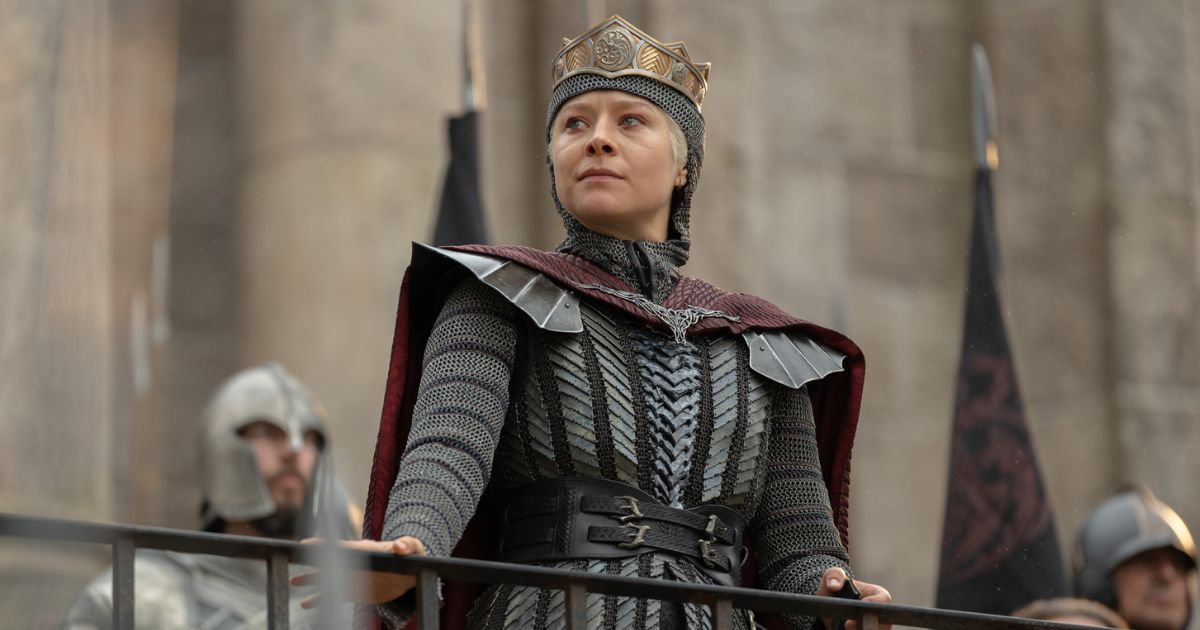
In Episode 1 of “House of the Dragon” Season 3, Rhaenyra is locked inside her own chambers by her son Jacaerys to prevent her from riding her dragon Syrax into the Battle of the Gullet. The image of her banging the door and cursing her own Queensguard perfectly encapsulates what the series has done to many of its characters: It took away their agency and let the plot drive them where it will.
“Fire and Blood,” the source material of the show, is more difficult to adapt to television than “A Song of Ice and Fire.” It is presented as the work of Archmaester Gyldayn, who in turn relies on other sources to chronicle the history of Targaryen kings. It gives an account of events, but it has no access to the characters’ interiority – their thoughts and feelings, desires and insecurities. Think of it as a sketch that must still be lined and colored. That is the task of the series: dramatization.
Some viewers have criticized “House of the Dragon” for the changes they made from the book, but changes are inevitable in any text-to-screen adaptation. It is common for shows to cut off characters, events, and even whole arcs from the original material. “Game of Thrones” has done it: Lady Stoneheart, the Queenmaker plot, and the whole Young Griff storyline did not make it to the show.
In “House of the Dragon,” problems arise not in the erasure of some characters, but the colors they chose to paint them. And somehow, through three seasons, the colored version presented by the show mostly fails to live up to the uncolored sketch in the book.
Let’s look at the characters one by one.
Jacaerys Velaryon
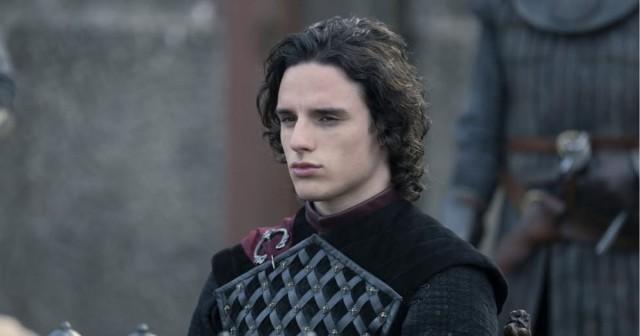
However, his death is one of those moments that must be landed well, whatever happens to his character. In the book, he dies a hero after trying to save his brother Viserys from the Triarchy. His loss is keenly felt by the Blacks.
In the series, he commits treason against his own mother by locking her up and flying to battle unready, and then dying a meaningless death. However beautiful Harry Collett looked in Jace’s death scene, the impact was not the same.
Rhaena Targaryen
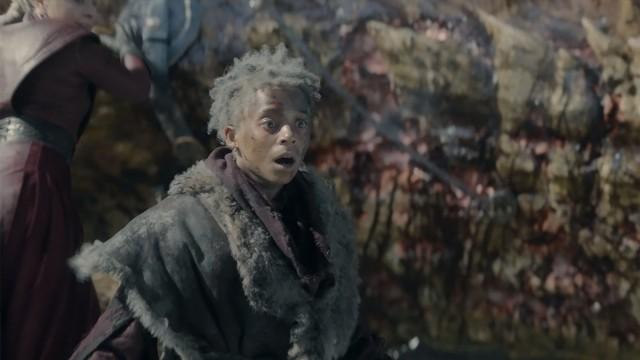
Rhaena, the younger daughter of Daemon Targaryen, claims the dragon Sheepstealer in Season 3. In the books, this is the storyline of Nettles, a lowborn dragonseed who tames the wild dragon by studying its habits and feeding it carefully.
At first glance, this is a change that makes sense from an adaptation standpoint. Instead of introducing a new character, it makes use of one who did nothing significant for the most part of the Dance of Dragons.
Rhaena exercises agency when she claims Sheepstealer in the Vale and flies to Dragonstone to help in the war effort. But it is a false agency. She actually cannot control the dragon, and her actions indirectly contribute to the death of Jacaerys.
It added the lost drama from Jace trying to save Viserys, but it was ultimately unnecessary – this exact narrative beat already happened in Season 1 when Aemond lost control of Vhagar and accidentally killed Lucerys.
Aemond Targaryen
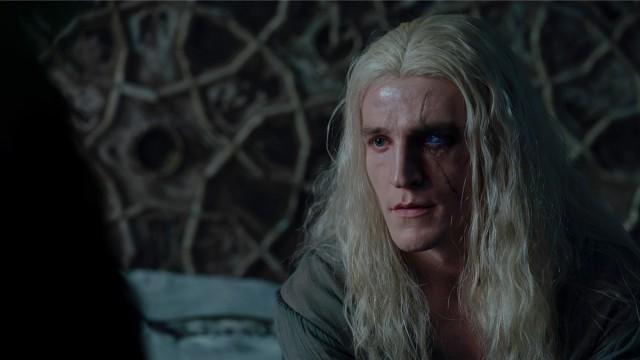
With Aegon bedridden, Aemond seized power as Prince Regent. But in Season 3, this buildup leads to nothing. Aemond is tricked by Alicent to go to Harrenhal, enters the castle alone, and gets stabbed. The only reason he survives is the plot.
Alys Rivers tends to him, and suddenly Aemond loses all agency. He is rendered unconscious and Vhagar goes on a rampage on her own in the Riverlands.
Compare that to the books: Aemond and Criston Cole actively go after Daemon’s army in Harrenhal, but they are outsmarted. Daemon is already taking King’s Landing for Rhaenyra by the time they arrived. In rage, Aemond takes it out on the Riverlands. “House of the Dragon” repeatedly gives dragons more agency than its characters.
Alicent Hightower
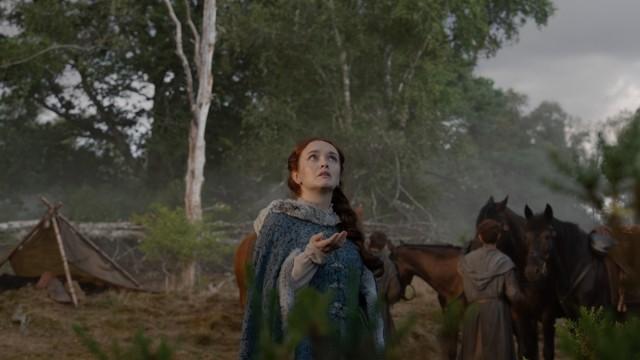
And then she misunderstood Viserys’ dying words. The misunderstanding itself was not a problem – she heard what she wanted to hear and used it to justify her actions.
But when Rhaenyra informed her in Season 2 that she heard it wrong, she suddenly lost sight of her own motivation. She agreed to the death of her own sons.
In Season 3, she tries to kill Aemond herself. She is given more things to do in the show, but her actions no longer make any sense.
Rhaenyra Targaryen
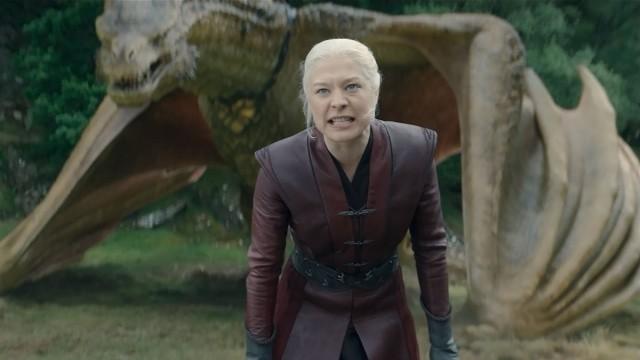
In “Fire and Blood,” Rhaenyra hardly took part in fighting for her own claim. She never rides her dragon, never wields a sword, and never kills her enemies with her own hands. The show gives her all of that as its main character. After Jace’s death, she was done being undermined her own council: She seizes the initiative and sits the Iron Throne.
As she exercises her agency, she becomes Rhaenyra the Cruel. She serves roasted rat to nobles at court, sends the Gold Cloaks to put down dissenters, and orders the death of the High Septon. All designed to make King’s Landing turn on her, which they do eventually, but it also begs the question: Why is her cruelty not directed at her enemies?
In the book, it is the opposite: Rhaenyra only taxes the small folk and reserves her wrath for the Greens. It felt truer to herself, while the show version felt like it was done to serve the plot.
Helaena Targaryen
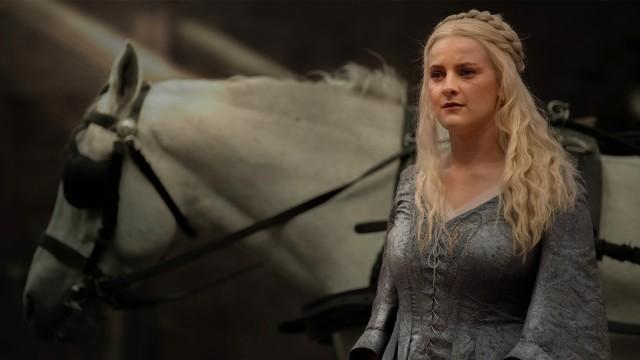
In a blog post, George R.R. Martin previously complained about the script for the eventual death of Helaena. He took issue that her younger son, Maelor, did not exist in the show, because the boy’s horrific death becomes the trigger for her own suicide. The author was concerned that Helaena would still kill herself for no apparent reason.
That fear comes to pass in Season 3. Helaena is shown to be mentally unstable by starving herself, but her suicide still comes across as an event demanded by the plot rather than a result of her character arc.
Aegon Targaryen

Aegon is one of two characters who largely retained who he is in the books, along with Daemon.
Like Rhaenyra, he is done being undermined by people around him and drives his own story. He was crowned against his will in Season 1, but after his burning at the hands of Aemond, he becomes determined to return to power.
While on the run with Larys, he kills men and decides their next steps. He is almost backed into a corner, but Sunfyre’s survival renews his will to fight for his claim. He is fun to watch this season.
Daemon Targaryen
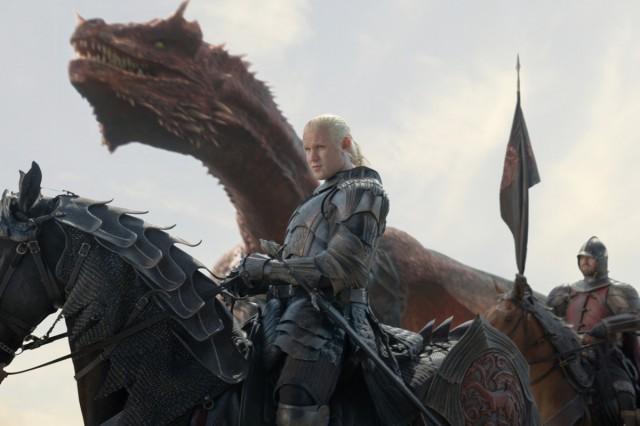
Unlike Rhaenyra, who begins to lose herself as the conflict drags on, Daemon carries on as he always has. When enemies appear, he kills them. He is a man of action, through and through. No wonder the series delayed his death – losing him early would be a blow to the story’s momentum. —LA/GMA News

