We use cookies to ensure you get the best browsing experience. By continued use, you agree to our privacy policy and accept our use of such cookies. For further information, click FIND OUT MORE.
Make this your preferred source to get more updates from this publisher on Google.
With the Chinese Lunar Year 4710 starting on January 23—just days away—it is auspicious timing to learn how to prepare an imperial Chinese feast. Around this time, we're bound to eat more and more of our favorite Chinatown fare—siomai, butchi, pancit (for long life), yang chow fried rice, and of course, the ever present tikoy. But often absent in some Chinese food selections is Peking Duck, perhaps because of the degree of difficulty in its preparation. It takes a centuries-old method and at least half a day of lead time. Now, Peking Duck can have its fair share of dining attention.
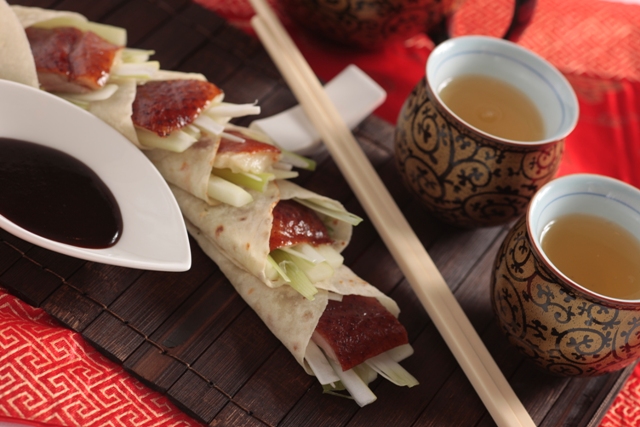
The star of the show: Roasted Beijing Duck
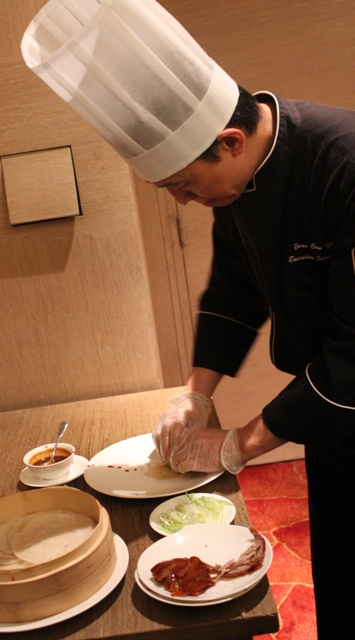
From Beijing, Chef Yuan Chao Ying is in Manila to share his special method of preparing and cooking the iconic Chinese dish. Chef Yuan’s first stop is Makati Shangrila’s Shang Palace. As the restaurant's name implies, it has looks every bit fit for an emperor and royal guests. The crystals that hang from the ceilings, deep red carpets, and golden walls immediately call to mind the grandeur of ancient Chinese dynasties. Its ambiance added to expectations of a grand royal banquet served by Yuan, who had worked at the Quanjude, a Beijing restaurant with origins dating back to the Qing Dynasty and which has become a Chinese byword for Peking Duck. At first bite of the first serving of duck, which Chef Yuan cut in thin pieces and served in a wrap with fresh greens, my high expectations were met. The duck was as perfectly cooked as it looked, straddling the thin line between dry and underdone. The crispness of the skin matched the crunch of the veggies, and the savory juices were consistent from the skin down through the cut of duck meat. It was an enticing prelude to the other duck dishes that followed: Chilled Duck Terrine and Shredded Duck with Dried Seafood soup. Though not a fan of dishes served cold, I really appreciated the terrine. The jelly was firm, not tough or runny, and the saltiness of the chopped duck had a faint trace of sweetness, which added to its appeal. Those chilled bite-sized pieces soon became quite addicting. The Shredded Duck soup was also a treat—hot and chunky with a slightly thick broth and a generous serving of duck and seafood bites. The silky soup was a perfect counterpoint to the texture of the chewy chunks, and for a small bowl, the serving packed quite a punch. Also on the menu were other non-duck dishes: sautéed prawns with bell pepper, dried chili and walnuts, poached Lapu-Lapu with vinegar and ground pepper, poached salted pork belly with Chinese cabbage, and fried la mein with shredded pork, mushroom and vegetables. RIGHT
Chef Yuan Chao Ying
Though the duck was the start of the feast, the other dishes held their own pretty well. The lapu-lapu, for example, was most memorable, with the vinegar adding just a touch of sourness to the melt-in-your-mouth white seafood meat. There was also the triple dessert serving of Masachi (a sweet ball covered in sesame seeds, strikingly similar to buchi), Chocolate Tikoy, and Almond Jelly topped with Mango Sago, which perfectly capped off the regal spread. The three desserts provided a variety of textures and sensations that were a pleasure to savor. The Masachi was hot, sticky, and not unbearably saccharine, while the Tikoy was exactly the tikoy that we Filipinos love—except that it was done with a chocolate twist. The almond jelly was cold and creamy, its nutty flavor a sweet delight and a fitting climax to the heavenly and sumptuous meal. Chef Yuan will be in Shang Palace's kitchen until January 8 before he goes to EDSA Shangri-la’s Summer Palace. — ELR/KG, GMA NewsPhotos from Makati Shangri-La


 GMA Brandtalk
 Tracking
 Archives