

 GMA Brandtalk
 Tracking
 Archives

ADVERTISEMENT
Filtered By: Lifestyle
Lifestyle
At Sofitel’s 75th Oktoberfest, ze Germans want you to beer it up
Imagine: beer as far as the eye can see—well, beer and an array of sausages and the other requisites of a proper Oktoberfest: from sauerkraut to schnitzel, bratwurst to kartoffelknödel (potato dumplings). This is the feast awaiting party-goers at the German Oktoberfest at Sofitel Philippine Plaza Manila, set for two days of beer-soaked mayhem on October 18 and 19 at the hotel’s newly renovated Harbor Garden Tent.
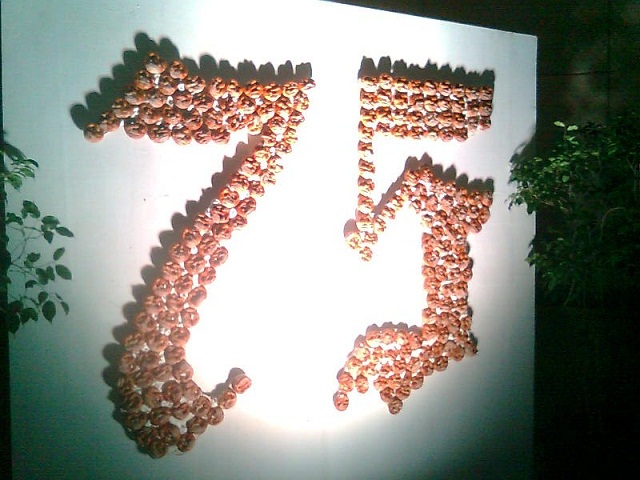
That's a lot of pretzels.
“Undoubtedly one of the biggest events in Manila,” nodded Adam Laker, Sofitel Philippine Plaza’s General Manager. “Through the years, we have seen how Oktoberfest has helped promote camaraderie among the Filipinos and Germans.”
The Oktoberfest has been held since 1810 in Bavaria, a celebration that’s become an important part of that culture despite—or perhaps because of—the massive number of people with hangovers post-festival. It’s the world's largest fair on German soil, held annually in Munich for 16 days, traditionally from late September to the first weekend of October with around an average of six million people in attendance. No doubt, it keeps the German beer industry working hard year-round.
At Sofitel’s Oktoberfest preparations, the authenticity of Bavarian atmosphere is paramount, especially to any expat Krauts who might be in attendance. On the festival days themselves there will also be modernized folk music by the Bavarian Sound Express band, flown in all the way from Munich, and local retro band The Bloomfields, who will be playing on October 19.
I got handed beer by serving girls in traditional dirndl dresses; a fluffy-sleeved dress topped by a peasant blouse that comes in various cuts which, depending on the inclination of the wearer, can go from conservatively-buttoned or plungingly bosom-revealing.
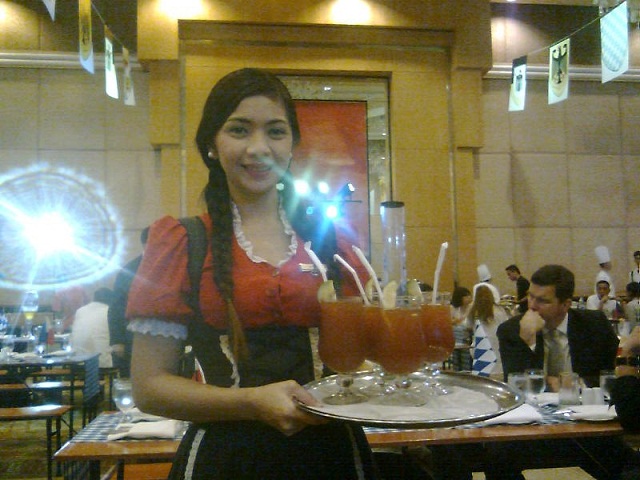
Serving girls in traditional dirndl Bavarian dress.
Said German departed before I could ask about his previous Oktoberfest adventures or get his name. Still, this cultural tidbit is a good caveat to remember for women planning to go to Sofitel and costume up in a dirndl.
“This year’s anniversary of the German Club’s Oktoberfest will be a milestone not only for the German Club,” said Oktoberfest Chairman Michael Scheile. “But also for the Club’s objectives of promoting the Philippines as [a] valuable destination for investment to German businesses.”
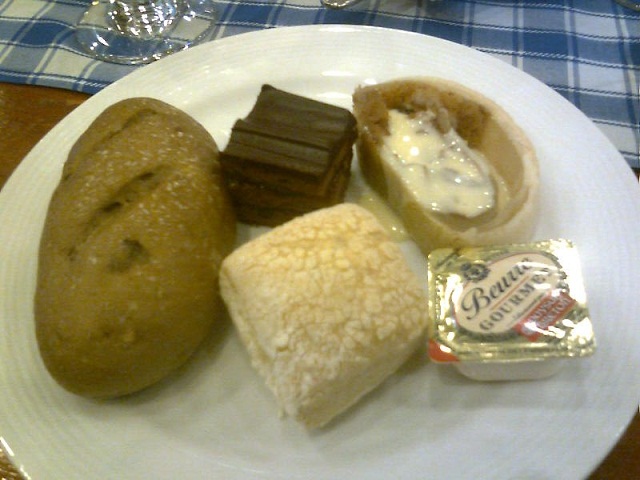
A cornucopia of bread and an apfelstrudel.
The Germans say that when in Berlin ask for a Berliner Weisse, when in Cologne ask for a Kolsch, or when in Bamberg try downing a famous Rauchbier.
There are also three kinds of German beers that are usually available at Oktoberfests worldwide, depending on the location. These include:
- Wheat beers. Examples of this are Weizenbock, Roggenbier (a fairly dark beer made with rye), the famous Berliner Weisse (pale and very sour), Leipziger Gose, Hefeweizen, and Kristallweizen.
- Pale beers. Examples include Kolsch (can only be legally brewed in the Koln region), Helles, Pilsener, Export (a pale lager that’s full and malty), and the Cloister beers (or Kloster Bier) a term for a lager that was produced in a monastery or convent – yeah, even the monks and nuns were big on drinking.
- Dark beers. Examples include Altbier, Schwarzbier (a dark lager with a full, roasty, chocolatey flavor), Dunkles, Dunkler Bock, and Rauchbier (the use of smoked malt gives it a smoky taste).
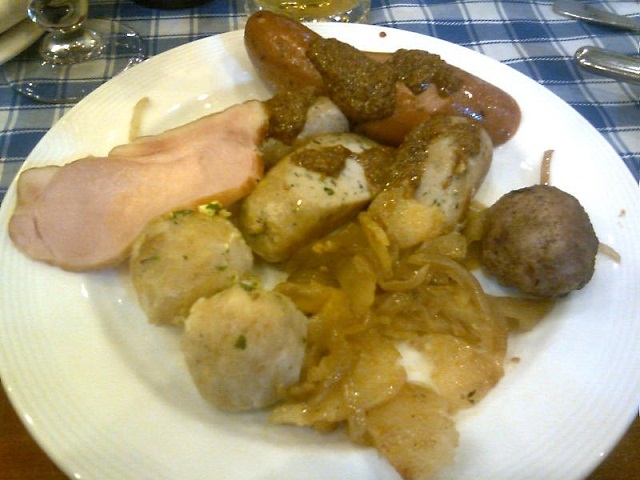
Choose your own sausage: every meat-lover's dream.
Whether it’s by Bavarian ham or beer, ze Germans are coming and they want you to sing, dance, and drink up. — VC, GMA News
The 75th Oktoberfest of the German Club Manila at the Sofitel Philippine Plaza Manila is set on October 18 and 19 at Sofitel’s Harbor Garden Tent. Log on to the hotel website for prices and reservations.

