

 GMA Brandtalk
 Tracking
 Archives

Shake the hand that feeds you, ‘slow food’ advocates say
Know where your beef or vegetables come from. Save endangered food. Enjoy your meals.
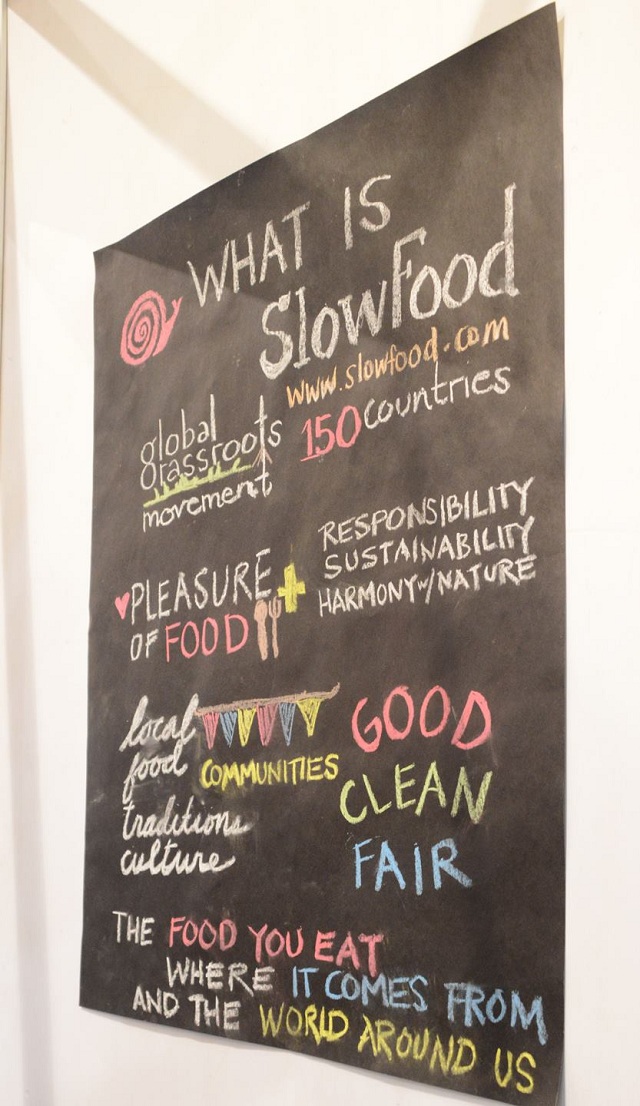
At the “Introduction to Slow Food” seminar at the SMX Convention Center in Pasay City during the World Food Expo (Wofex) earlier this month, advocates said there was a global need for food that is good for the body, good for the farmer, and good for the environment.
Slow Food is an international movement founded in 1986 by Italian Carlo Petrini, who first gained prominence by campaigning against a fast food chain that wanted to open a branch at the historic Spanish Steps in Rome.
According to the site, the slow food movement seeks to "defend local food traditions, protect local biodiversity and promote small-scale quality products."
Furthermore, Slow Food is also "a way of saying no to the rise of fast food and fast life. Slow Food means living an unhurried life, taking time to enjoy simple pleasures, starting at the table."
At the seminar, Agriculture Undersecretary Bernadette Romulo Puyat urged to public to eat "real" food and visit the farms they come from.
"Know the story behind the food that you eat," she said. "Meet your farmers and fishermen. Learn more about your local or regional food history and cultural traditions.
"Shake the hand that feeds you."
Ark of Taste
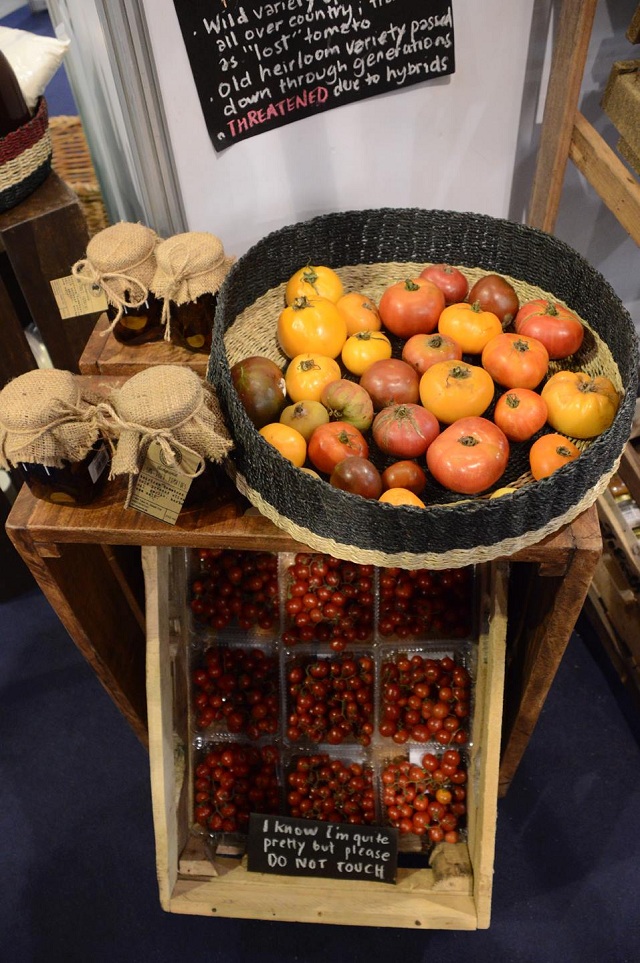
The Ark of Taste features 1,845 heritage fruits, vegetables, animal breeds, cheeses, breads, sweets and cured meats that were nominated by individuals from different countries. A committee screens these nominations to see which are worthy to be included in the Ark of Taste catalogue.
Only 20 local products have so far been included in the catalogue:
- Barako coffee,
- Batuan,
- Batwan,
- Budbud Kabog,
- Chong-ak rice,
- Cordillera native black pig,
- Criollo cacao,
- Imbuucan rice,
- Ingudpur,
- Jeykot sticky rice,
- Kabog Millet,
- Kadyos beans,
- Kamias,
- Kiniing,
- native Visayan white corn,
- Ominio rice,
- red rice from Kalinga and Ifugao,
- siling labuyo,
- sinarapan, and
- tawilis.
Pacita "Chit" Juan, co-founder of Echostore, a shop that sells environment-friendly food and lifestyle products, encouraged the public to nominate to the Ark of Taste project traditional foods that are hardly seen in the market anymore.
Juan said this will ensure that Filipino food traditions will be carried on for generations.
Good, clean, and fair
The group clarified that "slow food" does not necessarily mean "organic." It explained that "Slow Food supports the principles behind organic agriculture, such as promoting methods that have a low impact on the environment and reducing the use of pesticides."

Slow Food endorses grass-fed beef, pastured pork, biodynamic vegetables, heirloom rice, free range chicken, and organic vegetables.
One of the speakers during the seminar, naturopath doctor Dr. Alberto Jo, pushed for natural health and healing, using food as medicine for any illness.
Jo owns the Rapha Valley farm in Don Salvador, Negros Occidental. He said he has diabetes and used to have high blood pressure, but improved his condition "through the food that I was eating and a change of lifestyle."
Quoting Hippocrates, he said, "Let food be thy medicine and medicine be thy food" and emphasized the need to prepare food the healthy way and to unlearn "bad" cooking habits.
Jo, who is also has a restaurant in his farm, said he wanted to study culinary arts in college but his father was against it, telling him, “Bakit ka mag-aaral sa Maynila para lang magluto sa fiesta?” For his father, chefs were those who cooked food during town fiestas.
Seasonal menus?
According to Goco, chefs can offer fresh healthy food if they have a changing menu, featuring what’s available in the market.
He pointed out how in the Philippines, a country visited by so many typhoons every year, it is not easy for restaurants to have a good and steady supply of fresh ingredients.
He said it would be good to offer dishes based on what can be found fresh in the market on that day.
Fores said in her early days as a chef in the 1990s, it was difficult to find fresh, organically grown herbs, fruits, and vegetables.
Fores, whose farm-to-table Italian restaurant Grace Park is getting raves from foodies, said she finds it very gratifying to discover growers of organic products throughout the country.
She said she believes chefs owe it to their customers to offer a seasonal menu, although this is more complicated and costly.
But, she said, “I believe the grace comes back to you, not just in peso signs,” adding that it is more important to push for the advocacy for clean and healthy food. — BM, GMA News

