

 GMA Brandtalk
 Tracking
 Archives

Stingray, Horse’s Mouth and more surprises at Uma Uma Ramen
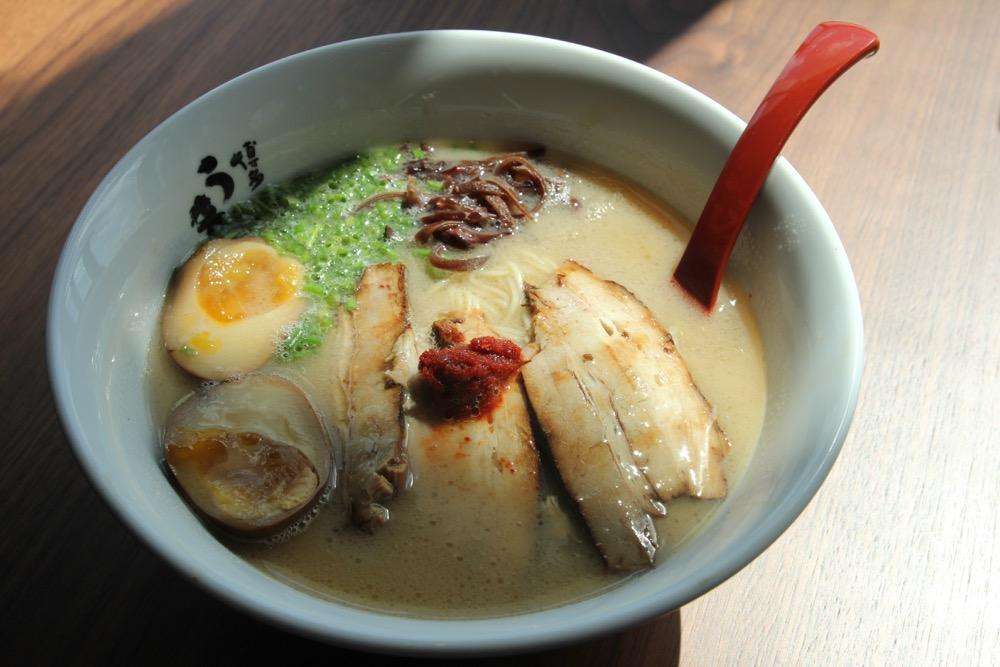
After a few rough and tiring days to officially end the first half of 2016, the invitation for some comfort food in the form of a hot, steaming bowl of ramen was hard to turn down. I can almost imagine all the aches and pains from a grueling week melting away with each scoop of hot broth and quick slurps of noodles.
But as everything with Uma Uma Ramen, all my thoughts and expectations made a u-turn with their unique offerings and dining area concepts. Let’s start with that excepted bowl of ramen. While I got to taste the signature Hakata-style, Uma Uma Ramen (P360), what blew my mind and left me wanting for more was the co-headliner on the menu, the broth-less Mazesoba (P360).
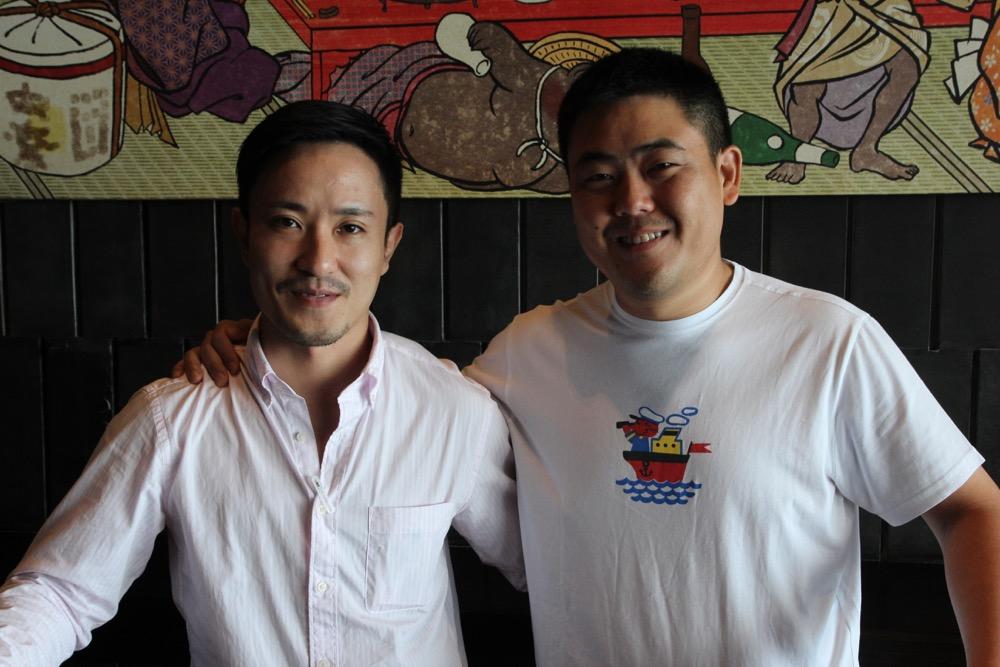
Made with spring onions, bamboo shoots, chili oil, bean sprouts, and onsen egg, this dry-style ramen is very much an upscale, gourmet version of the Filipino classic, pancit canton. Russell Yu, director of Iki Concepts, the company behind Uma Uma Singapore and Manila, explained that the Mazesoba was created by their Singapore branch as way to cater to the vegetarian needs of the island nation’s Indian population.
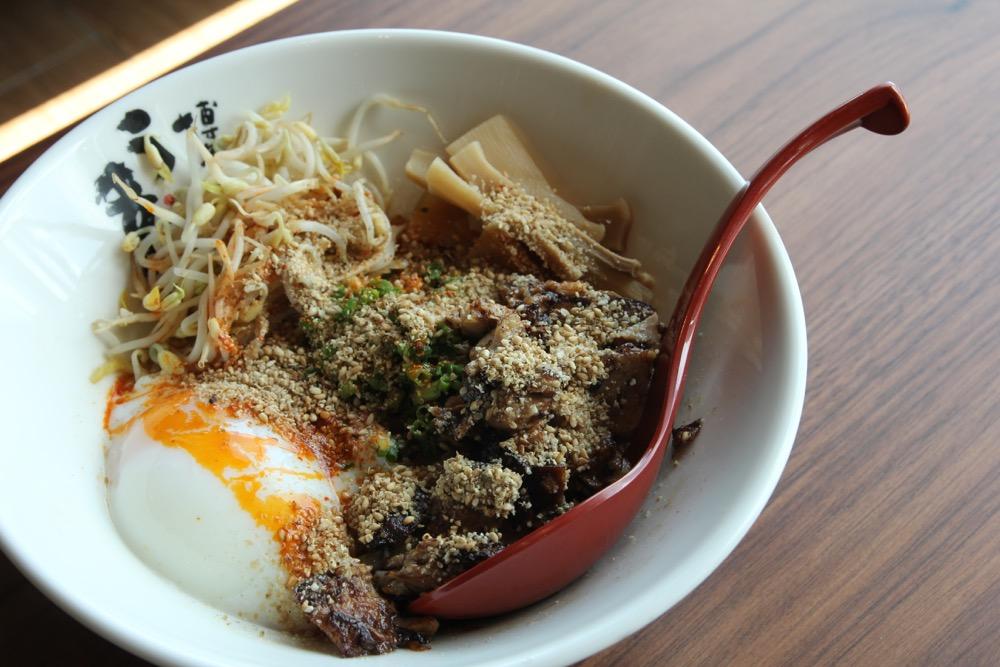
For P30, adding chopped chasiu makes the dish a complete meal. Served in a deconstructed way, diners mix all the ingredients well before eating. The taste and texture is well balanced, with each bite tasting better and better. In fact, the Singapore-made Mazesoba was so successful and well-received by the locals that it eventually found its way to the branches in Fukuoka. With Uma Uma’s principle of preparing their dishes 100% MSG free, the ramen dishes are also more healthful and do not leave a bloated feeling after eating.
Other ramen variations on the initial menu include the Spicy Chasiu Ramen (P390), Tonkotsu Ramen (P360), and Garlic Ramen (P360). Uma Uma’s interpretation of the tantanmien, a spicy dish with a thick, gravy-like broth, is being perfected by the local kitchen staff. A Philippine-inspired noodle dish like the Mazesoba, using locally-available ingredients and engineered to suit how Pinoys like their bowl of noodles, is also in development.
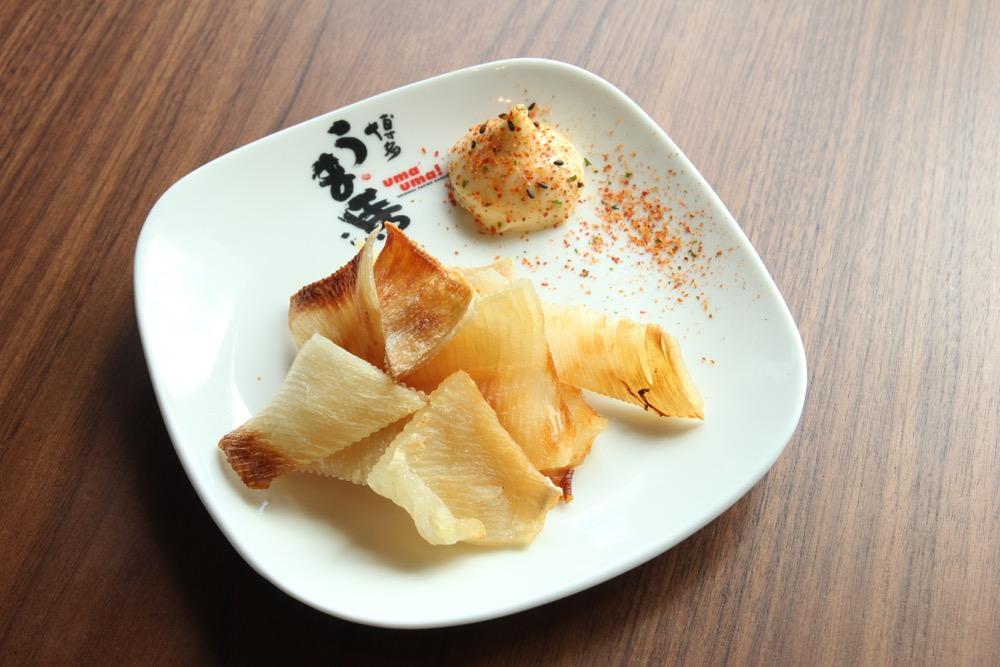
Stingray, anyone?
Uma Uma Ramen actually started in Fukuoka, Japan by the father of Uma Uma Ramen Japan president Masahiko Teshima. A play on the literal “horse”, and “tasty” pun translation in English, Uma Uma first branched out to Singapore before finding its way to our shores. Main items and side snacks are a combination of all the dining influences and experiences in Japan and Singapore.
The dried, potato chip-looking stingray is a nice, jerky-like snack, made more delicious with a little Japanese mayonnaise and togarashi on the side. Edamane or boiled soybeans are always perfect as a starter or bar chow. Just in case the slices of chasiu in your ramen bowl is not enough or want to pair grilled pork belly with cocktails, you can always order an extra order of Yaki Chasiu (P160).
A little disclaimer on the horse’s mouth mentioned in the title. Unlike some izakayas in Japan that server horse sashimi, Uma Uma does not have horse meat on its menu. Horse’s Mouth refers to the “secret” or hidden bar at the back of the ramenya area, just behind a black curtain. With a more quiet, chill, and relaxed bar/lounge atmosphere, it is perfect for after-work cocktails and intimate conversations.
House’s Mouth Bar pairs classic cocktails and specially created drinks with izakaya staples like yakitoki, one-bite gyozas, tonkatsu on a stick, Wagyu beef cubes, and karaage. Just in case you were wondering what’s the difference between a one-bite gyoza and regular-sized ones, Uma Uma head chef Satoshi Nakamura explained the smaller-sized Japanese dumplings were designed so that people can chew quickly, drink, and converse easily.
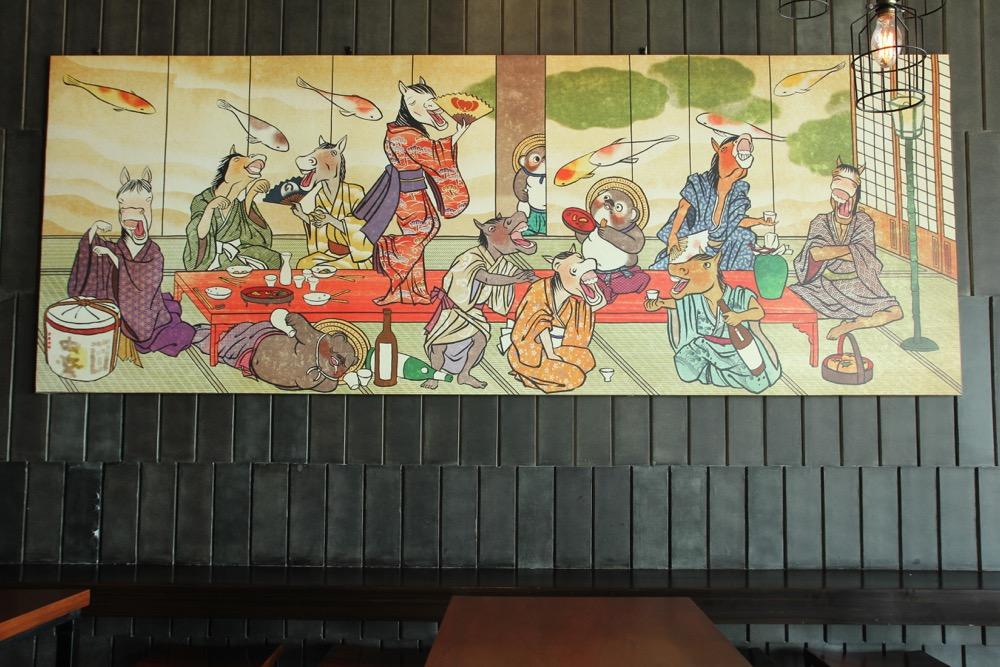
Leave it to the Japanese to figure out ways to make our dining and drinking experience more convenient. Aside from the skewered and grilled dishes, every item in Uma Uma Ramen’s menu is available to order and consume inside Horse’s Mouth. Patrons inside the ramenya area can also order the izakaya items, but because of regulations, cannot consume the cocktails and hard drinks served in Horse’s Mouth Bar.
Lastly, a note to first time visitors of the Conrad Hotel and S’Maison: to avoid getting lost (like I did), better use the bridges that connect the main Mall of Asia building to SMX, then another connecting bridge to the Conrad Hotel. S’Maison and Uma Uma! can be reached by private vehicle through Coral Way, right across Microtel Inn and Buffet 101.
Itadakimasu! — BM, GMA News
Uma Uma Ramen (10 a.m. to 10 p.m.) and Horse’s Mouth Bar (4 p.m. to 10 p.m.) are located on the 2/F S’Maison, Conrad Hotel, SM Mall of Asia Complex.

