

 GMA Brandtalk
 Tracking
 Archives

Christmas buffet cheat sheet: 5 tips to maximize eat-all-you-cans
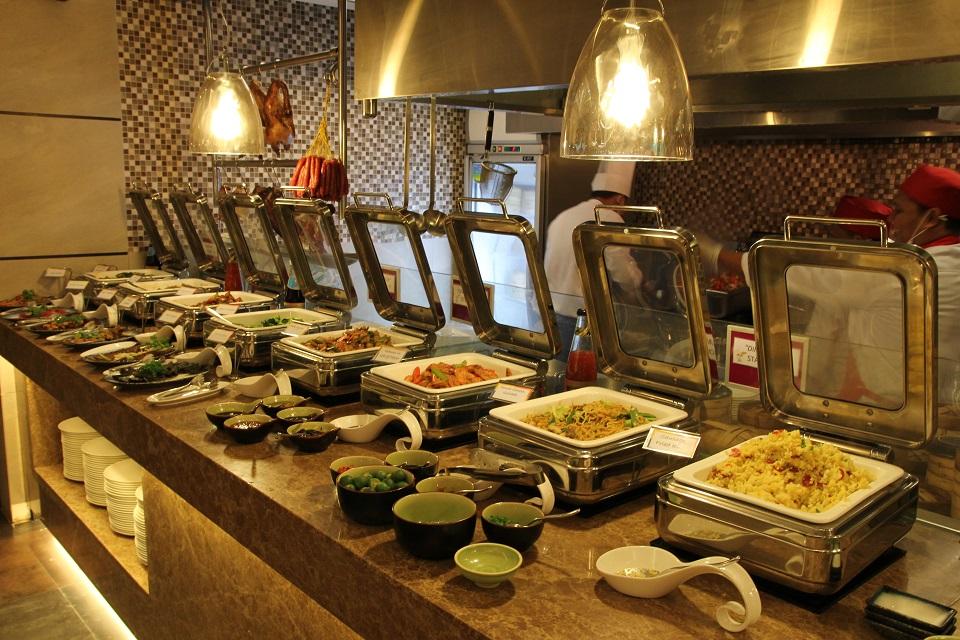
Getting the family together for a meal can be tricky this Christmas season, especially if extended members—uncles, aunts, cousins, grandparents—are involved. Some might prefer fresh seafood, while others would rather indulge on favorites such as Christmas ham, roasted meat, and all the fixin’s.
The obvious solution, of course, is to just dine in buffet restaurants. Eat-all-you-can establishments can be found all over the metro and can range anywhere from less than P1,000 to a few thousand pesos for lunch or dinner at hotels. If you are willing to part ways with your hard-earned 13th month pay and bonus, the best you can do is to maximize the eating and overall experience by following these simple steps.
Whether you plan to pig out or simply want to taste as many items as you could, it is important to follow a proper order of the types of dishes you want to eat. Starters like soup and salad are called as such because they slowly build up appetite and get your digestive system ready for the heavy main dishes and rich desserts that are about to follow.

One trick to maximize your buffet bill is to go for items that you don’t normally get to eat every day, or to skip ones that are already familiar to your taste buds.
If you really need to eat bread or can’t live without a cup or two of rice, try to consume staples in different ways. Traditional French onion soup contains a piece of bread, topped with cheese, and is baked to golden-brown perfection, while Japanese sushi and maki more than satisfies your rice cravings.
Another tip to squeeze every peso that you will be paying is to go for the most expensive items. Most buffet spreads offer grilled steak or prime rib as the star of their offering, so why not have a serving or two of perfectly cooked beef?
Other decadent options in Manila’s eat-all-you-can spots include seafood like lobster, oysters, and fresh suahe, lamb chops, French foie gras, sturgeon caviar, imported cheeses and cured meats, and glorious Peking duck.
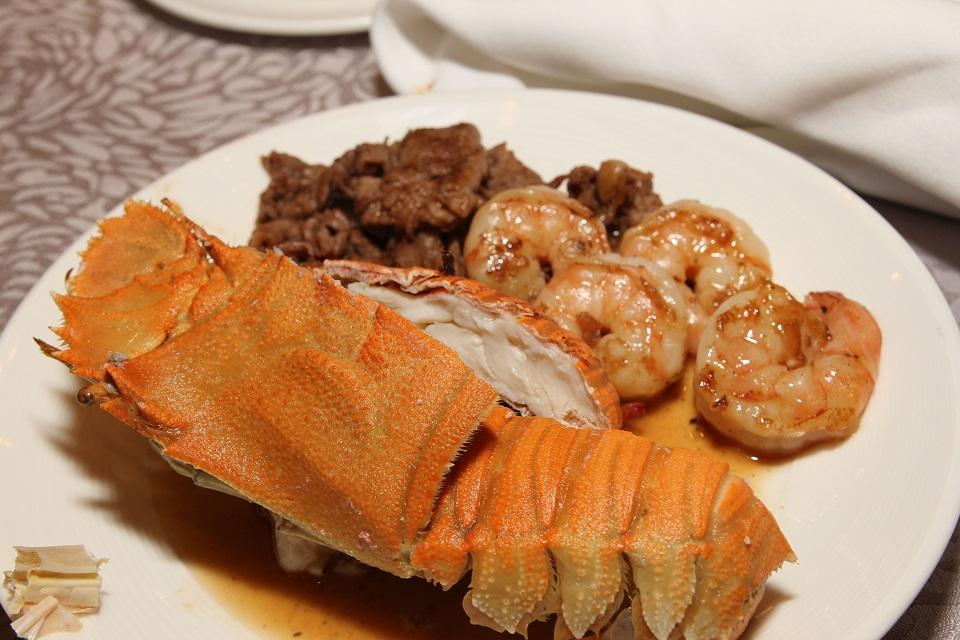
A personal rule is to opt for things prepared à la minute or made just when you order them. Food sitting in chafing dishes tend to be less fresh, hence less enjoyable compare to ones freshly cooked. An exception would be if you noticed that the item is being replenished by the buffet staff. This rule is also true for desserts as meal-cappers like crepe, bibingka, and halo-halo are best consumed right after they were made.
To wash everything down and to help your insides digest, drink hot tea or water after all the eating and your body will thank you throughout the day. Jumpstarting the digestive process helps, in a small way, to prevent the sleepy feeling we get after a heavy meal. — BM, GMA News

