

 GMA Brandtalk
 Tracking
 Archives

In Rizal, food and faith are intertwined
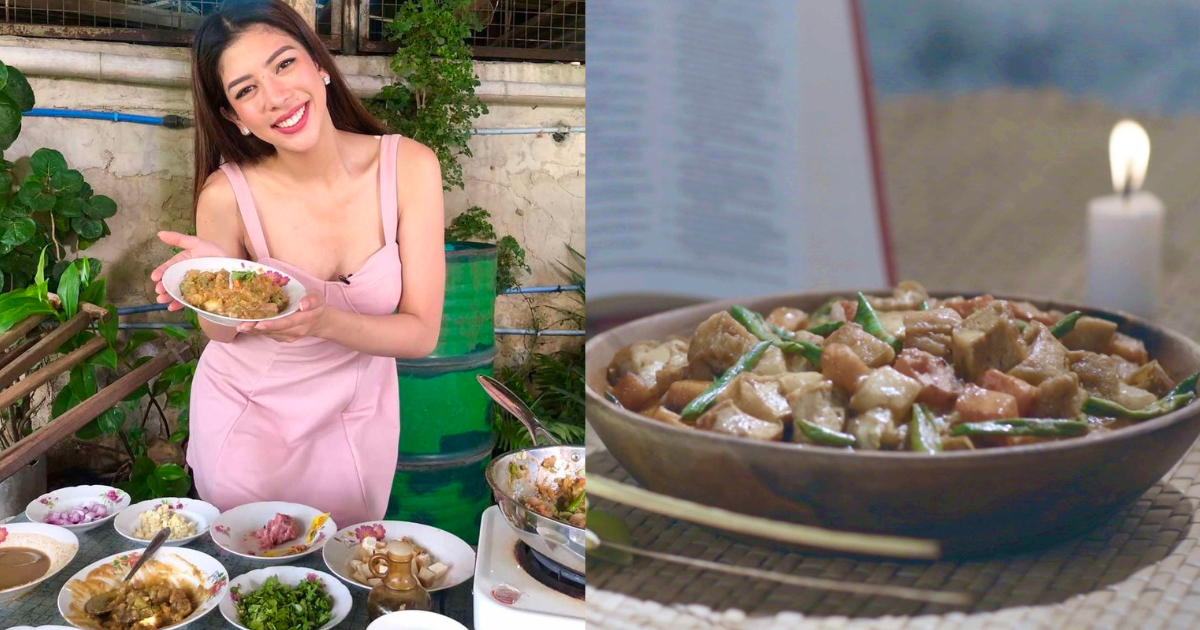
Regions across the country have their own ways of celebrating food and faith at this time of the year.
In a "Kapuso Mo, Jessica Soho" Special, the team went on a food trip across Rizal, starting with Binangonan.
Buro in Binangonan
In Talim Island, the whole barangay works together for a feast they all share during the Pabasa ng Pasyon (Reading of the Passion).
They make buro (fermented rice) with fish, specifically kanduli that they catch from a nearby lake.
"'Yun po ang aming talagang hit na hit na ulam ng Pabasa!" said resident Natividad Antrajenda. "Pagka po 'yung magpapabasa unang itatanong agad, 'May buro ba?' Sasabihin ko, 'Ay naku hindi po nawawalan ng buro.'"
("Buro is a staple for us during the Reading of the Passion. The Reading would not be complete without it.")
Their buro is unique because it's pink due to the food coloring they add.
Additionally, it takes four whole days for them to prepare the food.
"Mga kababaihan, kalalakihan, sama-sama," said barangay captain Joey Mira. "Naging panata na."
("Everyone helps out, sort of like a tradition.")
They start by cooking the rice, and once it has cooled, they add the fish. They mix it for half an hour until it's soft. Then, they cover it and let it ferment for four days.
"Mahirap gumawa ng buro kasi po puwede po kasing bumaho kapag hindi po tama at maganda 'yung pagkaka-proseso," said vlogger Maicah Ponelas.
"Hindi lang sarili namin 'yung binubusog dito kundi 'yung pananampalataya namin," she added. "Pasasalamat sa Diyos sa buong taon po na binibigay Niya."
("It's difficult to make buro because if done wrong, it can get stinky."
("This food is not just for our stomach. This is also our way of thanking God for providing for us.")
According to food historian Carmona Pacheco Alvendia, this practice stems from the earlier days when there was no such thing as refrigeration.
Nutritionist Kioh Monato meanwhile said that buro is completely safe to eat as long as it's prepared properly.
"Ligtas itong kainin basta't siguraduhin lamang ng nagpre-prepare na hindi contaminated. Kapag fermented 'yung pagkain ay mas madaling na-da-digest ng ating katawan."
("Fermented foods are safe to eat as long as they're prepared well and are not contaminated during the process. In fact, fermented food is easier for us to digest."
Lumpia in Angono
The KMJS team also visited Angono—along with beauty queen and comedienne Herlene Budol.
Angono is Herlene's hometown. She proudly shared that they have what's called "lumpiang Pabasa."
"Kami ng lola ko nakikipila kami sa mga pakain," she said. "Patay kalan, walang magluluto sa pamilyang 'to. Uuwi kami iisa ang ulam namin, lumpiang Pabasa."
("My grandmother and I would fall in line just to buy lumpiang Pabasa.")
She visited Lay Minister Jun to learn how to make it.
According to Jun, you start by frying onion and garlic, and then add the ground meat and shrimp. Lastly, you add turnip and peanut butter.
"Nung natikman ko 'to, naalala ko nung tumatambay ako sa Pabasa," Herlene said. "Ito talaga tinitira namin nung mga tropa ko doon."
("Whenever I eat this, I remember how my friends and I got together during Reading of the Passion.")
Sinuam in Angono
Another Holy Week staple in Angono is a dish called sinuam.
This is a dish often prepared on Holy Wednesday and Maundy Thursday. Instead of miki and meat, residents cook it with pig blood and bones.
An expert in the dish, Chevy, demonstrated how to make it.
She started by frying garlic in oil, followed by onion, then pork. Then she added the blood, the papaya and the chayote, and sprinkled in some salt.
"Naging panata ko 'to pagka-Holy Week para sa family namin," Chevy said. "Ang itinuro sa akin ng mother ko, 'Chevy, bago ka magluto or humawak ng sandok or panghalo, magdasal ka muna na 'yung gagawin mo maging biyaya rin para sa iba.'"
("This has been a tradition in my family during Holy Week. My mom always taught me, 'Chevy, before you cook anything, always pray that whatever you make will be a blessing to others.'")
According to Alvendia, food and faith go hand in hand in Rizal.
"Isinasabuhay namin ang pagiging mapagbigay sa kapwa at pagkakaroon ng pagkakaisa within the community," she said. "Bahagi ng tradisyon natin nga mga Rizaleño."
("We Rizaleños try to help other people as much as we can, and try to stick together as a community.")
Food made during Holy Week holds a special place in the hearts of Rizaleños. Because through making these dishes, they're able to strengthen their relationship with their family, and deepen their faith in God. —JCB, GMA Integrated News

