

 GMA Brandtalk
 Tracking
 Archives

ADVERTISEMENT
Filtered By: Lifestyle
Lifestyle
Multivitamins may be key to better cancer prevention
Eating healthy foods, staying away from smoking, and avoiding excessive drink: those are the ways one could prevent cancer. Recently, however, doctors have found that taking vitamins may be the answer to a lower cancer risk.
At a recent round table meeting organized by a leading pharmaceutical firm at the Hyatt Hotel in Manila, Dr. Eliza Perez-Francisco, a nutritionist and family physician, discussed the results of the second Physician’s Health Survey, which was sponsored by the National Institute of Health in the US. The study was not funded by the said firm, Dr Perez-Francisco emphasized.
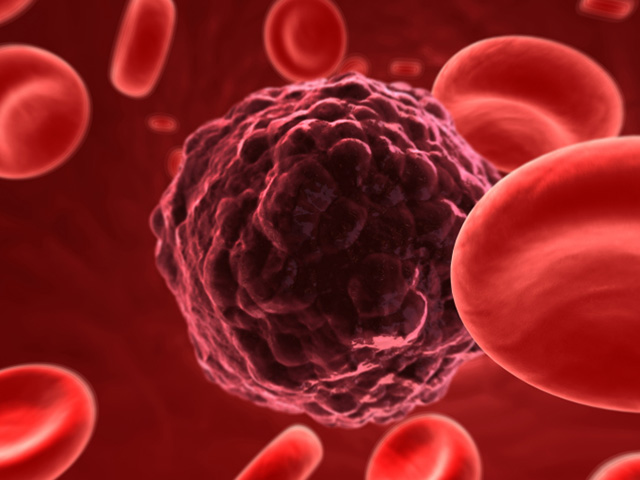
The study revealed that there was “a modest but statistically significant reduction” in cancer incidence among those physicians with a history of cancer who took multivitamins. Thinkstock photo
The study was conducted by researchers from the Division of Preventive Medicine at the Brigham and Women’s Hospital, a teaching hospital at Harvard Medical School, and covered around 14,700 male physicians above the age of 50. Low dosage vs high dosage
The study compared what would happen if one took multivitamin pills (containing low dosages of different vitamins) vis-à-vis high dosages of three other vitamins, namely beta-carotene, vitamin E, and Vitamin C. It took place between 1997 to 2011, and the multivitamin phase, which used a brand from the said firm, lasted for 11 years.
The study found that, in summary, there was “a modest but statistically significant reduction” in cancer incidence among those physicians with a history of cancer who took multivitamins, and in this case, it was compared to a placebo.
Dr. Perez-Francisco emphasized the study’s accuracy, noting that these were physicians who kept accurate records of their own health, and its potential to lead to repeated results in future studies.
“It is the combination of those little vitamins. . .that did the trick,” said Dr. Perez-Francisco, “It mirrors what we have in nature, with vegetables, for example.”
She added that even with these findings, the risk reduction was not as significant as with those connected, for example, to changes in diet or quitting smoking. In a question asked in the open forum, she said that she would recommend taking a multivitamin in addition to adopting a good diet with plenty of fruits and vegetables and other lifestyle changes.
The Big C is still a killer
“The [Philippine] Department of Health said that in 2009, [cancer] was one of the three leading causes of death in the country,” Dr Perez-Francisco said, explaining why the study needed to be discussed.
The other two leading causes were heart disease and stroke. More women died of cancer than men, and the Philippines ranks sixth in the Asia-Pacific region for male cancer occurrence and third for females. She emphasized that malnutrition is one of the leading causes of cancer — smoking being the other one.
“35% of all cancer [cases] could be attributed to diet,” she said. She noted that with the kind of food available these days, achieving a balanced diet that could help lower cancer risk was a challenge. She especially drew attention to processed foods, which used preservatives, adding that studies have consistently shown that these preservatives were connected with the risk of certain cancers.
Dr. Gerardo Cornelio, chairman of the Department of Medicine at San Juan de Dios Hospital and an oncologist, was another speaker at the event. He added that, since not everyone tended to eat the right diet on a daily basis, it was necessary to have some way of getting the right amount of nutrients to protect them.
Selective sampling
Dr. Cornelio reacted to the study by highlighting its reputability, among other things. He added, “I’m not a believer in high-dose vitamins. A lot of physicians are [prescribing] this, but I think it has no role [in preventing cancer].”
While the study is important in pointing to an effect, it is easy to ignore that the population sampled was a somewhat well-nourished one, that women, who are at higher risk in the Philippines, were not covered, and that minorities in the US were also not included.
However, the study’s authors admit that this is a serious limitation, and also admit that further research is needed into other populations. They also reminded the reader that since the study began, the formulation of the multivitamin pill had changed. However, the control here was to use the same pill, pharmacologically speaking, all throughout.
While nutrition guidelines in the US do recommend taking multivitamins, and a lot of people there do so in the belief that it does help fight certain cancers, the jury is also out in the Philippines on what effect multivitamins have on cancer risk. What does count, though, is that nutrition is still key in fighting what has become known as “The Big C.” – KDM/KG, GMA News

