

 GMA Brandtalk
 Tracking
 Archives

Half of Filipino babies don’t get breastfed soon enough — UNICEF
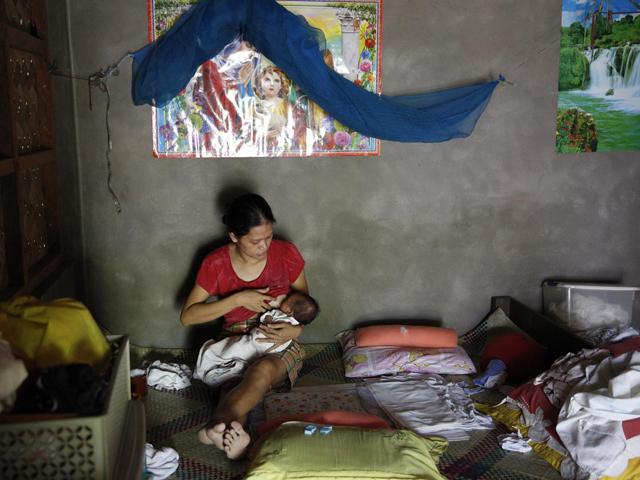
Despite numerous studies citing the benefits of breastfeeding on health and even the economy, the United Nations Children's Fund (UNICEF) is still pressed to work hard in encouraging moms to do it.
In observation of the breastfeeding week (August 1 to 7), a "brelfie" campaign was supported by UNICEF to help break down the stigma against breastfeeding.
Their study shows that 77 million newborns worldwide are "deprived of the essential nutrients, antibodies and skin-to-skin contact with their mother that protect them from disease and death."
“Breastfeeding has the single largest potential impact on child mortality of any preventive intervention. It is a cornerstone of child survival, health, and development — providing the best nutrition, protecting against life-threatening diseases, and against obesity and non-communicable diseases. Breastfeeding also remains a cornerstone in the strategy to reduce stunting and other forms of malnutrition,” said UNICEF Philippines Representative Lotta Sylwander.
Locally, data from the National Demographic Health survey from 2013 indicate that only half of newborns are breastfed within the first hour of birth, the same percentage worldwide. Furthermore, a study conducted by the Food and Nutrition Research Institute shows that only 28% of children aged five months remain exclusively breastfed.
To improve these numbers, UNICEF are rallying behind Republic Act No. 10028 of 2009 or The Expanded Breastfeeding Act, which would require the workplace to be more comfortable for, and catering to, the needs of breastfeeding mothers and their babies.
In South Asia, breastfeeding initiation has increased from a mere 16% in 2010 to 45% in 2015. However, UNICEF stressed that this isn't enough. Around 21 million newborns are still not being breastfed soon enough.
“If all babies are fed nothing but breastmilk from the moment they are born until they are six months old, over 800,000 lives would be saved every year,” said France Bégin, UNICEF Senior Nutrition Adviser. — Aya Tantiangco/BM, GMA News

