

 GMA Brandtalk
 Tracking
 Archives

Why breast milk is the best milk for babies
According to the Department of Health’s (DOH) Family Health Guide, the first 28 days of an infant’s life is the most crucial. This is why it’s important to provide newborns the best nourishment and protection available. Luckily, nature has given mothers the way to do so—with none other than breast milk! Here are some reasons why breast milk is the best milk to give babies:
Breast milk is healthy.
Milk from moms is the healthiest food for infants. The World Health Organization (WHO) recommends exclusively breastfeeding infants for the first six months of life up to two years of age or older to provide all the nutrients they need for optimal growth and development. Exclusive breastfeeding means that infants drink only breast milk, without any intake of food, water, or milk formula. Breastfed babies are also known to do better in school. Breast milk builds stronger immune systems, which gives babies protection against diseases such as diarrhea, constipation, pneumonia, coughs, colds, infections, and allergies. Children who are exclusively breastfed since infancy have lower risk of becoming overweight and obese. It can also reduce the risk of sudden infant death (SID) syndrome by half. Breastfeeding brings a special bond between mothers and children that extends years beyond infancy, increasing maternal sensitivity over time. Breastfeeding is free and requires little effort, saving parents time and money spent on milk formula, and sterilizing and cleaning bottles.
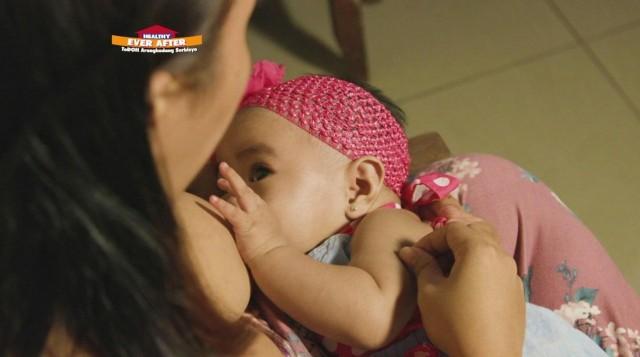
Breastfeeding is good for mommies, too.
Breastfeeding also does wonders for mothers’s overall health. It can decrease postpartum bleeding and uterine bleeding. It can help mothers lose the extra weight they’ve gained during the course of their pregnancy. Those who breastfeed exclusively for at least six months decreases the risk of breast cancer, ovarian cancer, postpartum depression, and other diseases such as osteoporosis, heart disease, arthritis, and diabetes. It can also be used as a natural form of birth control, called lactational amenorrhea (or LAM), for the first six months after the baby is born.

Breastfeeding deepens the maternal bond.
Nursing brings the mother and child closer together, a bond that can help lessen behavioral problems for both adult and child in the long run. It lowers the risk of depression and eases stress, as breastfeeding releases the body’s calming hormones called oxytocin and prolactin. Mothers who breastfeed may experience a boost in their confidence and self-esteem as well.

Healthy moms make healthy babies.
Nursing mothers must focus on eating healthy to enhance milk production and provide infants all the nutrients they need. Foods that are rich in protein such as eggs, dairy, beans, lean meat and seafood are highly recommended. Moms must also eat a wide variety of fruits, vegetables, and whole grains. For liquids, water is still the best option. Eating diverse foods while breastfeeding changes the flavor of breast milk, which can help introduce different tastes to babies.
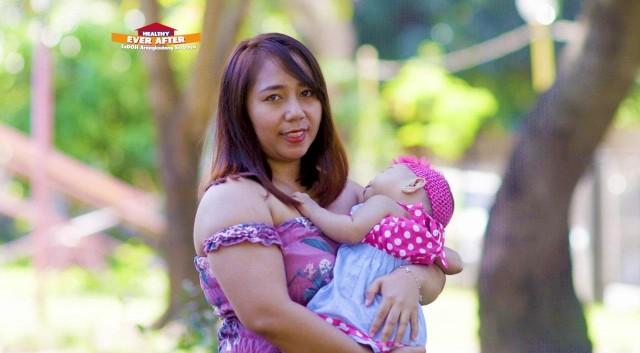
The Department of Health wholly supports breastfeeding for Filipino mothers. As part of its mission to promote proper family health, the DOH partnered with GMA News TV for “Healthy Ever After.” Hosted by Max Collins and Pancho Magno, the real-life couple discusses topics such as family planning, safe motherhood, breastfeeding, infant care, and adolescent health sexuality.
Catch up on all Healthy Ever After episodes on GMA’s YouTube Channel here.

