

 GMA Brandtalk
 Tracking
 Archives

#PINNED: The ultimate guide to skincare for sensitive skin as told by a dermatologist

#Pinned makes it easier for young Filipinos to discover meaningful and enriching content and stories that will help them separate music from the noise, wheat from the chaff, and flowers from the weeds.
All our stories are written by young creatives who made it their life mission to know everything there is to know about how fellow young adults can make the most out of their limited down time every day, every week.
If you are one to binge watch the many variations of get ready or unready with me videos from renowned magazines like Vogue, Harper’s Bazaar, or the no make-up make-up brand staple Glossier, then you are not alone.
There is a deep fascination seeing someone else do their skincare routine. Taking note of all their tips and tricks for glowing skin, and the possibility of picking up a new product or two.

Your skin is one of the first things that people notice about you. It may seem unfair to judge others based on how their skin looks, but the reality is, some people do. Skincare however, does not have to be a pain. It is even one of the most therapeutic activities you can do daily.
Skin may differ for different people and for different reasons. We were fortunate enough to chat with a dermatologist to know more about what skincare routine you can adopt if your skin is sensitive!
Your skin is more than what people see
Dr. Kim Cantos has been a dermatologist for fifteen years, and believes that it is important to understand the underlying conditions people experience with their skin. His passion for dermatology grows even deeper when he connects with his patients, seeing what hinders their confidence and how he can be part of the solution.
If you did not know, your skin is the largest physiological organ in your body, and has a total area of 20 square feet! Its thermoregulation helps our body adjust to the cool and humid climates, and serves as a barrier from infection—protecting your skin from microbes, a type of bacteria that can cause diseases.
Keeping your skin healthy provides these vital functions and protection. Here is how you can do your part, Dr. Cantos said that the best practice would be cleansing your skin regularly with a mild facial soap and applying moisturizer as needed. However, with different skin types come different skincare routines.
Get to know your skin
You can tell your skin type based on the oiliness of your face. It is like a spectrum that goes from dry, oily, combination, or normal. Here are some ways to know what category you fall under:
Dry Skin
- There is noticeable peeling, itching, or even red patching of the skin.
- Close to zero pores.
- Complexion can be a bit on the dull side.
- Tightness and presence of lines on the skin.
Oily Skin
- Enlarged pores.
- Shinier looking skin.
- More acne prone.
Combination Skin
- Some parts of the skin can be dry, some parts oily (T-zone area: nose, forehead, chin), or normal.
- Pores are more visible.
- Presence of blackheads.
Normal Skin
- The skin is not too oily or dry, but just right.
- Little to no imperfections.
- Microscopic pores.
- Always radiant.
Dermatologists have an easier time identifying your needs when you are able to pinpoint what your skin feels on a regular basis.
Take another look, you might be under secret skin type number five
Having sensitive skin is another story. You need to avoid products and activities that can cause redness, itchiness, burning, or dryness.
When examining a patient, Dr. Cantos asks a few questions:
“Can you handle cosmetics?”
“How about skin peeling procedures and lasers?”
“Is your skin okay after exposure to intense sunlight?”
If your answer is no to all three, this is what you need to do. It is not easy being irritated by cosmetics, chemicals, or even exfoliating cleansers that will actually make your skin sting more.
You envy everyone else who can do almost anything to their faces! The main goal for sensitive skin is to prevent irritation. The simpler the routine the better. So, just stick to a few products that you need, Dr. Cantos said. Well, less is more nowadays.
Avoid peeling solutions, harsh whitening agents like hydroquinone, and strong acids like glycolic acid. Another pro tip, do not wash your face more than twice a day to avoid even more dryness.
Fleshing out a routine
If you are unsure about what products to purchase, do not hesitate to take a photo and send it to your dermatologist. This way, you can be told ahead of time if there are ingredients that can easily harm your skin.
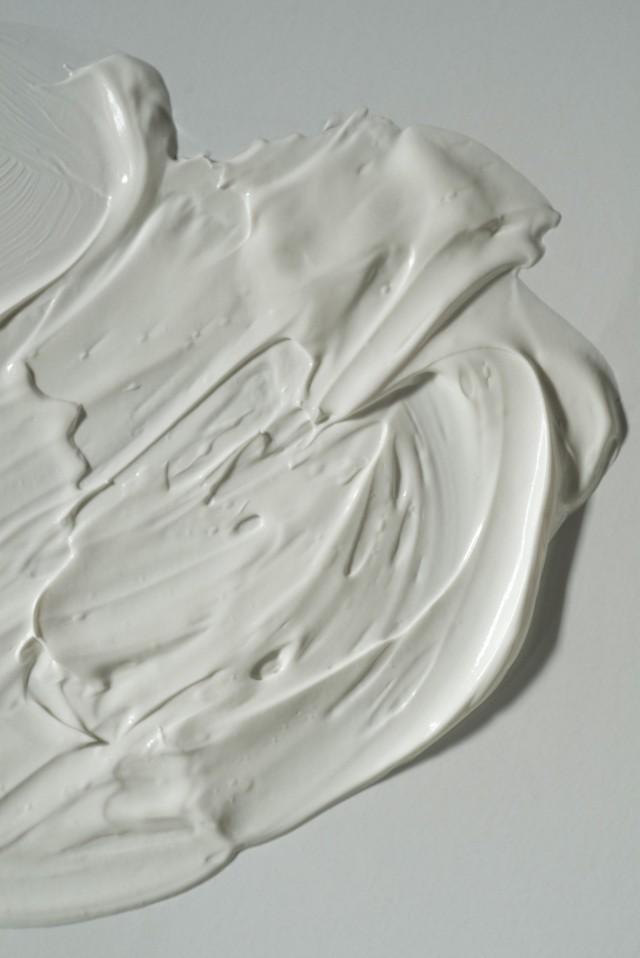
Experimenting with different brands can be risky, because it only takes one misstep to get a reaction that can even take longer to medicate. We know that it is tempting to buy luxurious creams and different serums, but better safe than sorry! Plus, why waste money on something that will not do anything for your skin?
Dr. Cantos would advise those with sensitive skin to follow this simple skincare routine:
- A mild facial cleanser: To get rid of the dirt, grime, and bacteria that has been stirring up your skin all day.
- A good sunblock: To lessen the ultraviolet damage and prevent irritation from intense sunlight. This is also a good way to prevent wrinkles at an early age!
- A hydrating moisturizer: To protect the skin barrier and preserve moisture, so that less irritation can occur.
Given such a basic routine, it does not need to be expensive either! Most of the really effective products are already found and sold in drugstores. Do not forget to ask your dermatologist what products will work best for you.
We hope that this spared you the agony of another impulse buy for your vanity, and to know more on what will benefit your skin in the long run!
---
Aimee Lontok is a writer who got her bachelor of arts degree in journalism. She is passionate about discovering the secret gems of fashion, travel, food, art and culture—with the hope that sharing these stories will provide any reader an escape from reality.

